Choosing shoes for dementia patients starts with the person’s feet, walking ability, and preferences. Look for footwear that fits comfortably, stays securely on the foot, and is manageable to put on and fasten.
Suitable shoes can support everyday mobility, but footwear alone cannot prevent falls. Balance, vision, medications, health conditions, and the home environment may also need attention. The NHS recommends well-fitting shoes or slippers that do not slip off and have good grip as part of a broader approach to reducing falls. nhs.uk
There is no single “best” shoe for everyone living with dementia. A practical choice meets the individual’s needs and feels familiar enough for them to accept.
What to Look for in Shoes for Dementia Patients
A Secure, Adjustable Fastening
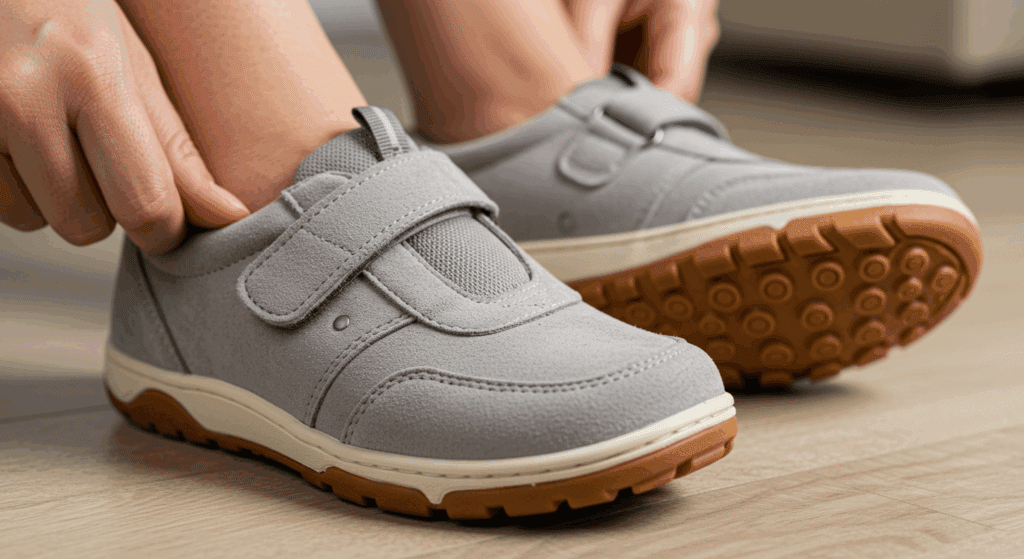
A fastening helps hold the foot in place. Hook-and-loop straps, commonly called Velcro straps, may be easier to manage than laces. Laces can still work when the person or caregiver can fasten them securely.
Check that the closure can be adjusted without making the shoe too tight. Easy to put on should not mean easy to lose while walking. NHS footwear guidance recommends secure, adjustable fastenings such as laces, straps, or buckles. guysandstthomas.nhs.uk
Enough Room Without a Loose Fit
The shoe should fit the foot’s shape without squeezing the toes or letting the heel slide out. Wide-fit footwear may help some people, but extra width is useful only when it matches the foot.
Choose the correct length, width, and depth rather than buying an oversized shoe to create more space. A roomy toe area and a secure heel can help balance comfort with stability. rdash.nhs.uk
A Stable Sole and Low Heel
Look for a low, broad heel and a supportive sole with appropriate grip. Inspect the sole for wear, damage, or a loose edge.
A “slip-resistant” label is one feature to consider, not a promise that a person will never slip. Wet floors and other hazards still need attention.
Comfortable Materials and Seams
Check inside the shoe for rough seams, wrinkles, or hard areas that could rub. Consider the person’s usual socks and whether the upper allows comfortable airflow.
Include their preferences when possible. A familiar style or color may be more acceptable than footwear that feels unusual or overly clinical.
Compare Different Shoe Types
| Shoe type | Potential advantage | What to check | Possible drawback |
| Hook-and-loop walking shoes | Adjustable fastening without tying laces | Heel security, strap reach, and overall fit | A poorly positioned strap may create pressure |
| Lace-up walking shoes | Adjustable fit and secure fastening | Whether someone can tie and check the laces | Untied laces can create a trip hazard |
| Adaptive shoes with a wide opening | Easier access when dressing is difficult | Whether the closure holds the foot securely | A wide opening does not guarantee a suitable walking fit |
| Wide or extra-depth shoes | More room for particular foot shapes or prescribed inserts | Length, width, depth, and heel fit | Shoes that are too large may move on the foot |
| Closed-back slippers with fastening | An indoor option when appropriately fitted | Support, sole condition, and fastening | Soft or worn slippers may provide inadequate support |
| Slip-on shoes | Simple to put on | Whether the heel slips and the foot stays secure | Lack of adjustment may make fit harder to maintain |
Prioritize secure fastening over convenience alone. NHS guidance cautions that shoes without a proper fastening can make people curl their toes to keep the footwear on. guysandstthomas.nhs.uk
A Practical Shoe-Fitting Checklist
Try shoes with the socks and any prescribed inserts the person normally wears. If a brace or orthosis is used, follow the fitting advice provided by the relevant professional.
Check the following:
- Both feet fit comfortably. Do not assume they need identical adjustments.
- The toes have room. They should not feel squeezed against the front or sides.
- The heel stays in place. Watch for lifting or slipping.
- The fastening closes securely. It should hold the shoe without creating pressure.
- The person can manage the weight. Watch for lifting or slipping.
- Movement feels comfortable. If walking is safe, try a short walk with their usual support.
- There are no obvious rubbing areas. Look for redness or discomfort after wearing them.
Use measurements and fitting assistance where available. Brand sizes vary, so the number on the box is only a starting point.
Keep the receipt and check the return policy before buying. An indoor fitting trial may reveal problems that were not apparent in the shop.
Check Fit as Needs Change
Review footwear when you notice:
- New swelling or changes in foot shape.
- Redness, blisters, or rubbing.
- The heel slipping out.
- Worn soles or damaged fastenings.
- A change in walking pattern.
- Repeated shoe removal or reluctance to walk.
Do not wait for a fixed calendar date if something has changed. Foot pain, numbness, swelling, and poorly fitting shoes can affect balance and warrant attention. Oxfordshire Falls

Find Encouragement in the Caregiving Journey
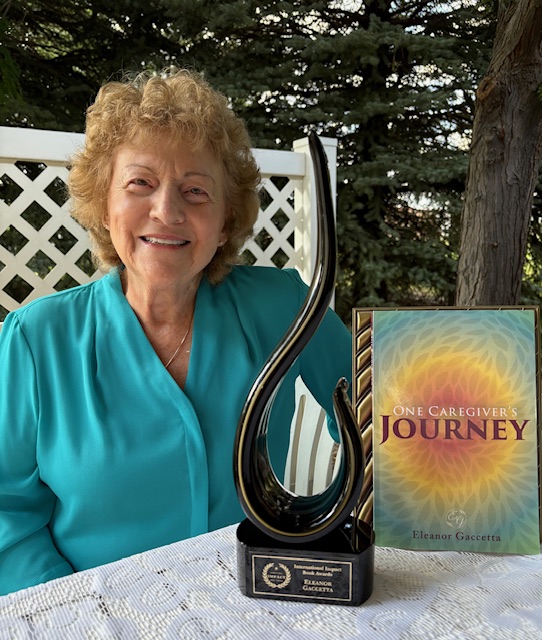
One Caregiver’s Journey
By Eleanor Gaccetta
Genre: Memoir / Family Caregiving
Caring for a loved one can bring moments of joy, exhaustion, and uncertainty. In One Caregiver’s Journey, Eleanor Gaccetta shares heartfelt memories, humor, and practical insights from nine and a half years of caring for her mother. Discover a personal story that reminds caregivers they are not alone.
Find Your Copy on AmazonWhat If Your Loved One Refuses to Wear Shoes?
Start by looking for discomfort rather than assuming the refusal is caused by dementia.
Check whether the shoes are tight, socks are bunched, the fastening is pressing on the foot, or something is inside the shoe. Ask simple questions, such as “Does this hurt?” or offer a choice between two familiar pairs.
Make dressing easier by:
- Choosing a calm time.
- Helping the person sit comfortably.
- Giving one instruction at a time.
- Letting them do the steps they can manage.
- Allowing extra time.
- Explaining what you are doing before helping.
Shoelaces can become difficult for someone with dementia to manage. An easier fastening may support participation, as long as the shoe still fits securely. Alzheimer’s Society
If refusal continues, or the person appears to be in pain, seek a foot or healthcare assessment. Changing shoes may help, but it will not address every possible cause of discomfort.
A predictable dressing routine may also be useful. See our guide to establishing routines for care.
Are Grip Socks or Slippers Enough?
Grip socks should not automatically replace appropriate walking footwear. They do not provide the same fastening, structure, or foot protection as a shoe. Ask the person’s mobility professional what is appropriate for their circumstances.
If slippers are worn, check that they fit, stay on, and have suitable soles. Avoid relying on a loose or worn pair simply because it feels soft. The NHS advises footwear that does not slip off, while Alzheimer’s Society notes that slippers may not provide enough support for extended use. nhs.uk
When to Ask for Professional Advice
A podiatrist can help assess foot problems and footwear needs. A physiotherapist or other mobility professional may help when walking, balance, or the use of mobility equipment has changed.
Arrange an assessment for persistent pain, repeated rubbing, numbness, swelling, or recurring falls. People with diabetes or reduced sensation may need particular care when choosing footwear. Oxfordshire Falls
Seek prompt medical advice for a new wound, signs of infection, or a sudden significant change in walking ability. Don’t treat a medical foot problem by simply buying wider shoes.
Footwear is one part of the plan. Review the places where your loved one walks:
- Clear clutter and trailing cords.
- Remove loose rugs and other trip hazards.
- Keep walking routes well lit.
- Clean up spills promptly.
- Keep commonly used items within easy reach.
- Follow professional advice about walking aids and assistance.
The NHS includes home hazard checks and appropriate footwear among its fall-prevention recommendations. nhs.uk
For broader questions about support at home, read Can Someone With Dementia Live Alone?.
Frequently Asked Questions
What are the best shoes for dementia patients?
There is no universally best brand or model. Look for a comfortable fit, a secure fastening, a stable sole, and shoes suited to the person’s feet and walking needs.
Are Velcro shoes a good option?
They can be practical when tying laces is difficult. Check that the straps are easy to use and hold the foot securely without creating pressure.
Are slip-on shoes suitable?
Convenience alone is not enough. A slip-on that moves at the heel or cannot be adjusted may be unsuitable. Footwear with a secure fastening is generally a better starting point. guysandstthomas.nhs.uk
Should I buy shoes a size larger for swelling?
Do not assume a larger size solves the problem. Length, width, and depth all matter. A professional can assess persistent or new swelling and help identify appropriate footwear.
Can new shoes prevent falls?
They cannot guarantee fall prevention. Suitable footwear belongs within a broader review of mobility, health, and environmental hazards. nhs.uk
Should I add an insole?
An insert changes the space and fit inside a shoe. Follow professional advice when inserts are needed, particularly if the person has foot problems or uses prescribed footwear adaptations.
Start With Fit and Familiarity
Choose shoes for dementia patients by checking the person’s actual needs, involving them in the choice, and observing how the footwear works in everyday use. Review the fit as circumstances change, and seek advice if pain or mobility problems persist.
Eleanor Gaccetta shares the daily realities of family caregiving in One Caregiver’s Journey. Explore the site’s caregiving articles for more practical support.