Why Caregiving Is One of the Most In-Demand Careers Today
You wake up knowing your work will help someone smile, stay safe, and feel valued. That feeling is not rare in caregiving. It is a daily reality.
The world needs more caregivers right now. The global population is aging faster than ever. By 2030, one in six people will be over 60 years old. Many of these individuals need support to live well.
The demand for skilled caregivers keeps rising. Families want their loved ones to stay at home, not in facilities. This shift creates millions of jobs. Governments and private agencies struggle to fill open roles. Caregiving: a great career option (updated guide for 2026) shows you exactly why this path offers safety, purpose, and growth.
Caregiving gives you career stability. Technology changes many jobs, but human connection remains irreplaceable. People will always need a caring hand, a listening ear, and someone who shows up. That someone could be you.
What Does a Caregiver Do? (Role Breakdown in 2026)
A caregiver helps people live their daily lives with dignity. You support seniors, people with disabilities, or those recovering from illness. Your tasks change based on the person’s needs.
Daily Responsibilities of Professional Caregivers
Personal care assistance
You help with bathing, dressing, grooming, and using the toilet. These tasks feel private, so you handle them with respect and gentleness.
Medication reminders
You do not prescribe medicine. You remind clients when to take pills. You watch for side effects. You track whether they followed their doctor’s orders.
Mobility and safety support
You help clients move from bed to chair. You walk with those who feel unsteady. You arrange homes to prevent falls. Small changes like removing rugs save lives.
Emotional companionship
You listen to stories. You play cards or watch movies together. You ease loneliness. Many seniors say this part of caregiving matters most to them.
Types of Caregiving Careers
In-home caregivers
You work inside a client’s own house. You might live there or visit daily. Families hire you directly or through an agency.
Nursing assistants (CNA)
CNAs work in nursing homes and hospitals. You take vital signs, help with medical tasks, and report changes to nurses. This role requires state certification.
Assisted living caregivers
You work in a community setting. Residents have their own apartments. You help with meals, activities, and daily needs. You also build friendships with many people at once.
Hospice and palliative care providers
You support people in their final months or weeks. Your goal is comfort, not cure. This work feels heavy but deeply meaningful. Families remember your kindness forever.
Soft Skills vs Technical Skills
Empathy, patience, communication
Empathy means feeling what your client feels. Patience helps you handle confusion or frustration without anger. Communication lets you talk to families, doctors, and the person you serve.
Basic medical and caregiving skills
You learn to check blood pressure, change bandages, and spot signs of infection. You also master transfers, bathing techniques, and feeding support. These skills keep clients safe.
Why Caregiving Is a Great Career Option in 2026
Caregiving offers more than a paycheck. It offers a life with direction, security, and heart. Let me show you why so many people choose this field.
Job Stability and High Demand
Global caregiver shortage trends
The world needs 10 million new care workers by 2030. The US alone faces a shortage of 3.5 million healthcare workers. Nursing homes close wings due to lack of staff. Families wait months to find help.
Aging population statistics
Every day, 10,000 Americans turn 65. Japan has the world’s oldest population, with 29% over 65. Europe faces similar numbers. More older adults mean more care jobs. This trend will not reverse in our lifetimes.
Meaningful and Purpose-Driven Work
Emotional rewards
You see your client eat a full meal after weeks of refusing food. You watch them laugh at an old joke. You hold their hand during a scary moment. These small victories feel huge.
Real-life impact stories
Maria, a caregiver in Florida, helped Mr. Jones walk again after a stroke. He took 10 steps on his own. His daughter cried with joy. Maria says, “I did not go to medical school. But I helped him get his life back.” Stories like this happen every day in caregiving.
Flexible Work Opportunities
Part-time, full-time, live-in roles
You want to work weekends only? Doable. You prefer overnight shifts? Many families need that. You want to live with a client to save rent? Live-in positions exist.
Freelance and agency work
Agencies provide steady hours and backup support. Freelance work gives you higher pay and more control. You choose your clients and set your schedule. Both options work well.
Career Entry Without a Degree
Low barrier to entry
Many care jobs require no college degree. Employers value your heart and work ethic more than diplomas. You start working and learning at the same time.
Fast certification options
You can become a certified home health aide in four to six weeks. Online courses and weekend classes fit your current job. Many employers reimburse your training costs.
Salary, Benefits, and Career Growth Potential
Money is not the only reason to choose caregiving. But fair pay matters. The good news is that salaries are rising fast due to demand.
Average Caregiver Salary in 2026
Entry-level vs experienced pay
New caregivers earn $15 to $18 per hour in most US states. With two years of experience, you earn $20 to $25 per hour. Specialized roles like dementia care pay $28 to $35 per hour.
Regional variations
California and New York pay $22 to $30 per hour for experienced workers. Rural areas pay less, but cost of living is lower too. Urban centers always need more staff, so wages rise faster there.
Benefits and Perks
Healthcare benefits
Agencies and facilities offer medical, dental, and vision plans. Full-time workers qualify after 60 to 90 days. Some part-time roles also include benefits now.
Flexible schedules
You pick morning, evening, or overnight shifts. You work three 12-hour days or five 8-hour days. You arrange child care around your work hours.
Overtime opportunities
Working over 40 hours per week pays time and a half. Many caregivers earn an extra $500 to $1,000 monthly through overtime. Holidays pay double in many settings.
Career Advancement Paths
CNA to RN pathway
Start as a certified nursing assistant. Take night classes for an LPN license. Bridge to an RN degree in two more years. Your employer may pay tuition. One caregiver started at $16 per hour and became an RN earning $45 per hour five years later.
Specialized caregiver roles
Dementia care specialists earn more. Palliative care experts earn more. Fall prevention coaches earn more. Each specialty adds $5 to $10 per hour to your base rate.
Healthcare management opportunities
Lead caregiver roles pay $50,000 to $65,000 yearly. Facility managers earn $70,000 to $90,000. Directors of nursing services make six figures. You grow without leaving the field you love.
Essential Skills to Succeed as a Caregiver
Skills make you effective. They also make you confident. Here is what you need to master.
Core Soft Skills Employers Look For
Compassion and emotional intelligence
You notice when a client feels sad without them saying a word. You adjust your approach when someone feels scared. You treat every person like family.
Communication and patience
You explain care steps in simple terms. You listen to complaints without getting defensive. You wait calmly when a client moves slowly. Patience prevents frustration for both of you.
Problem-solving mindset
Your client refuses to eat. What do you do? Try a different food. Change the setting. Offer small bites over time. You find solutions instead of giving up.
Technical and Medical Skills
Basic first aid and CPR
You know how to stop bleeding. You can perform CPR on adults and children. You respond to choking, falls, and seizures. These skills save lives before ambulances arrive.
Monitoring vital signs
You take temperature, pulse, respiration, and blood pressure. You record numbers accurately. You spot dangerous changes and alert nurses right away.
Dementia and elderly care basics
You learn why people with dementia wander or become angry. You use redirection instead of arguing. You create calm environments. This knowledge reduces stress for everyone.
Digital Skills in Modern Caregiving
Telehealth tools
You set up video calls between clients and doctors. You help seniors use tablets and phones. You report observations through secure apps.
Care apps and reporting systems
You log meals, moods, and medications in digital charts. You send daily updates to family members. You track changes over time using simple software.
Education, Training, and Certification Requirements
You do not need years of school. But you do need basic training. Here is exactly what to get.
Entry-Level Requirements
High school diploma (optional in some regions)
Most employers prefer a diploma or GED. Some states waive this for home care aides. Check your local rules.
Background checks
You pass a criminal history review. You cannot have violent or abuse-related convictions. This protects vulnerable clients. Most employers pay for the check.
Recommended Certifications
Certified Nursing Assistant (CNA)
This 4-to-12-week program includes classroom and clinical hours. You learn medical tasks like taking vitals and changing catheters. You take a state exam. CNAs earn $4 to $8 more per hour than uncertified aides.
Caregiver training programs
The Red Cross offers caregiver courses. Local community colleges have weekend programs. Online platforms like CareAcademy provide affordable training. These programs teach bathing, transfers, feeding, and safety.
First aid and CPR certification
This takes one day. You renew every two years. Many employers require it on day one. The American Heart Association and Red Cross offer classes nationwide.
Online vs In-Person Training Options
Cost and duration comparison
Online training costs $50 to $300. You finish in two to six weeks. In-person training costs $500 to $1,500. You finish in four to twelve weeks. Online works for basic skills. In-person works for hands-on medical tasks.
Best platforms for learning
CareAcademy, Relias, and ed2go offer excellent online courses. Local Red Cross chapters provide in-person classes. Community colleges offer hybrid options. Choose based on your budget and learning style.
Pros and Cons of a Caregiving Career
Every job has ups and downs. Let me give you an honest look so you can decide wisely.
Advantages
Job security
You will never wonder where your next paycheck comes from. Care work does not get outsourced overseas. It does not get replaced by AI. Your skills stay valuable forever.
Emotional fulfillment
You go home knowing you mattered. You eased someone’s pain. You made a hard day better. That feeling beats any corporate bonus.
Flexible schedules
You work when you want. You take time off when family needs you. You design a life that fits your priorities.

Find Encouragement in the Caregiving Journey
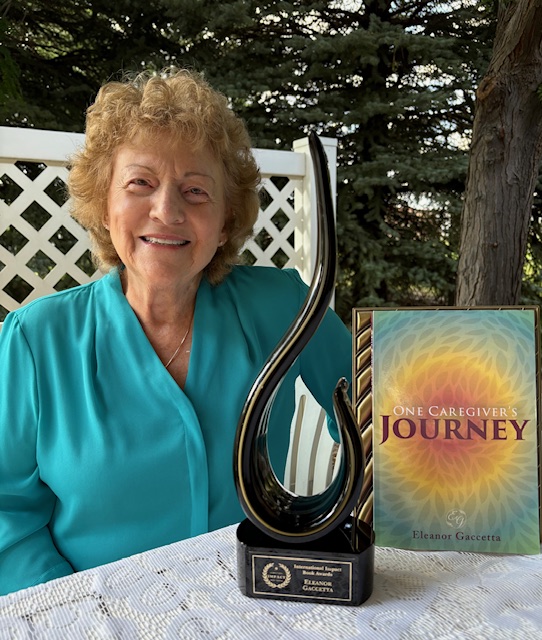
One Caregiver’s Journey
By Eleanor Gaccetta
Genre: Memoir / Family Caregiving
Caring for a loved one can bring moments of joy, exhaustion, and uncertainty. In One Caregiver’s Journey, Eleanor Gaccetta shares heartfelt memories, humor, and practical insights from nine and a half years of caring for her mother. Discover a personal story that reminds caregivers they are not alone.
Find Your Copy on AmazonChallenges
Physical demands
You lift, bend, and stand for hours. Your back may hurt. Your feet may ache. You learn proper body mechanics, but the work stays physical.
Emotional stress
Clients get sicker over time. Some pass away. You grieve while showing up for the next person. This wears on you without good support.
Burnout risks
You give so much that you run empty. You feel tired, irritable, and numb. Your own health suffers. Burnout happens to many caregivers who neglect self-care.
H3: How to Overcome Caregiver Burnout
Self-care strategies
Sleep seven to eight hours nightly. Eat real food, not fast food. Exercise for 20 minutes daily. Take your paid time off. See your own doctor.
Support systems
Join caregiver support groups online or in person. Talk to friends who understand. Hire a therapist. You cannot pour from an empty cup.
Work-life balance tips
Set firm work hour boundaries. Do not answer calls on days off. Trade shifts when you feel tired. Say no to extra hours regularly. Your health comes first.
H2: Technology and Trends Shaping Caregiving in 2026
Technology makes caregiving easier, not harder. Here is what changed.
H3: AI and Smart Monitoring Tools
Remote patient monitoring
Sensors track movement, sleep, and bathroom visits. Families get alerts for falls or wandering. You spend less time watching and more time connecting.
AI caregiver assistants
Voice-activated devices remind clients to take medicine. Smart speakers call you if a client says “help.” AI handles routine checks so you focus on human needs.
H3: Telehealth and Virtual Care
Remote consultations
Doctors video call clients in their homes. You help position the camera. You describe symptoms. Appointments take 15 minutes instead of two hours.
Digital health tracking
Wearable devices monitor heart rate and activity levels. You review data each morning. You spot problems early and call doctors sooner.
H3: Home Automation for Elderly Care
Smart homes
Lights turn on automatically at night. Thermostats adjust to safe temperatures. Locks secure doors without keys. Clients stay independent longer.
Fall detection systems
Wristbands and necklaces sense falls instantly. They call you and emergency services. Response times drop from minutes to seconds. This saves lives daily.
H2: Where to Find Caregiving Jobs in 2026
You trained and you are ready. Now go find work. Here is where to look.
H3: Top Job Platforms and Agencies
Online job boards
Indeed, ZipRecruiter, and SimplyHired list thousands of care jobs. Use filters for “home care aide” or “caregiver no experience.” Set alerts for new postings.
Healthcare staffing agencies
Maxim Healthcare, BrightStar Care, and Interim HealthCare hire constantly. Agencies provide training, liability insurance, and backup staff. You work as an employee, not a contractor.
H3: Local Opportunities and Community Networks
Hospitals and clinics
Hospitals hire patient care technicians and nursing assistants. Clinics need aides for outpatient recovery. Visit HR departments in person with your resume.
Senior care facilities
Nursing homes, assisted living, and memory care units always hire. Walk in and ask for the hiring manager. Many offer same-day interviews.
H3: Freelance and Private Caregiving Opportunities
Direct client hiring
Families post on Care.com and Craigslist. They want private caregivers for lower costs than agencies. You set your rate and hours. Get a simple contract and check references.
Building a personal caregiving brand
Create a Facebook page for your services. Print business cards. Ask happy families for online reviews. Offer referral discounts. Build a list of repeat clients who call you first.
H2: Who Should Consider a Career in Caregiving?
This work fits certain people beautifully. See if you recognize yourself here.
H3: Ideal Personality Traits
Compassion-driven individuals
You feel joy when helping others. You notice when someone struggles. You act without being asked. Kindness comes naturally to you.
Patient and adaptable personalities
You stay calm when plans change. You do not yell when someone spills food. You adjust your approach 10 times per shift. Flexibility keeps you effective.
H3: Career Switchers and Entry-Level Job Seekers
No experience required roles
Retail workers, former teachers, stay-at-home parents, and recent graduates all succeed in caregiving. Your life skills matter more than job history.
Mid-career transition benefits
Older workers bring maturity and reliability. Former managers bring organization skills. Former nurses bring medical knowledge. You gain respect quickly.
H2: Step-by-Step Guide: How to Start a Caregiving Career
Follow these four steps. You will work as a caregiver within two months.
H3: Step 1: Assess Your Interest and Skills
Ask yourself honest questions. Do I like helping people? Can I handle body fluids? Am I physically able to lift 50 pounds? Do I have patience for confusion and repetition? Answer yes to most questions, and you belong in caregiving.
H3: Step 2: Get Basic Training or Certification
Sign up for CPR and first aid this week. Enroll in a four-week CNA program or online caregiver course. Finish within six weeks. Spend under $500 total. Get your certificate in hand.
H3: Step 3: Build a Resume and Apply
List your training, any volunteer work, and personal care experience (raising children, helping grandparents). Write a short summary: “Compassionate aide seeking to support seniors with dignity.” Apply to 10 jobs daily. Follow up by phone after three days.
H3: Step 4: Gain Experience and Specialize
Accept your first job even if pay feels low. Learn for six months. Ask to work with dementia clients or hospice patients. Take employer-paid specialty courses. Raise your rate after one year. Move to better jobs every two years.
H2: Frequently Asked Questions (FAQ)
H3: 1. Is caregiving a good career in 2026?
Yes, caregiving offers excellent job security, rising pay, and deep purpose. Demand grows faster than almost any other field. You can enter without a degree and advance to nursing or management. Caregiving: a great career option (updated guide for 2026) confirms this trend will continue for decades.
H3: 2. How much do caregivers earn annually?
Full-time caregivers earn $31,000 to $45,000 per year at $15 to $22 per hour. Specialized caregivers earn $50,000 to $65,000. CNAs in hospitals earn $40,000 to $55,000. Overtime adds $5,000 to $15,000 more.
H3: 3. Do you need certification to become a caregiver?
Not always. Many states allow uncertified home care aides. But certification raises your pay by $4 to $8 per hour. It also opens more jobs. Get your CNA or home health aide credential within your first year.
H3: 4. What are the biggest challenges caregivers face?
Physical strain, emotional grief, and burnout top the list. You lift heavy people. You watch clients decline and die. You give so much that you neglect yourself. Good training, support groups, and strict boundaries prevent these problems.
H3: 5. Can caregiving lead to a healthcare career?
Absolutely. Many nurses, therapists, and social workers started as caregivers. Your direct patient experience looks great on applications. Employers offer tuition reimbursement. You can advance to LPN, RN, or healthcare management while working.
H3: 6. Is caregiving physically and emotionally demanding?
Yes, honestly. You move bodies, clean up accidents, and face death. But you also build strength, resilience, and deep purpose. Millions of caregivers manage these demands with proper self-care. You can too.
H2: Key Takeaways: Is Caregiving the Right Career for You?
High demand and job security – The aging population guarantees work for decades. You never fear layoffs.
Meaningful and impactful work – You change lives daily. Families remember your kindness forever.
Flexible career paths – Work part-time or full-time. Stay a caregiver or become a nurse. The choice stays yours.
Requires emotional resilience and dedication – This work asks a lot of you. But it gives back even more.
If you want a safe, purposeful, and growing career, caregiving fits. If you want to feel tired but fulfilled every night, caregiving fits. If you want to matter, caregiving fits you perfectly.
H2: Final Thoughts: The Future of Caregiving Careers
The world wakes up to the value of care work. Governments raise pay standards. Families fight for better conditions. Technology eases physical burdens.
Increasing global demand – Every developed country needs more caregivers. Immigration policies shift to welcome foreign aides. You can work anywhere.
Integration of technology – AI handles documentation and monitoring. You focus on human connection. Your job becomes more rewarding, not less.
Growing recognition and professionalization of caregivers – Caregiving transforms from “unskilled labor” to respected profession. Certification standards rise. Pay and benefits follow.
You stand at the start of a career with no ceiling. One year from now, you could hold a certificate and steady clients. Five years from now, you could manage a facility or become a nurse. Ten years from now, you could open your own agency.
The first step is simple. Get trained. Apply. Show up. The rest unfolds naturally.
H2: Related Articles
- Reasons Why Caregiving Is the Perfect Career Choice for You
- The Impact of Family Caregiving
- Caregiving and Time Management: Avoiding Burnout
- How to Become a Certified Caregiver
- Top Skills Every Caregiver Must Master
- The Future of Home Healthcare Careers
Call to Action
Save this guide for your job search journey. Share it with a friend who needs stable, meaningful work. Take the first step today by searching for “caregiver training near me.” Your future clients wait for someone exactly like you. Go find them.