Hospice care is beneficial for patients, and it also provides comfort and assurance for loved ones.
“Hospice” may be a word everyone does not want to hear. That is because it sounds like placing or giving up your responsibility on somebody else. Then again, hospice care can sometimes be the best choice, especially for elderly loved ones, to live the remaining days of their lives. Thus, it would be prime to have an open mind in approaching the possibility of hospice care. After all, it can benefit your aging parent or grandparent and your family.
5 Ways Hospice Care Can Benefit Elderly Patients and Their Families
Aside from providing comfort and reducing pain and suffering, you might wonder: What are the other benefits of hospice care? As mentioned, hospice care is family-centered, which means that family members will remain the principal caregivers for in-home hospice services and have the support of experts who make scheduled and regular visits. Family members are included in all decisions related to their loved ones in a hospice facility.
This team of experts for both in-home and in-facility hospice care includes nurses, a physician, a bereavement specialist, social workers. Facility hospice care is beneficial because it includes aides and volunteers. The goal is to ensure that a senior loved one is pain-free, comfortable, and can keep the highest quality of life. Additionally, they can aid you in making crucial decisions for the patient. That said, below are the five ways hospice care can benefit your aging parents or grandparents and the rest of the family:
#1. Personalized 24-Hour Care. A hospice care facility provides 24/7 care and support to patients and their families. The main focus is to ease the stress and anxiety of the patient and their loved ones. Also, whether the patient is in a hospice facility, long-term care facility, or assisted living, hospice care is available 24/7. This includes weekends and holidays.
#2. Comprehensive Plan. A thorough plan is the key to ensuring patients are comfortable throughout their remaining days. This plan includes keeping family members abreast of the changes in condition. Family members must provide information that directs the facility what must occur once the patient passes away.
#3. Sense of Dignity. Hospice allows a patient to die with dignity. This means not being checked and prodded by healthcare workers every hour or hooked to machines. They also do not have to undergo invasive procedures to prolong their life.
Families can focus on spending time with the patient by placing a loved one in hospice care.
#4. Reduced Financial Burdens. For most families, hospital bills can be overwhelming. However, in hospice care, out-of-pocket costs are reduced.
#5. Enhanced Treatment. As a family, loved ones can only do so much for someone terminally ill. On the other hand, a hospice has a team of experts who can aid in reducing a patient’s suffering and pain. As such, they can allocate the rest of their abiding days in total comfort.
How to Start the Hospice Conversation
Understand the options. Know as much as you can about end-of-life care options, such as both in-home and in-facility hospice, to offer reassurance and answer questions to your aging parents or loved ones.
Start talking early on. Talk to your senior parents about their preferences for end-of-life care, ideally before their health fails.
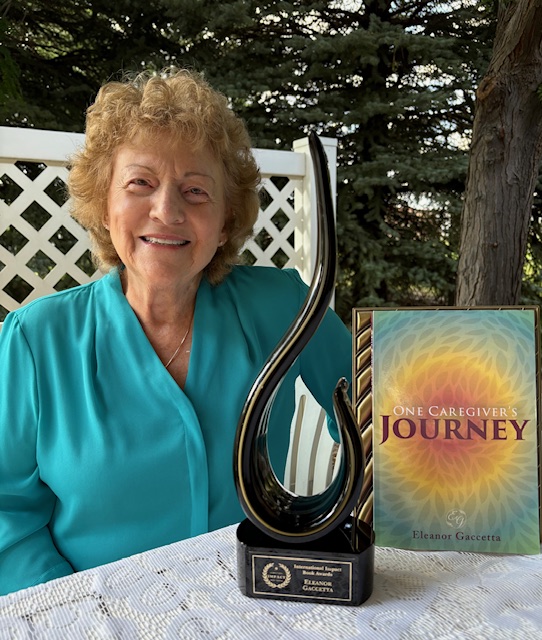
Offer a listening ear. Listen to your aging loved ones’ concerns and empathize with the complex decisions they are facing. You can also read the caregiver book by Eleanor Gaccetta. She shares in detail her experiences choosing the right hospice facility and the right care for her mother. This personal memoir will make you laugh or tug at your heart as the author shares her experiences about providing 24/7 care to her mother for 9 ½ years until her mother’s death at age 102. Reading this book, you will feel as though you are in the author’s living room, and she is telling her story and offering an abundance of advice and information
Ask to attend a doctor’s appointment. The family member who has Medical Power of Attorney should arrange a meeting with their elder loved one’s physician to discuss hospice care and the options.
You Now Decide
Hospice care is not the stage of life for curing an individual’s disease. Rather, it is about ensuring a terminally ill senior family member’s physical, mental, and spiritual well-being. Hospice care is beneficial because it is interdisciplinary and comprehensive. That is because a patient will require specialized end-of-life medical attention, and the family members simultaneously receive aid in processing their emotions during a difficult time.
So when an aging loved one is diagnosed with an end-stage illness and has a poor prognosis, never hesitate to consider hospice care.
Frequently Asked Questions About Hospice Care
1. What is hospice care, and is it the right choice for my loved one?
Hospice care is a specialized, family-centered approach to end-of-life care that focuses on comfort, dignity, and quality of life rather than curing a terminal illness. It is beneficial for patients and families facing a poor prognosis. As the article explains, it involves an interdisciplinary team of experts, including nurses, physicians, social workers, and bereavement specialists, who support both the patient and the family. It is about ensuring a terminally ill senior’s physical, mental, and spiritual well-being, and it can be an excellent choice to ease stress and anxiety during a difficult time.
2. What are the key benefits of choosing hospice care for an elderly family member?
The article highlights five primary benefits:
- Personalized 24/7 Care: Hospice provides round-the-clock support, including weekends and holidays, to ease the stress and anxiety of the patient and loved ones.
- A Comprehensive Plan: A thorough plan keeps the family informed of changes and ensures the patient’s comfort, while also directing care for the end of life.
- A Sense of Dignity: Hospice allows a patient to die with dignity, avoiding invasive procedures and constant prodding, allowing families to focus on spending quality time together.
- Reduced Financial Burdens: Hospice can significantly reduce out-of-pocket costs compared to prolonged hospital stays.
- Enhanced Treatment: A team of experts provides specialized care to reduce pain and suffering, ensuring total comfort.
3. How does hospice care support the patient’s family members?
Hospice care is explicitly family-centered. Family members remain the principal caregivers for in-home services and are included in all decisions related to their loved one. The hospice team supports the family by offering guidance, helping with crucial decisions, and providing assistance in processing their emotions during this challenging time. This interdisciplinary support is a key reason why hospice is seen as beneficial for the entire family unit.
4. When should we start the conversation about hospice care with our senior parents?
The article advises starting the conversation early, ideally before a senior’s health fails. Being proactive allows you to discuss their preferences for end-of-life care calmly. It is also essential to offer a listening ear and empathize with their concerns. You can start by understanding all end-of-life care options yourself to provide reassurance and answer questions. If you have Medical Power of Attorney, arrange a meeting with the family physician to discuss the specifics of hospice care.
5. Does hospice care always take place in a facility, or can it be provided at home?
The article clarifies that hospice care is available in multiple settings. It can be provided in a dedicated hospice facility, a long-term care facility, assisted living, or as in-home hospice services. For in-home care, family members remain the principal caregivers with the support of experts who make scheduled and regular visits. This flexibility allows families to choose the setting that best suits their loved one’s needs and preferences.
6. How can I learn more about making the right hospice care decisions?
Gaining knowledge is the first step. Read as much as you can about end-of-life care options. For a personal and detailed perspective, the article recommends the caregiver book by Eleanor Gaccetta, which shares first-hand experiences in choosing the right hospice care and facility. This personal memoir offers practical advice and insights to help you navigate these complex decisions