


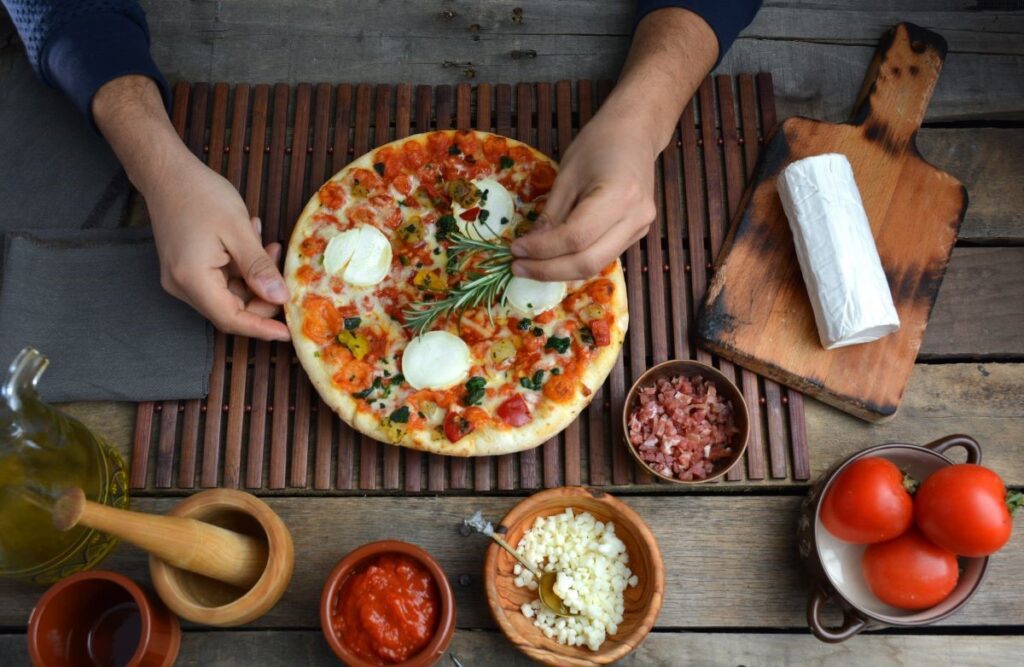
Image Source: Freepik
Ever wondered why your homemade pizza never matches that incredible slice from your Italian vacation? These authentic Italian pizza recipes hold the secrets that separate amateur attempts from restaurant-quality masterpieces, and they’re simpler than you think.
Mastering authentic Italian pizza recipes isn’t about expensive equipment or exotic ingredients. It’s about understanding time-tested techniques that Italian families have passed down for generations. Ready to discover what makes the difference?
1. The 72-Hour Dough Secret That Changes Everything
What really separates a decent pizza from one that makes you close your eyes and sigh with happiness is patience—specifically, with your dough.
Most home cooks are tempted to rush this part, but authentic Italian pizza recipes rely on a slow, three-day cold fermentation process. It might sound like overkill, but this extra time works magic, creating rich, complex flavors and those airy bubbles that give real Italian pizza its irresistible texture.
If you’re learning how to make real Italian pizza at home, consider this waiting time a non-negotiable step. You’ll know the dough is ready when it feels soft and silky in your hands and stretches without tearing; if it still bounces back too much when you poke it, give it a little more time to rest. Trust the process.
2. Regional Styles: Why Naples and Rome Both Got It Right
Forget everything about “one true pizza style.” Italy’s regions each perfected their own authentic approach, and understanding these differences unlocks pizza mastery.
Naples style: Soft, pillowy crust that puffs like a cloud. The center stays tender while edges develop those Instagram-worthy charred spots.
Roman style: Paper-thin and crackling crispy—you can actually hear it across the room. This style lets toppings shine without overwhelming them.
Your takeaway: Start with whichever style excites you most. Passion translates to better results when honoring tradition.
3. The Ingredient Truth That Saves Money and Improves Taste
Here’s the secret food magazines won’t tell you: expensive ingredients can’t fix bad technique, but great technique transforms simple ingredients into magic.
Tomato reality: Your sauce doesn’t need $20 cans of San Marzanos. It needs tomatoes that taste like tomatoes—bright, sweet, and fresh. Crush them by hand (yes, it’s messy, but your fingers detect seeds and tough bits that machines miss).
Mozzarella game-changer: Fresh mozzarella versus pre-shredded is like comparing live music to elevator tunes. The real thing melts differently and creates those heart-stopping cheese pulls.
The adaptation principle: Can’t find buffalo mozzarella? Use the best fresh cheese available. Authenticity adapts to circumstances while maintaining core principles.
4. Your Home Oven Hack That Mimics Wood-Fired Magic
Homemade pizza from scratch begins with accepting your oven’s limitations and working within them brilliantly. Your home oven tops out around 500°F while Neapolitan ovens hit 900°F. Here’s how to bridge that gap.
The upside-down trick: Place your pizza stone on the bottom rack and use the broiler. Suddenly, you’re getting top-down heat that mimics wood-fired ovens.
Why this works: Heat rises, but pizza needs simultaneous heat from above and below. The broiler creates that perfect environment your regular oven can’t achieve alone.
Visual cues: Your crust develops coveted leopard spots, and cheese bubbles actively—signs you’ve achieved authentic temperatures.
5. The Assembly Order That Prevents Soggy Disasters
Even perfect dough fails with poor assembly technique. Italian tradition follows specific sequences that maximize flavor while preventing structural collapse.
Layer 1 – Sauce foundation: Think watercolor painting, not house painting. You want coverage, not flooding. Too much sauce creates soggy centers that ruin everything.
Layer 2 – Cheese placement: Scatter like fresh snow, not pack like a snowball. Cheese needs space to melt properly and create those beautiful brown spots.
The three-ingredient rule: Traditional Italian pizzas use maximum four ingredients. Each should be distinguishable in every bite. Overloading creates muddy flavors where nothing shines.
Reading doneness signs: The crust sounds hollow when tapped, cheese bubbles actively, and beautiful brown spots appear like freckles across the surface. Your kitchen smells like Italy—rich and yeasty with hints of caramelization.
Authentic Italian Pizza Recipes for Home Cooks: Final Thoughts
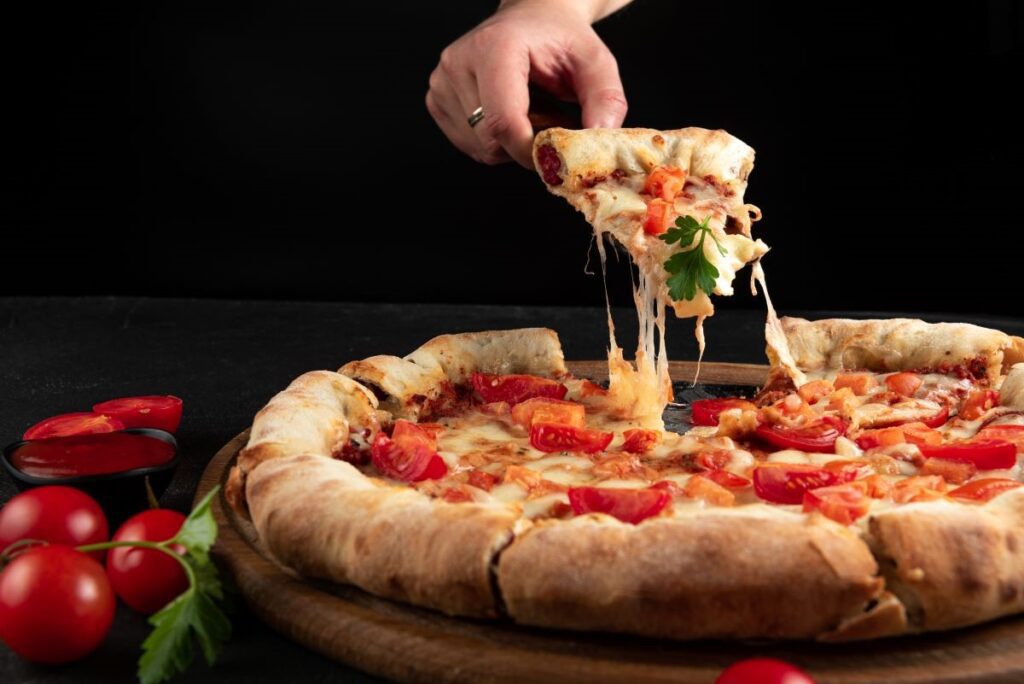
These authentic Italian pizza recipes are living traditions that adapt while maintaining their soul. Each pizza teaches something crucial about your unique cooking environment. Keep notes about what works: “Dough perfect after 72 hours.” “Bottom rack, broiler 2 minutes.”
Your pizza will taste different from any pizzeria’s, and that’s exactly right. It carries your story, your ingredients, your care. When you make pizza at home, you’re continuing a conversation that started centuries ago in Italian kitchens.
Ready to explore beyond pizza?
Eleanor Gaccetta’s “Generations of Good Food” offers nearly 200 Italian family recipes spanning six generations—from authentic pasta dishes and sweet Easter bread to lemon ricotta cookies and Tiger butter fudge.
This valuable gem combines straightforward recipes with heartfelt stories of Italian life that brought families together around the table. Whether you’re a kitchen novice or experienced cook, just glancing through the contents will give you an irresistible urge to cook, bake, and eat your way through generations of Italian tradition.
Grab your copy of Eleanor Gaccetta’s Generations of Good Food today.
And by the way, your first perfect pizza is just five secrets away. Which one will you try first?

4 comments