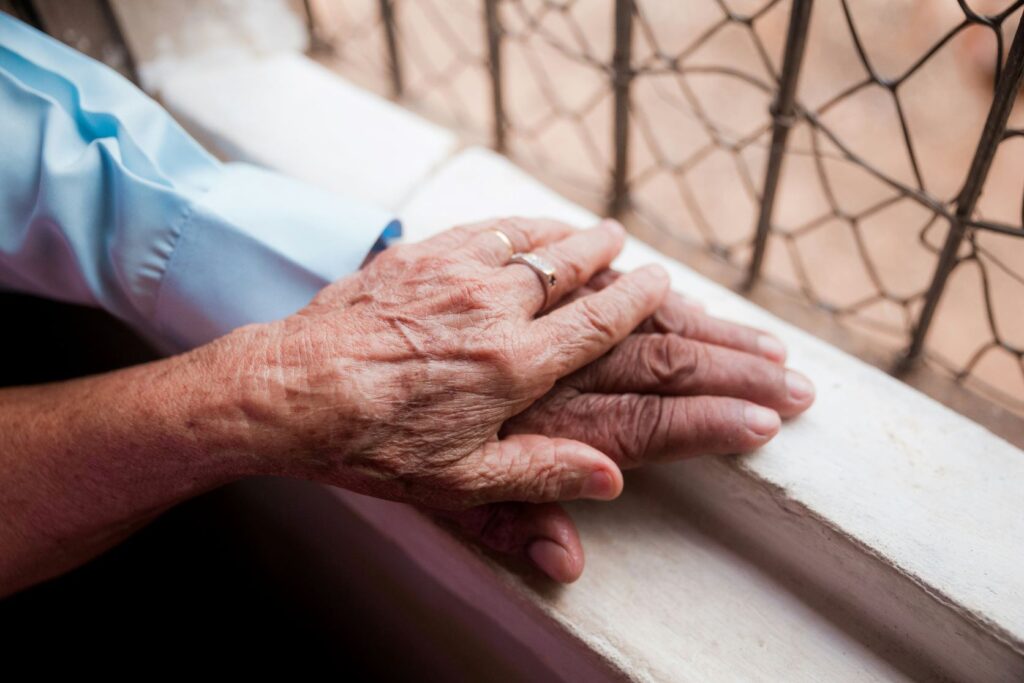
Photo by Sasha Matveeva on Unsplash
As a caregiver, caring already becomes second nature, an instinct you can’t help but practice. However, this doesn’t make the work less challenging. While the endeavor is undoubtedly fulfilling, it can also be exhausting, especially when it becomes a constant responsibility expected of you.
There’s no shame in acknowledging the emotional toll of caring, and while feeling drained is normal in this field, it shouldn’t be neglected. Fortunately, there are many ways to avoid empathy burnout as a caregiver. This includes regulating your schedule and ensuring you aren’t so overloaded with responsibilities that you forget to allot time and effort for yourself.
As a hospice care provider, your primary responsibility is to empathize with and serve your patients. Your job revolves around helping. However, this doesn’t mean that you should forego caring for yourself. Empathy burnout is real, and it often goes unnoticed, coming without warning signs.
What Is the Cause of Caregiver Stress or Burnout?
Being a caregiver, even if it’s within the family, can be draining. Although the service primarily relies on physical exertion, it still weighs on people emotionally and mentally.
Caregiving transforms a person.
It makes them more emotionally aware, not just within themselves but also for their patient. Given its constant nature, requiring the giver to be with their patient almost 24/7, an emotional connection is often unavoidable. Caregivers become more empathetic the more they are around their patients. If they feel joy, caregivers may often experience it, too. If patients are sullen, they may be able to match this, too.
Being empathetic is among the best strengths of caregivers. It makes them do an excellent job caring for their patients, helping them recognize the latter’s needs and desires. However, this alignment of emotions can lead to empathy burnout.
The first step to effectively avoid empathy burnout as a caregiver is to understand what causes it and the warning signs to watch out for.
Some Causes of Empathy Burnout for Caregivers:
- Constantly witnessing and absorbing the patient’s suffering.
- Watching a loved one’s health decline.
- Neglecting one’s own health.
- Insufficient respite care.
- Limited assistance from others.
Some Warning Signs to Look Out for:
- Increased irritability; becoming easily agitated with minor issues.
- Feelings of resentment towards the care recipient.
- Constantly feeling overwhelmed.
- Feeling a sense of helplessness.
- Loss of interest in other outside caregiving activities.
The abovementioned causes and signs are only a fraction of the expanse of such a concept. To avoid empathy burnout as a caregiver, it’s one’s responsibility to educate oneself thoroughly about these. A single article isn’t enough education about this matter, but reading a few is already a powerful first step toward action. Caregivers must recognize the importance of taking extra precautions to avoid such a situation.
How Do You Avoid Empathy Burnout as a Caregiver?
Some of the best ways to avoid empathy burnout as a caregiver are geared toward self-care and mindfulness. Whether it’s a few hours or a single day, caregivers must learn to take some time from their responsibilities and replenish their energy.
Even the best, most sought-after caregivers rest. There are times when the duties of a caregiver, family, or hospice do not allow for rest. But just a few moments of quiet time can replenish energy and the spirit needed for caregiving.
However, with how intense and enduring empathy burnout can be, a single break is beneficial but won’t be sustainable. Instead, here are some other basic practices to avoid empathy burnout as a caregiver. Make sure to read up and take some time to practice them yourself:
Replenish Your Body, Mind, Heart, and Spirit
Caregiving takes its toll on not only one’s body. A negative impact can spread like wildfire, bringing down the individual. Hence, when it comes to healing, caregivers shouldn’t only focus on one. Resting only helps the body and takes a little burden off one’s mind. However, it pays to do some deep digging and recognize how you nourish your mental, emotional, and spiritual well-being on a daily basis.
As hospice care providers, you are the tool for your service. As with every profession, you must ensure your tool is perfectly functional and contributes well to your capacity. You can’t pour from an empty cup. So, to avoid empathy burnout as a caregiver, take some time to fill yours.
Access Emotional and Peer Support
Caregivers provide the care, but who cares for them?
A strong and healthy community does wonders for any health provider out there. Whether it’s emotional support, a shoulder to cry on, or an ear that listens, knowing there’s someone out there who also empathizes with caregivers is already enough to help avoid empathy burnout as a caregiver.
Don’t be ashamed to ask for help or think it’s ironic. Everyone deserves a hand, especially you, who constantly offers yours for others.
Remind Yourself of Your Purpose
As with every endeavor in life, caregiving becomes lighter when you’re connected to its hopes, joys, and rewards. With the hustle and bustle that comes with it daily, it can be easy to lose sight of what matters most. As a caregiver, you may also allow yourself to focus on the negatives, losses, and burdens you’re carrying. While recognizing these is also a step to take to avoid empathy burnout as a caregiver, one shouldn’t focus on these alone.
Discover what gives you joy as a caregiver. Do you find happiness in seeing your recipient do things independently? Do you feel you’re serving your purpose whenever they thank you? These small things may seem trivial but weigh significantly on your emotional well-being.
You Don’t Have to be Uncaring to Avoid Empathy Burnout
As a caregiver, you don’t have to be apathetic to avoid burnout of empathy. Instead, you must practice the contrary. Fill yourself with immense self-compassion and kindness that caring flows out from you. Practice self-care and personal renewal so all other services become naturally occurring. Ultimately, ask, “Am I caring for myself as well? What is the most compassionate thing I can do to myself?”
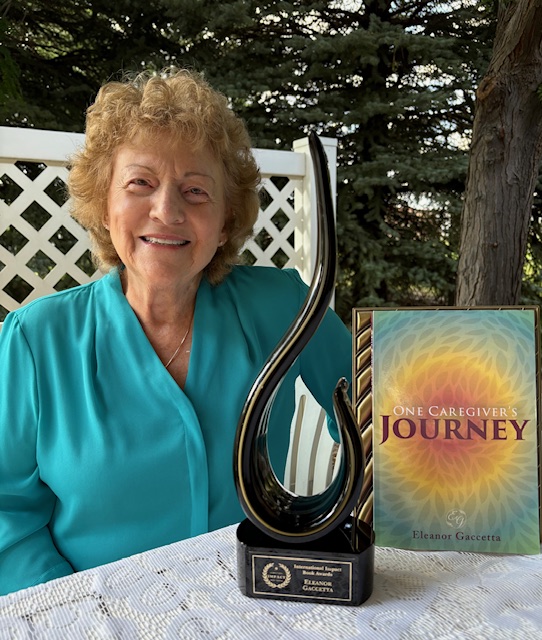
Eleanor Gaccetta, a family caregiver herself, has also experienced the ups and downs of caregiving. Find out how she braved through the service and fostered kindness within herself. Do so by grabbing a copy of her book, One Caregiver’s Journey, on Amazon, Barnes & Noble, or her website, www.onecaregiversjourney.com.
FAQ: Avoid Empathy Burnout as a Caregiver
1. What is empathy burnout in caregiving?
Empathy burnout, also known as compassion fatigue, is a state of emotional and physical exhaustion that occurs when a caregiver constantly absorbs their patient’s suffering. Unlike general job stress, it specifically stems from feeling too much empathy over a long period, leading to a diminished ability to connect with or care for others.
2. What causes empathy burnout for caregivers?
Several factors contribute to empathy burnout, including:
- Constantly witnessing and absorbing the patient’s suffering.
- Watching a loved one’s health decline over time.
- Neglecting your own physical and mental health.
- Having insufficient respite care or limited assistance from others.
3. What are the warning signs of caregiver burnout?
Common warning signs include:
- Increased irritability or becoming easily agitated by minor issues.
- Feelings of resentment toward the care recipient.
- Constantly feeling overwhelmed or helpless.
- Loss of interest in activities outside of caregiving.
4. How can I avoid empathy burnout as a caregiver?
The most effective strategies focus on self-care and mindfulness:
- Replenish your whole self: Rest your body, mind, heart, and spirit, not just your physical energy.
- Access emotional support: Join a caregiver support group or talk to peers who understand your journey.
- Remind yourself of your purpose: Focus on small joys, like a patient’s thank you or a moment of independence.
- Practice self-compassion: Ask yourself, “Am I caring for myself as well as I care for others?”
5. Do I need to become uncaring to avoid empathy burnout?
No, absolutely not. You do not need to become apathetic or uncaring to prevent burnout. In fact, the solution is the opposite: fill yourself with more self-compassion and kindness. When you care for your own emotional needs, caring for others becomes more sustainable and natural.
6. Why is self-care important for hospice and family caregivers?
As a caregiver, you are the primary tool for your service. Just like any professional tool, you need maintenance to function properly. You cannot pour from an empty cup. Taking time to replenish your energy allows you to provide better, more compassionate care without sacrificing your own well-being.
7. Where can I find more resources about caregiver empathy burnout?
For a deeper personal story on navigating the ups and downs of caregiving, read Eleanor Gaccetta’s book, One Caregiver’s Journey.