Taking care of another person is one of the most important jobs in the world. Whether you are helping a parent, a child, or a client, being a caregiver requires a special mix of heart and skill. If you are wondering if you have what it takes, or if you want to improve your abilities, you are in the right place.
In this complete guide, we will explore the best qualities and skills needed to be a caregiver. We will break down complex ideas into simple terms, look at real-world challenges, and give you the tools you need to succeed. Whether you are new to this field or a seasoned professional, this guide will help you grow.
What Makes a Great Caregiver? (Quick Overview)
Before we dive into the long list of skills, let’s define what we are talking about.
What is a caregiver?
A caregiver is someone who provides help to another person who needs assistance. This could be an elderly person who can no longer cook for themselves, a child with special needs, or someone recovering from surgery. Caregivers can be family members (often called family caregivers) or paid professionals.
Why skills and qualities both matter
There is a common question in the caregiving world: Is it better to have a “natural heart” for the job or to have technical skills? The answer is that you need both.
- Skills are the “how-to.” They are things like knowing how to lift a patient safely or how to give medication.
- Qualities are the “who you are.” They are traits like patience, honesty, and compassion.
If you only have skills but no compassion, the person you care for will feel like a task. If you only have compassion but no skills, you might accidentally hurt yourself or the person you are helping. Great caregivers find a balance between the two.
Natural traits vs. learned skills
Some people are naturally patient. Others have to learn how to be patient through practice. The good news is that almost every skill needed for caregiving can be learned. If you have the desire to help others, you can develop the skills to do it safely and effectively.
Essential Caregiver Skills You Need to Succeed
These are the practical abilities you will use every single day. Think of these as your toolkit.
Effective Communication Skills
Communication is more than just talking. As a caregiver, you are the bridge between the patient, the family, and the doctor.
- Verbal and non-verbal communication: Sometimes the person you care for cannot speak clearly. You need to learn how to read their body language. Are they wincing? Are they tense? Also, your own body language matters. Smiling and making eye contact can make a patient feel safe.
- Listening with intent: Many patients just want to feel heard. Listening with intent means you are not thinking about what you are going to say next. You are fully focused on their words and feelings.
- Communicating with the team: You will need to explain changes in health to family members or report issues to nurses and doctors. Being clear and accurate is vital.
Empathy and Compassion
Empathy is the ability to understand what someone else is feeling. Compassion is the desire to help relieve that feeling.
When you show empathy, you build trust. For example, if a patient is frustrated because they can’t tie their shoes, you don’t just tie it for them and walk away. You acknowledge their frustration. You say, “I know this is hard. Let’s do it together.” This supports the patient’s dignity and shows respect.
Observation and Attention to Detail
Doctors rely on caregivers to be their eyes and ears. You spend more time with the patient than anyone else. You need to notice small changes that could mean big problems.
- Monitoring changes: Is the patient eating less? Are they more confused today than yesterday? Are they bruising easily?
- Reporting early: Catching a urinary tract infection early (by noticing confusion or fever) can prevent a trip to the hospital. Your attention to detail saves lives.
Patience and Emotional Control
This is often the hardest skill to master. Caregiving involves repetitive tasks. You might have to ask the same question ten times a day to a patient with dementia. You might have to clean up the same mess twice in an hour.
- Handling difficult behaviors: Especially in dementia care, patients may become aggressive or suspicious. A skilled caregiver learns not to take it personally.
- Staying calm under pressure: When things go wrong—and they will—you must be the calm one in the room. If you panic, the patient panics.
Physical Strength and Stamina
Caregiving is a physical job. It is not just about being strong; it is about using your body correctly.
- Assisting with mobility: Helping someone walk, get out of bed, or stand up requires proper body mechanics to avoid hurting your back.
- Long working hours: Whether you work an 8-hour shift or care for a family member 24/7, you need endurance. Maintaining your own health is crucial to being able to care for someone else.
Time Management and Organization
You are often managing a schedule that includes medications, doctor’s appointments, meals, and hygiene routines.
- Managing medications: Giving the wrong pill at the wrong time can be dangerous. Organization is a safety skill.
- Balancing responsibilities: You need to know what to do first. If a patient has a cut that is bleeding, that comes before folding laundry. Prioritizing urgent tasks is key.
Problem-Solving and Critical Thinking
Things rarely go exactly according to plan. A good caregiver thinks on their feet.
- Responding to emergencies: Knowing when to call 911 versus when to call the family doctor.
- Adapting to unexpected situations: What if the pharmacy closes early? What if the patient refuses to eat? You need to find creative solutions quickly.
Cultural Awareness and Sensitivity
Every person comes from a different background. What is respectful in one culture might be different in another.
- Respecting traditions: A patient may have specific dietary restrictions based on their faith or specific rituals for bathing.
- Personalized care: By understanding a patient’s background, you can provide care that makes them feel safe and understood.
Best Personal Qualities of a Good Caregiver
While skills can be taught, these are the character traits that define who you are when no one is watching.
Core Personality Traits
- Compassion: This is the driving force. It is the “why” behind the work.
- Reliability: If you say you will be there at 8:00 AM, you are there at 7:55 AM. Patients depend on you.
- Honesty: You must be honest about mistakes, changes in the patient’s health, and your own limitations.
- Respectfulness: Treating the patient with dignity, even when they are at their worst.
- Positive attitude: A positive attitude is contagious. It can lift the mood of a dark room.
Emotional Strength and Resilience
Caregiving can be emotionally heavy. You will see people decline. You will lose patients.
- Coping with stress: You need to know how to step away, take a deep breath, and reset.
- Handling grief: Emotional strength doesn’t mean you don’t cry; it means you can process your feelings and continue to show up for the next person who needs you.
Adaptability and Flexibility
The needs of a patient change over time. Someone who was walking last month might be in a wheelchair today.
- Adjusting to changing needs: You must be willing to change your routine.
- Being open to feedback: If a family member asks you to do something differently, a good caregiver listens and adapts.
Physical and Mental Requirements of Caregivers
Physical Fitness and Health
To avoid caregiver injuries, you need to prioritize your own health. Stretching, proper nutrition, and using assistive devices (like gait belts) are essential. If you hurt your back, you can’t help anyone.
Mental Wellness and Stability
Caregiver burnout is a real condition. It happens when you give so much of yourself that you have nothing left.
- Managing emotional strain: It is okay to feel sad, frustrated, or tired. The key is recognizing these feelings and asking for help.
- Self-care importance: Remember the airplane rule: put your own oxygen mask on first. You cannot pour from an empty cup.
Must-Have Interpersonal Skills for Caregiving Success
Building Trust with Patients
Trust is the foundation of care. You build trust by showing up on time, listening without judgment, and keeping promises. When a patient trusts you, they are more cooperative and less anxious.
Working with Families and Support Systems
Families are often stressed, scared, and guilty about not being able to do the care themselves. You need to be a source of reassurance. Communicate clearly and involve them in decisions.
Teamwork with Healthcare Professionals
You are part of a team. Whether it is a physical therapist, a nurse, or a social worker, you need to work together. Share your observations clearly and follow the care plan.
Specialized Skills for Different Types of Caregiving
Not all caregiving is the same. Depending on who you care for, you may need extra skills.
Elderly Care Skills
- Dementia and Alzheimer’s care basics: This involves learning how to redirect behavior, creating safe environments, and understanding that logic often doesn’t work. You learn to enter their world rather than forcing them into yours.
Child Caregiving Skills
- Safety and developmental support: Keeping a child safe is the top priority, but you also need to engage them in age-appropriate activities that help them grow mentally and emotionally.
Disability Care Skills
- Mobility assistance: Using wheelchairs, walkers, and lifts safely.
- Emotional support strategies: Many individuals with disabilities face social isolation. Being a friend as well as a helper is important.
How to Develop and Improve Caregiver Skills
If you feel like you are missing some of these skills, don’t worry. You can learn them.
Training and Certifications
Formal training shows you how to do things the right way.
- Caregiving courses: Many community colleges and organizations offer classes on basic care, hygiene, and safety.
- First aid and CPR: This is non-negotiable. Knowing how to save a life if someone stops breathing or chokes is a requirement for professional caregivers.
On-the-Job Experience
Experience is the best teacher. You will learn more in your first week on the job than in a month of reading books. Every patient teaches you something new.
Continuous Learning and Skill Upgrading
The medical field changes. New tools are invented. Caregiving tips evolve. Attend workshops, watch webinars, and read articles to stay current.
Common Challenges Caregivers Face (and Skills to Overcome Them)
Emotional Burnout
- Skill needed: Self-awareness and boundary setting. Learn to say “no” to extra shifts when you are exhausted.
Time Pressure and Fatigue
- Skill needed: Time management. Break tasks into small chunks and use checklists to stay on track.
Difficult Patient Behavior
- Skill needed: Patience and de-escalation techniques. Learn to recognize triggers that cause agitation and avoid them.
Lack of Support
- Skill needed: Advocacy. You must be willing to speak up for yourself to agencies or family members to get the help you need.
Signs You Have What It Takes to Be a Caregiver
How do you know if this is the right path for you? Here is a self-assessment checklist:
- You feel happy when you help others succeed.
- You stay calm when others are panicking.
- You are okay with doing “unpleasant” tasks (like cleaning) without complaining.
- You are reliable and punctual.
- You can handle criticism and feedback.
- You take care of your own health.
If you checked most of these boxes, you have the foundation of a great caregiver.
Benefits of Developing Strong Caregiver Skills
Investing in your skills pays off in many ways:
- Better patient outcomes: Your patients will be safer, happier, and healthier.
- Career opportunities: Skilled caregivers are in high demand. You can earn higher pay and find better jobs.
- Personal fulfillment: There is a deep sense of purpose in knowing you made someone’s life better.
FAQs About Caregiver Skills and Qualities
What is the most important skill for a caregiver?
While it depends on the situation, patience is often considered the most important. Without patience, every other skill becomes hard to use. Patience allows you to handle repetitive questions, slow movements, and difficult moments with grace.
Can caregiving skills be learned?
Absolutely. While some people have natural empathy, the technical skills—like lifting, feeding, and medication management—can be taught. With practice and training, anyone can become a skilled caregiver.
Do caregivers need formal training?
It depends on where you work. Many families hire caregivers without formal training. However, to work for an agency or to handle complex medical needs, certifications like CNA (Certified Nursing Assistant) or CPR are usually required. Formal training also helps you avoid injury.
How do caregivers avoid burnout?
Caregivers avoid burnout by practicing self-care. This means taking breaks, asking for help, eating well, sleeping, and separating work life from home life. It is not selfish—it is necessary for survival in this field.
Final Thoughts: Becoming a Skilled and Compassionate Caregiver
Becoming a caregiver is a journey. It requires you to be strong, smart, and soft-hearted all at once. The best qualities and skills needed to be a caregiver are a blend of practical know-how and human kindness.
You will have bad days. You will feel tired. But you will also experience moments of deep connection that make it all worth it. The work you do matters. It changes lives.
If you are looking for inspiration and support on this path, we have resources to help you grow.
Continue Your Caregiving Journey
Feeling inspired to learn more about the heart of caregiving? Discover deeper insights and personal stories that will uplift your spirit.
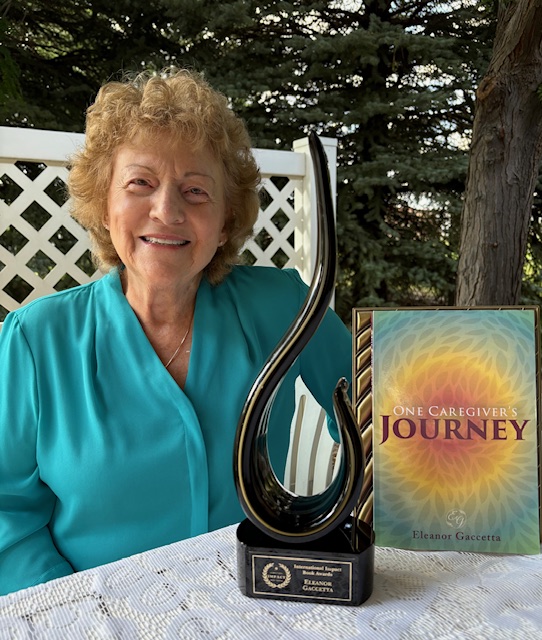
Read “One Caregiver’s Journey” by Eleanor Gaccetta
Thinking about making this your long-term career? Find out why caregiving is a great career option in 2022 and beyond.
Call to Action:
Are you ready to take the next step? Whether you are caring for a loved one or starting a new profession, keep learning and growing. Share this guide with a fellow caregiver who needs a reminder of how important their work is, or leave a comment below to share your own caregiving experience. Together, we can make caregiving a respected and celebrated profession.