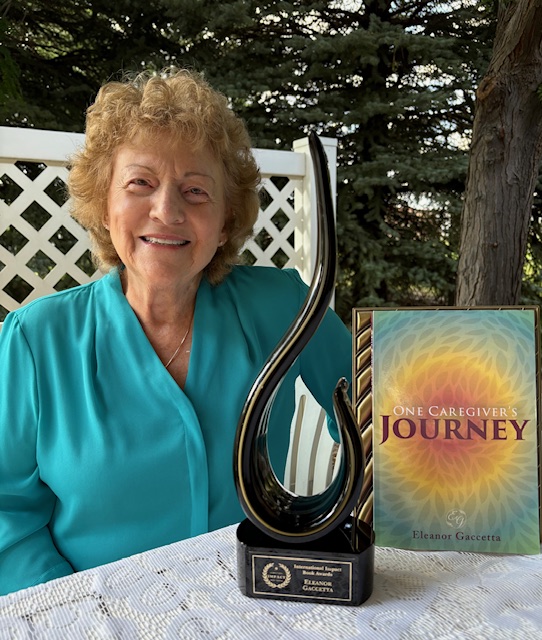
My book, One Caregiver’s Journey, was written over nearly a decade of caring for my mother. It is a journal of the realities of the challenges and changes I encountered during that time as a sole caregiver. In my book I often dissuade the notion that caregivers need to take care of themselves. I suppose this is primarily because I did not have the luxury of social media and was focused on the task at hand. As time went on, I became more aware of the need to ensure I had an outlet to recharge from some very trying times. I found that fatigue and feeling burned out was a way of life. Today caregivers have a non-ending stream of online support to supplement family and friends. If you are a sole caregiver as I was, then finding balance is important.
Today, caregivers have the luxury of social media to offer different ways to provide respite and self-care. I would caution that many caregiving chat rooms are populated with people who don’t have a clue what it is to be a caregiver. Their advice is often contrary to what would ensure both the caregiver and patient remain whole. Case in point is I recently read a post by a young millennial caregiver repeatedly said she was beginning to have feelings of wanting to hurt her mother over her repetitive dementia. The advice from people in the chatroom was for her to seek therapy to cope with her negative feelings and thoughts. In my mind that was not good advice. While that may sound like a good choice, you need to factor in the additional stress of having to find someone to sit with grandma while you lay on the couch crying about your position in life.
When caregivers have thoughts of hurting their loved ones it is time for an honest self-chat whether or not you are cut out to be a caregiver. It is far more noble to say I need help with this job than to try to cope in an untenable situation. For the record I did enter the chat to say it was ok to admit caregiving might not be the best choice for someone like this and I was promptly thrown off the site! Social media offers a significant opportunity to connect with people who are experts in caregiver self-care. There are organizations who can offer respite as well as information to make the journey easier. Here are some good social media sites for caregivers.
- Stories for Caregivers – a safe place to connect. Relationship stories between caregiver and loved ones are safe bets. Friends, family, volunteers, medical professionals are all looking at ways to be involved to provide support to caregivers. Some focus on the process of death and dying, being mindful of the changes we see and respecting the opinions and values of families. You can find videos on You Tube for a variety of caregiving issues. Culture of Caring examines one of the most important questions we all ask. How can we better care for our elders?
- Caregivers Action Network – free support and information. Formerly the National Family Caregiving Association this is a grassroots membership organization for caregivers. The site offers support through education, information, referral services and advocacy. Various options for support and resources by state is provided. They conduct online classes and best practices in caregiving.
- AARP Family Caregiving. This is a comprehensive care guide, basic tools and information and tips for caregiving. There is advice for first time caregivers, those caring for family at home, long distance caregivers and how to avoid common caregiving conflicts. They also have specialized information for caring for persons with dementia, Alzheimer’s and cancer and much more. Lots of information and advice.
- Aging Care. this is a good place to ask questions and receive responses from other caregivers. They can connect families with in-home care, assisted living and caregiver support. Information on Senior Law, Senior Housing, Alzheimer’s Care, Paying for Care, Caregiver Support and Senior Health.
- Think Caregiver. This site provides online support through a social interactive platform that enables and promotes sharing of simple self-care suggestions for and by caregivers. This is a place where caregivers can share their experiences, honor or pay tribute to a caregiver they love.
- FaceBook. There is an unlimited number of groups devoted to caregiving and caregiver support. The majority of caregiver support groups are manned by professional administrators who monitor the group needs and where to seek responses for questions.
- Instagram. Instagram is filled with groups, individuals, experts and caregivers wanting to engage other caregivers. The sites cover all age groups of caregivers with the millennial caregivers taking front stage.
- Blogs. Caregiving blogs have great resources and personal stories. I invite you to peruse and read the blogs on my website, www.onecaregiversjourney.com.
You can find One Caregiver’s Journey on Amazon or visit my website at www.onecaregiver’sjourney.com for a lot more caregiving advice.
FAQ: Using Social Media for Caregiver Support and Self-Care
1. How can social media help caregivers?
Social media offers a “non-ending stream of online support” to supplement help from family and friends. It provides a convenient outlet for respite and self-care, allowing caregivers to connect with others, share experiences, and access valuable information, which is especially crucial for sole caregivers who may struggle to find balance.
2. What are the potential downsides of caregiving chat rooms?
The article warns that not all online spaces are helpful. Some chat rooms may be populated by people who lack real caregiving experience and offer unhelpful advice. For example, the author describes a situation where a young caregiver expressed harmful thoughts and was advised to seek therapy, which the author felt was impractical because it didn’t account for the added stress of finding respite care to attend appointments.
3. What should a caregiver do if they have thoughts of harming their loved one?
The article offers direct, critical advice: have an “honest self-chat” about whether you are cut out to be a caregiver. It is presented as “far more noble” to admit you need help with the job than to try to cope with an untenable situation. This honest self-assessment is seen as a more responsible course of action than attempting to manage the situation alone.
4. What are some recommended social media sites and online resources for caregivers?
The article lists several specific and reputable sites and platforms:
- Stories for Caregivers: A safe place to connect and share relationship stories, with videos on YouTube covering various issues.
- Caregivers Action Network: Offers free support, education, information, referral services, advocacy, and online classes.
- AARP Family Caregiving: Provides a comprehensive care guide, tools, and tips, including advice for first-time, long-distance, and dementia caregivers.
- Aging Care: A place to ask questions, receive responses from other caregivers, and connect with services like in-home care and assisted living.
- Think Caregiver: An online platform for sharing simple self-care suggestions and honoring caregivers.
- Facebook: Hosts numerous caregiver support groups, often monitored by professional administrators.
- Instagram: Filled with groups, experts, and caregivers from all age groups, with millennial caregivers taking a prominent role.
- Blogs: Offer great resources and personal stories. The author recommends perusing the blogs on their own website, www.onecaregiversjourney.com.
5. Why is self-care so important for caregivers?
The article highlights that fatigue and burnout can become “a way of life,” especially for sole caregivers. The author learned firsthand that finding an outlet to recharge is essential to survive the “very trying times.” Social media is presented as one accessible tool to help achieve this necessary balance and maintain both the caregiver’s and patient’s well-being.
6. Where can I find the author’s personal advice and journey?
The author’s book, One Caregiver’s Journey, is a journal written over nearly a decade of caring for her mother. It details the realities, challenges, and changes she faced as a sole caregiver. The book is available on Amazon, and more caregiving advice can be found on the author’s website at www.onecaregiversjourney.com.