Image by rawpixel.com on Freepik
Caregiving often starts with love. You step up for a parent, a spouse, or a child. You want to help. You want to make things better. But somewhere along the way, the weight begins to settle on your shoulders. The days grow long. The worry never stops. You give and give until there is nothing left for yourself.
This hidden mental strain affects millions of caregivers worldwide. Many do not even realize they carry it. They call it stress. They call it exhaustion. But the truth runs deeper.
If you care for someone, this article is for you. You will learn to spot the signs of mental strain. You will understand why it happens. Most importantly, you will find real ways to manage it so you can care for others without losing yourself.
Why Caregiving Is Emotionally Demanding
Caregiving asks more than most jobs ever will. You wake up on call. You go to bed with a list of what you must do tomorrow. The emotional demands often exceed the physical ones.
The reality of caregiving
Most caregivers perform tasks that require constant attention. You manage medications. You handle personal care. You coordinate doctor visits. You become a nurse, a planner, and a companion all at once. These tasks never stop. The person you care for relies on you completely.
Emotional versus physical burden
The physical side of caregiving wears you down. Lifting someone, running errands, and sleeping poorly take a toll. But the emotional side drains you more. You watch someone you love decline. You carry their pain. You make decisions that affect their life and comfort. The weight of these choices stays with you.
Why mental strain is often overlooked
Society celebrates caregivers. People say, “You are amazing” and “I do not know how you do it.” These words feel good, but they also hide the struggle. Caregivers do not complain. They do not want to seem weak. They tell themselves they should handle it. So the mental strain stays hidden, growing quietly until it becomes overwhelming.
What Is Caregiver Mental Strain?
Caregiver mental strain refers to the psychological toll of providing long-term care. It is not one feeling but a mix of stress, sadness, worry, and exhaustion. This strain builds over time and affects how you think, feel, and function.
Definition and Real-Life Context
Mental strain in caregiving means your mind works overtime without rest. You worry about the future. You replay difficult moments. You feel trapped between what you must do and what you wish you could do. For many caregivers, this strain becomes their constant companion.
Real-life examples look different for everyone. A daughter caring for her aging mother may feel strain when she cancels plans again. A husband caring for his wife may feel strain when he lies awake counting the pills for tomorrow. A parent caring for a sick child may feel strain when they realize they have not eaten all day.
Difference Between Stress, Burnout, and Compassion Fatigue
Stress comes and goes. You feel stress when a new problem arises. You solve it, and the stress lifts. Caregiver stress often relates to specific events like a difficult doctor visit or a sleepless night.
Burnout runs deeper. Burnout happens when stress never ends. You feel exhausted, detached, and hopeless. You stop believing your efforts make a difference. Burnout does not lift when the day ends because caregiving has no true end.
Compassion fatigue affects caregivers who pour out empathy without refilling their own emotional reserves. You stop feeling. You go numb to the pain you see every day. This condition often affects those caring for trauma survivors or people with serious illnesses.
Why Many Caregivers Ignore Their Mental Health
Caregivers ignore their mental health for several reasons. First, they put their loved one first. Their own needs become an afterthought. Second, they feel guilty. Taking time for themselves feels selfish when someone else needs them. Third, they do not recognize the signs. They believe exhaustion comes with the job. They do not realize when normal stress becomes serious strain.
Common Signs of Mental Strain in Caregivers
Recognizing the signs of mental strain helps you act before the damage grows. These signs appear in three areas: emotional, mental, and physical.
Emotional Symptoms
Anxiety
Anxiety shows up as constant worry. You think about what could go wrong. You imagine worst-case scenarios. Your heart races when the phone rings. You feel a knot in your stomach that never untangles.
Irritability
Small things set you off. A question feels like an attack. A small mess feels like a disaster. You snap at people you love. Later you feel guilty, but in the moment you cannot control your frustration.
Feeling overwhelmed
You feel like you are drowning. The simplest task feels impossible. You stare at a list of things to do and cannot start. Every new request adds weight you cannot carry.
Mental and Cognitive Symptoms
Brain fog
Your thinking feels cloudy. You forget appointments. You lose your keys. You walk into a room and forget why. Brain fog happens when your mind works too hard for too long.
Poor focus
You cannot concentrate on anything. Reading feels impossible. Conversations fade in and out. Your mind jumps between worries instead of settling on one thing.
Decision fatigue
You make so many decisions each day that your brain stops working. Small choices become huge obstacles. What to eat for dinner feels as hard as a major medical decision.
Physical Warning Signs
Fatigue
Fatigue goes beyond feeling tired. You feel drained even after sleeping. Your body feels heavy. Simple tasks require enormous effort.
Sleep problems
You cannot fall asleep. You wake up at 3 a.m. with your mind racing. Or you sleep too much because you feel exhausted all the time.
Headaches
Frequent headaches signal your body under too much pressure. Tension headaches wrap around your head like a band. Migraines knock you out completely.
Root Causes of Caregiver Mental Strain
Understanding what causes mental strain helps you address the real problem, not just the symptoms.
Long-Term Responsibility and Pressure
Caregiving does not have a clear end date. You do not know when the responsibility will lift. This long-term pressure wears you down slowly. You cannot see the finish line, so you keep running without rest.
Lack of Support Systems
Many caregivers go it alone. Family members live far away. Friends do not understand. You try to handle everything yourself because asking for help feels complicated. Without support, the burden grows heavier every day.
Financial Stress and Work-Life Conflict
Caregiving costs money. You may reduce work hours or leave a job entirely. Medical expenses add up. You worry about bills while also worrying about your loved one. This financial pressure adds another layer of strain.
Work-life conflict creates impossible choices. Do you take another day off work? Do you risk your job to provide care? Do you pay for outside help you cannot afford? These choices haunt you.
Emotional Attachment to the Patient
Caring for someone you love hurts in ways a professional caregiver never experiences. You grieve as you watch their decline. You carry the weight of your shared history. Your love for them makes the pain sharper and the fear deeper.
Cultural Expectations and Family Pressure
In many cultures, including the Philippines, families expect adult children to care for aging parents. This duty is not a choice but an obligation. Saying no brings shame. Asking for help shows weakness. These expectations trap caregivers in roles they cannot escape.
The Hidden Effects of Caregiver Stress on Daily Life
Caregiver stress does not stay contained. It spreads into every part of your life.
Impact on Relationships
Your marriage suffers. You have no energy for your spouse. Date nights disappear. Conversations become about appointments and medications instead of connection.
Your children feel the strain. You miss their events. You snap at them more often. They learn to ask for less because they see how busy you are.
Friends drift away. You cancel plans repeatedly. You stop calling because you have nothing to talk about except caregiving. Eventually the calls stop coming.
Decline in Personal Health
Your health suffers while you care for someone else. You skip meals. You stop exercising. You miss your own doctor appointments. Your blood pressure rises. Your immune system weakens. Many caregivers develop chronic conditions from neglecting themselves.
Reduced Quality of Care Given
The irony hurts. When you neglect yourself, you cannot give good care. Your patience runs thin. You make mistakes with medications. You miss important details. The quality of your care declines because your capacity to give declines.
Risk of Depression and Anxiety Disorders
Caregivers face higher rates of depression and anxiety than the general population. What starts as stress can become clinical depression. What begins as worry can become a full anxiety disorder. These conditions require treatment but often go untreated because caregivers ignore their own symptoms.
Caregiver Burnout Explained
Caregiver burnout represents the most severe form of mental strain. Recognizing burnout early can save your health and your ability to care.
What Caregiver Burnout Feels Like
Burnout feels like emptiness. You go through the motions without feeling anything. You stop caring about things that once mattered. You feel like you have nothing left to give. The person you love becomes another task on your list instead of the reason you started.
Stages of Burnout
Burnout develops in stages. Stage one brings enthusiasm. You pour yourself into caregiving with energy and purpose. Stage two brings stagnation. The routine sets in. Your needs get pushed aside. Stage three brings frustration. You feel angry, helpless, and trapped. Stage four brings apathy. You stop caring. You go through the motions mechanically. Stage five brings full burnout. You cannot function. Your health fails. You cannot provide care.
Early vs Severe Burnout Signs
Early burnout signs include low energy, irritability, and sleep problems. You still feel connected to your loved one, but you struggle with the demands.
Severe burnout signs include complete exhaustion, detachment, and thoughts of harm or escape. You feel nothing for the person you care for. You may think about leaving or wish the situation would end. Severe burnout requires immediate help.
How to Manage the Mental Strain of Caregiving
Managing mental strain requires intentional action. These strategies help you protect your well-being while providing care.
Set Healthy Boundaries Without Guilt
Boundaries protect your energy. Decide what you can and cannot do. Say no to requests that exceed your capacity. Set limits on your time. Decide when your caregiving day ends. Guilt will try to convince you that boundaries mean you do not love enough. The truth is boundaries allow you to keep loving without losing yourself.
Build a Reliable Support System
You cannot do this alone. Identify people who can help. Family members. Neighbors. Friends. Local organizations. Build a list of who does what. One person picks up groceries. Another sits with your loved one for two hours. Another handles insurance calls. A support system spreads the weight so one person does not carry it all.
Practice Daily Self-Care (Simple and Realistic Tips)
Self-care does not require hours at a spa. Small actions matter.
Drink water throughout the day.
Eat one meal without rushing.
Take five minutes to sit outside.
Stretch your shoulders and neck.
Listen to music you enjoy.
Read one page of a book.
Sleep for at least seven hours.
These small acts keep you functional when big acts feel impossible.
Use Time Management Strategies
Structure your day to protect your energy. Group tasks together. Use a calendar for appointments. Set reminders for medications. Create routines that reduce decision-making. When you manage time well, you conserve mental energy for what matters most.
Accept Help and Delegate Tasks
Help only works when you accept it. When someone offers, say yes. Give them a specific task. Do not say “I am fine” when you are drowning. Practice saying “Thank you. I would love help with grocery shopping on Tuesday.”
Seek Professional Help When Needed
Sometimes you need more than family and friends can offer. Therapists help you process emotions. Counselors help you plan. Support groups connect you with people who understand. Seeking help shows strength, not weakness.
Practical Coping Strategies That Actually Work
These practical strategies give you tools to use in hard moments.
The 10-Minute Reset Method
Set a timer for ten minutes. Step away from caregiving. Close your eyes. Breathe deeply. Drink water. Stretch. Do not think about tasks or worries. Use the full ten minutes to reset your nervous system. A short break changes your capacity to handle the rest of the day.
Journaling and Emotional Release
Write down what you feel. Do not edit. Do not judge. Put the frustration, fear, and grief on paper. Journaling releases emotions that otherwise stay trapped inside you. The act of writing gives your mind space to process.
Mindfulness and Breathing Techniques
Mindfulness means paying attention to the present moment without judgment. Focus on your breath. Notice your body. Let thoughts pass without holding them. Even two minutes of mindfulness reduces stress hormones and calms your nervous system.
Taking Breaks Through Respite Care
Respite care provides temporary relief. A family member stays with your loved one. A professional caregiver comes to your home. Your loved one goes to an adult day center. Respite care gives you time to rest, recharge, and remember who you are outside of caregiving.
Support Options for Caregivers
You have more support options than you might realize.
Family and Community Support
Start with your immediate family. Have honest conversations about what you need. Ask for specific help. Community organizations like churches, senior centers, and local nonprofits often offer caregiver support programs.
Online and Local Support Groups
Support groups connect you with others who understand. Online groups operate 24/7. You can post at 2 a.m. when you cannot sleep. Local groups offer in-person connection. Hearing someone else say “I feel that too” reduces the isolation of caregiving.
Government and Health Services
Government programs exist to support caregivers. The Department of Veterans Affairs helps those caring for veterans. Medicaid and Medicare offer some respite services. Local aging agencies provide resources. In the Philippines, the Department of Social Welfare and Development offers programs for caregivers and elderly care.
When to Seek Medical or Professional Help
Some signs mean you need professional help immediately.
Warning Signs You Should Not Ignore
You feel hopeless about the future.
You think about hurting yourself.
You cannot stop crying.
You have thoughts of hurting the person you care for.
You have not slept properly for weeks.
You have stopped eating or eat too much.
You cannot get out of bed.
These signs mean your mental health needs immediate attention.
Types of Professionals Who Can Help
Therapists help you process emotions and develop coping strategies. Look for therapists who specialize in caregiver stress or chronic illness.
Counselors offer practical guidance. They help you plan, set boundaries, and navigate difficult decisions.
Doctors assess your physical health and can prescribe medication if needed. Do not neglect your own medical care.
How to Prevent Caregiver Burnout Before It Starts
Prevention works better than recovery. Build these habits from the beginning.
Build Sustainable Caregiving Routines
Create routines that you can maintain for the long term. Do not run at full speed from day one. Pace yourself. Build rest into your schedule. Set realistic expectations about what you can do.
Maintain Personal Identity Outside Caregiving
Caregiving is what you do, not who you are. Protect parts of your life that belong to you. Hobbies. Friendships. Interests. Time alone. These pieces of your identity keep you whole when caregiving demands everything.
Create a Long-Term Care Plan
Know what comes next. Discuss future care needs openly. Plan for changes in your loved one’s condition. Prepare for how you will handle increased needs. A long-term plan reduces fear about the unknown.
Real-Life Example of Caregiver Mental Strain
Maria cared for her mother with dementia for three years. She started with energy and purpose. She read every article about dementia. She created schedules and systems. She felt proud to provide such good care.
By year two, Maria stopped returning friends’ calls. She ate standing up while she did other tasks. She lost fifteen pounds without trying. She cried in the shower so her mother would not hear.
One morning, Maria could not get out of bed. She stared at the ceiling for an hour. Her mother called for help, but Maria did not move. She had nothing left.
That day, Maria called her sister. They made a new plan. Her sister came two days a week. Maria joined a support group. She started seeing a therapist. She learned that caring for herself allowed her to care for her mother again.
Maria still cares for her mother. But now she also cares for herself. The difference saved her.
FAQs About Caregiver Mental Strain
What is the most common mental health issue among caregivers?
Depression is the most common mental health issue among caregivers. Studies show that 40 to 70 percent of caregivers experience symptoms of depression. Anxiety disorders also occur frequently. Many caregivers develop both conditions together.
How do I know if I am experiencing caregiver burnout?
You may experience caregiver burnout if you feel exhausted all the time, even after rest. You may feel detached from the person you care for. You may lose interest in things you once enjoyed. You may feel hopeless or trapped. If these feelings last for weeks, burnout may be present.
Can caregiver stress lead to serious health problems?
Yes, caregiver stress can lead to serious health problems. Chronic stress increases the risk of heart disease, high blood pressure, and weakened immune function. Caregivers often neglect their own health, leading to missed diagnoses and untreated conditions.
How often should caregivers take breaks?
Caregivers should take breaks daily. A short break of 10 to 15 minutes helps reset your nervous system. Weekly breaks of several hours allow you to rest and recharge. Regular respite care gives you time away from the full responsibility. Breaks are not optional. They are essential to sustaining care.
Is it normal to feel guilt as a caregiver?
Guilt is extremely common among caregivers. You may feel guilty for wanting time away. You may feel guilty for feeling angry or frustrated. You may feel guilty that you cannot do more. These feelings are normal, but they do not mean you are failing. Guilt often signals that you care deeply. Working through guilt with a therapist or support group helps.
Key Takeaways
Caregiving brings deep reward, but it also carries hidden mental strain that many ignore until they break. Recognizing the signs early gives you power to act before the damage becomes severe.
Caregiving is rewarding but mentally draining. The emotional weight often exceeds the physical tasks. Both need attention.
Early signs should not be ignored. Anxiety, irritability, brain fog, and fatigue signal that your mental health needs care. Pay attention to these warnings.
Support and self-care are essential. You cannot pour from an empty cup. Building support systems and practicing self-care protect your ability to give care over the long term.
Prevention works better than recovery. Build sustainable routines, maintain your identity, and create long-term plans before burnout sets in.
Professional help is a strength, not a weakness. Therapists, counselors, and support groups exist to help you. Using these resources shows wisdom, not failure.
Call to Action
Your mental health matters. The care you give matters too. But you cannot give good care if you run on empty.
Take the first step toward better caregiving by taking care of yourself today. Start with one small action. Set a boundary. Ask for help. Take ten minutes to breathe. Call a therapist. Join a support group.
You gave your heart to care for someone else. Now give yourself permission to care for you.
For more resources and guidance, explore these articles to support your caregiving journey:
- Understanding the Alzheimer’s Symbol and Purple Ribbon – Learn about the symbol that represents the fight against Alzheimer’s disease.
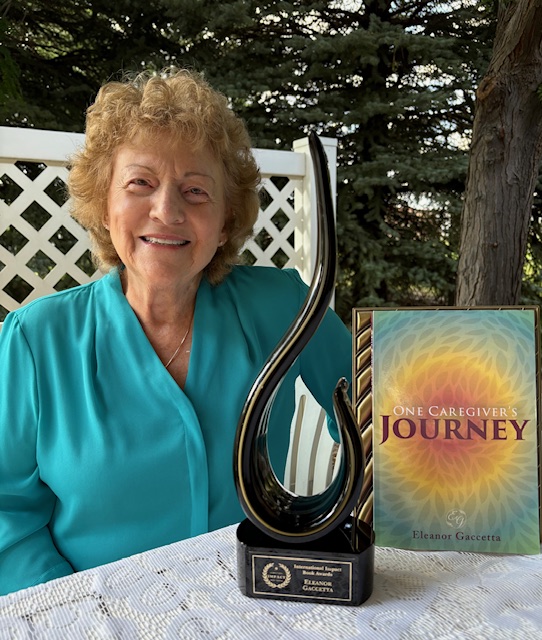
- Book One Caregiver’s Journey by Eleanor Gaccetta – Discover one caregiver’s personal story and the lessons learned along the way.