


Photo by Marcus Aurelius
There’s nothing more rewarding than caregiving, but the physical and emotional demands can also strain their bodies.
Many caregivers develop chronic pain issues, from back and neck strain to headaches and joint pain. Even a hospice care provider needs exercise to manage their chronic pain issues.
While caring for someone else, neglecting their own self-care is easy. However, managing chronic pain is crucial – not just for their physical health but for their mental and emotional state as well. Fortunately, caregivers can do some simple exercises to help alleviate chronic pain.
- Gentle Yoga

Photo by Alena Darmel
Yoga is an excellent way to gently strengthen, stretch, and realign the body. Look for gentle, restorative yoga classes or follow along with online videos designed for beginners and those with physical limitations. Poses like a child’s pose, easy seat, and gentle twists can help relieve back, neck, and hip tension.
2. Tai Chi

Photo by Kevin Olson on Unsplash
The slow, flowing movements of tai chi are both mentally and physically beneficial for chronic pain. This low-impact practice can improve flexibility, balance, and muscle strength while stimulating relaxation and stress reduction. Caregivers can try 10-15 minutes of tai chi into their daily routine.
3. Stretching and Mobility Exercises

Photo by Yan Krukau
Eventually, caregivers will spend a lot of time sitting, standing, or hunching. This can lead to tightness and stiffness, especially in the shoulders, back, and hips. Set aside a few minutes each day to stretch these key areas, using tools like resistance bands or a foam roller if needed.
4. Strengthening Exercises

Photo by Gabin Vallet on Unsplash
Building muscular strength is crucial for supporting the body and reducing strain on joints and connective tissues. Focus on simple bodyweight exercises that target the core, back and leg muscles. Resistance bands are an easy, affordable way to add strength training to their routine.
5. Breathing Techniques
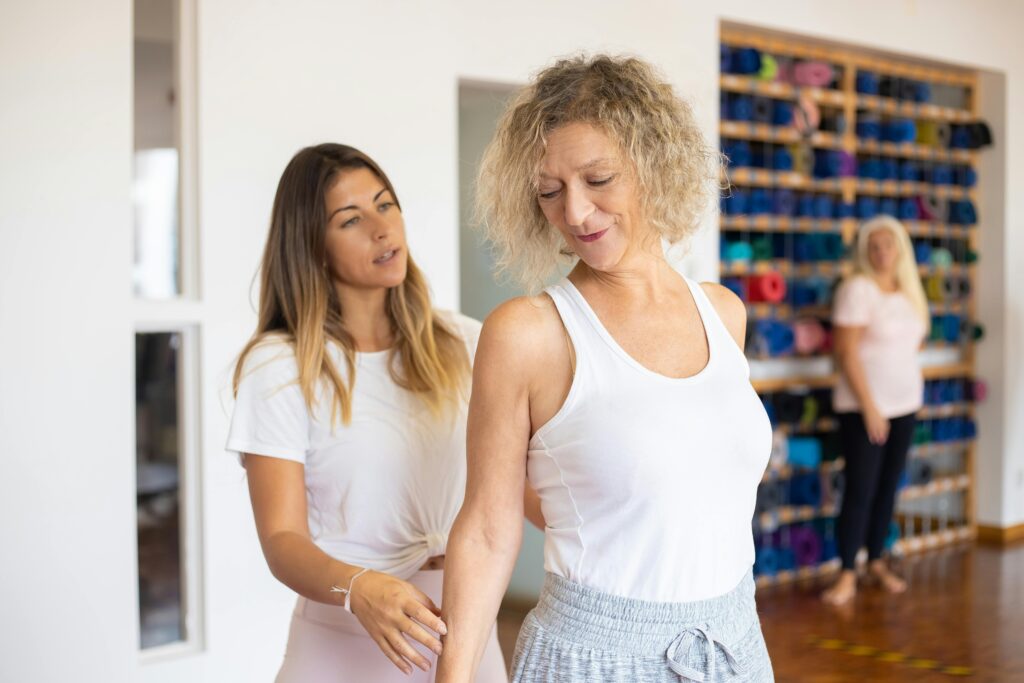
Photo by Kampus Production
The way one breathes can impact the experience of pain. Practicing breath work, such as diaphragmatic or box breathing, can help calm the nervous system, relax muscle tension, and provide a mental reset. You can do these exercises anywhere, anytime you need to recharge.
Benefits of Chronic Pain Management for Caregivers
Caregiving is a labor of love, but the debilitating chronic pain can be a hindrance to their job. Moreover, the back and neck strain can lead to perpetual headaches and joint issues. In fact, most family caregivers experience moderate to severe pain.
The chronic pains they experience also affect their mental and emotional state. And when caregivers are in constant discomfort, it becomes harder for them to provide the high level of care their loved ones deserve. That’s why chronic pain management is so crucial for caregivers. By prioritizing your own health and wellness, you can not only find relief from pain but also maintain the physical and emotional stamina to be the best caregiver possible.
Here are just a few of the key benefits of chronic pain management for caregivers:
Improved Physical Functioning
Targeted exercises, stretches, and movements can help strengthen and realign the body, reducing strain on joints and muscles. This leads to greater mobility, flexibility, and endurance – all essential for the physical demands of caregiving.
Increased Longevity in the Caregiver Role
Caring for a loved one is a marathon, not a sprint. By proactively managing your chronic pain, you can extend your ability to provide hands-on care for as long as possible. This gives your loved one the continuity of care they need and deserve.
Reduced Risk of Burnout
Caregiver burnout is all too common, but effective pain management strategies can help prevent it. When you’re not consumed by discomfort, you’ll have more mental and emotional reserves to devote to your caregiving responsibilities and self-care.
The bottom line is this: One can’t pour from an empty cup. By putting health and well-being first through chronic pain management, caregivers attain the physical, mental, and emotional resources needed to be the best possible caregivers. It’s a gift you give both to yourself and your loved one.
Final Thoughts
Remember, consistency is key to managing chronic pain. It pays to be patient and build these practices into the caregiver’s daily life. Caring for others is noble work, but it shouldn’t come at the expense of their own well-being. These five exercises help caregivers find relief from chronic pain and maintain the physical and emotional stamina to be their best. For more information on managing chronic pain for caregivers, get a copy of One Caregiver’s Journey today. Grab a copy at Amazon, Barnes and Noble, Google Book Store, or at www.onecaregiversjourney.com.
Call to Action
Caring for others begins with caring for yourself. Don’t let chronic pain limit your ability to provide love and comfort. Start incorporating these simple exercises into your daily routine, and notice how even small movements can lead to big improvements in your energy, mobility, and peace of mind.
If you or someone you know is walking the path of caregiving, One Caregiver’s Journey offers heartfelt insights, encouragement, and real-life wisdom to remind you that you’re not alone. Discover how author Eleanor Gaccetta turned her own challenges into lessons of strength and compassion.
Get your copy today visit www.onecaregiversjourney.com for more resources and caregiver support.
Conclusion
Caregiving is both a calling and a commitment—one that requires courage, patience, and balance. Chronic pain may be part of the journey, but it doesn’t have to define it. By taking proactive steps to care for your body and mind, you ensure that you can continue to care deeply for others without losing yourself in the process.
Remember: your well-being matters just as much as the person you care for. With consistent self-care and mindful movement, you can find strength, restore balance, and rediscover joy in every act of giving.
