


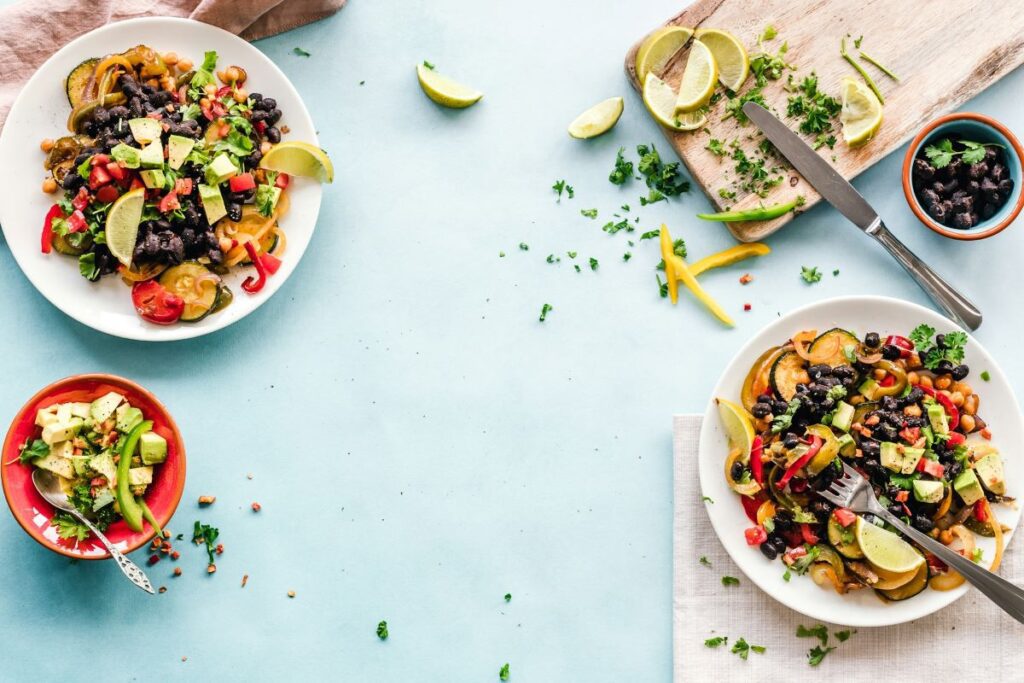
Photo by Ella Olsson on Unsplash
Have you ever wondered what’s for dinner… in 2030? The way we grow, buy, and eat our food is changing faster than ever. It’s not just about new fancy recipes. It’s about solving big problems like feeding a growing world, keeping our planet healthy, and making sure everyone has enough good food to eat.
This article will guide you through the biggest food trends that are shaping our future. We’ll break down the complex ideas into simple, easy-to-understand topics. Get ready to explore a world where food is smarter, kinder to the planet, and more exciting than ever before.
Our Plates Are Changing: Why Is the Food System Shifting?
Before we look at the new trends, let’s understand why change is needed. A few key reasons are pushing us to think differently about food:
- A Growing Population: By 2050, there will be nearly 10 billion people on Earth. We need to find ways to produce more food without using more land and water.
- Climate Change: Farming is a big part of the climate problem, but it can also be a big part of the solution. We need farming that helps the environment, not hurts it.
- Health Concerns: More people are dealing with health issues like diabetes, heart disease, and obesity. We are looking for food that not only tastes good but also makes us feel good.
- Animal Welfare: Many people are becoming more concerned about how animals are treated in the food industry.
The Top Emerging Food Trends Shaping Our Future
Here are the most important trends that are answering these big challenges.
1. Plant-Based Everything: Beyond the Burger
You’ve probably seen plant-based burgers and sausages in your grocery store. This trend is much bigger than just a fad.
- What it is: Food made from plants that looks, tastes, and cooks like animal products. This includes meat, seafood, milk, cheese, and even eggs made from ingredients like peas, soy, beans, and nuts.
- Why it’s popular: People choose plant-based options for their health, to help the environment, and for animal welfare. Producing a plant-based burger uses 90% less land and water and creates 90% fewer greenhouse gas emissions than a beef burger.
- The Future: We will see even more realistic and nutritious plant-based options. The global plant-based food market is expected to reach $162 billion by 2030, up from $29.4 billion in 2020.
2. Upcycled Foods: Fighting Food Waste
Did you know that about one-third of all food produced in the world is thrown away? That’s enough to feed everyone who is hungry. Upcycled foods are here to fix that.
- What it is: Upcycled foods are made from ingredients that would normally be thrown away. For example, flour made from leftover grape skins from winemaking, chips made from fruit pulp left over from juicing, or beer brewed from unsold bread.
- Why it’s popular: It’s a simple and powerful way to fight climate change and waste. When we waste less food, we save all the land, water, and energy that went into producing it.
- The Future: Look for the “Upcycled Certified” label on products. This trend turns trash into treasure, creating new, delicious foods from what we used to throw away.
3. Personalized Nutrition: Food That’s Made for YOU
What if your food could be as unique as your fingerprint? Personalized nutrition is the idea that there is no one-size-fits-all diet.
- What it is: Using technology like DNA tests, gut microbiome tests, and apps to understand exactly what your body needs. Then, you get food and meal plans tailored just for you.
- Why it’s popular: Everyone’s body is different. A food that makes one person feel great might make another feel tired. Personalized nutrition helps you find the perfect foods for your energy, health, and goals.
- The Future: Imagine a 3D food printer in your kitchen that creates a vitamin-packed snack based on what your body needs that day. Or an app that tells you the perfect salad mix for your gut health.
4. Vertical and Urban Farming: Growing Food in the City
How do we grow fresh food for people living in big cities without shipping it from thousands of miles away? The answer might be right inside a city skyscraper.
- What it is: Vertical farms grow crops in stacked layers, often indoors without soil, using LED lights and nutrient-rich water (a method called hydroponics). They can be in old warehouses, shipping containers, or even skyscrapers.
- Why it’s popular: These farms use 95% less water than traditional farms because the water is recycled. They grow food year-round, close to where people live, which means fresher produce and less pollution from transportation.
- The Future: More cities will have their own “foodscapes.” You might buy lettuce for your salad that was grown just a few blocks away, in a building you walk past every day.
5. Alternative Proteins: Bugs, Algae, and Lab-Grown Meat
To feed 10 billion people, we need to think outside the box—or outside the farm. This is where some of the most futuristic foods come in.
- What it is:
- Insects: Crickets, mealworms, and grasshoppers are packed with protein and need very little land, water, or food to grow. You might find them ground into flour for protein bars or pasta.
- Algae and Seaweed: These superplants grow very quickly and absorb carbon dioxide. They are a great source of protein, vitamins, and healthy fats.
- Lab-Grown Meat (Cultivated Meat): This is real meat grown from animal cells in a clean facility, without needing to raise and slaughter an animal.
- Why it’s popular: These proteins are incredibly efficient and sustainable. They offer a way to get the protein we need with a much, much smaller environmental footprint.
- The Future: While these might seem strange now, they could become normal parts of our diet. The cultivated meat market alone is predicted to be worth $20+ billion by 2027.
6. Gut-Health Boosters: Feeding Your Tiny Friends
Your gut is home to trillions of tiny bacteria, and keeping them happy is one of the best things you can do for your health. This is called supporting your “gut microbiome.”
- What it is: Eating foods that help the good bacteria in your gut grow. These are called prebiotics (food for the bacteria, like fiber in bananas, onions, and oats) and probiotics (the good bacteria themselves, found in yogurt, kefir, and fermented foods like kimchi and sauerkraut).
- Why it’s popular: A healthy gut is linked to better digestion, a stronger immune system, improved mood, and even healthier skin.
- The Future: We’ll see more foods and drinks specifically designed to boost gut health, from probiotic sodas to prebiotic granola.
7. Transparency and Regenerative Agriculture: Knowing Your Food’s Story
People want to know where their food comes from and how it was made. They want to support farmers who are healing the planet.
- What it is:
- Transparency: Using QR codes on packaging that you can scan to see the farm where your food was grown.
- Regenerative Agriculture: Farming methods (like no-till farming and planting cover crops) that focus on improving soil health. Healthy soil can store more carbon from the air, which helps fight climate change, and it also grows more nutritious food.
- Why it’s popular: We want to trust our food. Knowing its story and supporting farms that are good for the Earth makes us feel more connected and responsible.
- The Future: “Farm to Table” will become “Farm to Table with a Full Story.” Brands that are open and honest about their practices will win our trust.
FAQs: Your Questions About the Future of Food, Answered
1. Will real meat disappear in the future?
No, it’s very unlikely that real meat will disappear completely. The future is about having more choices. Traditional meat will still be available, but it will share the shelf with high-quality plant-based, lab-grown, and other alternative options. This variety helps take pressure off the environment.
2. Is lab-grown meat safe to eat?
Yes, regulatory agencies like the FDA and USDA have already approved the sale of lab-grown chicken in the US. Because it’s grown in a super-clean, controlled lab, it has a much lower risk of being contaminated with the harmful bacteria sometimes found in traditional meat.
3. Are these new foods actually healthy?
It depends on the product, just like traditional food. A plant-based burger can be a good source of protein, but it might also be high in sodium. The key is to read labels. Overall, trends like eating more plants, reducing waste, and supporting gut health are very healthy directions for our food system.
4. Won’t this new food be too expensive for most people?
At first, new technologies are often expensive. Remember how big and expensive the first cell phones were? As these new foods are produced on a larger scale, the cost will come down, making them affordable for more people.
5. What is the single most important trend for our future?
If we had to pick one, it would be sustainability. Whether it’s plant-based foods, upcycling, vertical farming, or alternative proteins, the common goal is to create a food system that can feed everyone without destroying our planet. It’s all about creating a healthier world for generations to come.
A Bite of the Future
The future of food is not scary or strange. It is hopeful, smart, and delicious. It’s about using our creativity to make food that is better for our bodies and our planet. It’s about giving us more choices, not taking them away.
So, the next time you’re at the grocery store, don’t be afraid to try that plant-based milk or those chips made from upcycled vegetables. You’re not just eating a snack—you’re taking a small, tasty bite out of the future.
About the Author
This article was created by a team passionate about making complex food system topics easy for everyone to understand. Our content is based on current research and data from trusted sources like the World Resources Institute, the Food and Agriculture Organization of the United Nations (FAO), and peer-reviewed scientific journals. Our goal is to provide accurate, helpful, and trustworthy information to help you make informed decisions about the food you eat.
