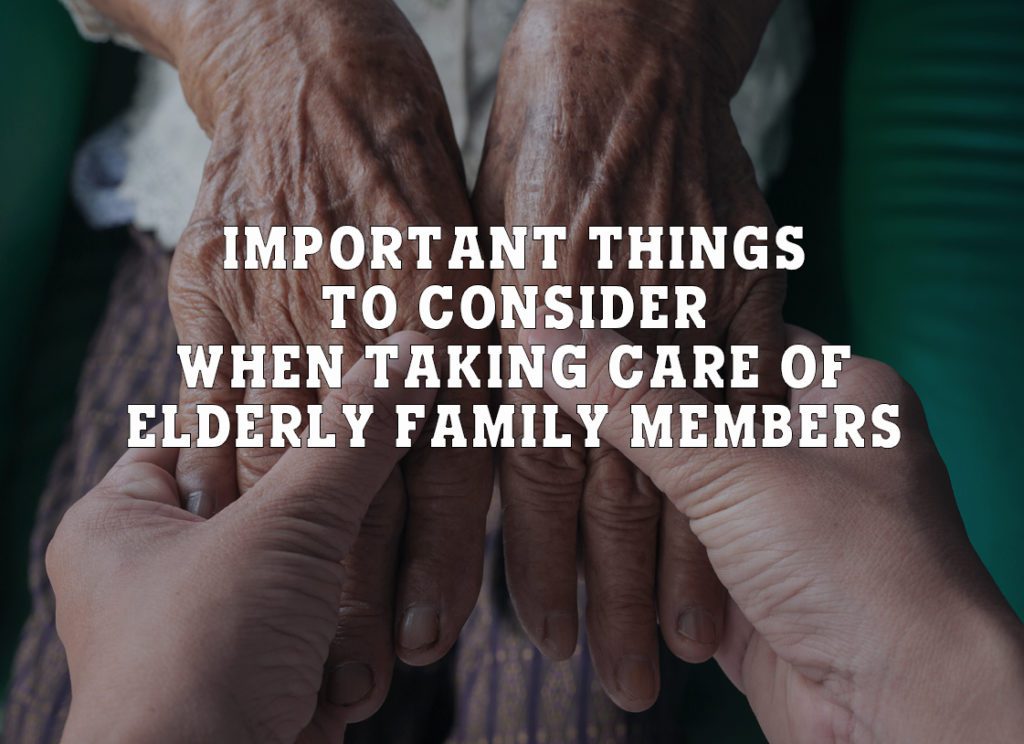
Becoming a caregiver for a loved one with dementia changes everything. You wake up one day to a new reality. The person you love starts to forget small things. Then they forget bigger things. Eventually, they may not recognize you at all.
This journey feels lonely and hard. Many caregivers focus only on the struggle. They lose sleep. They feel stressed. They forget to eat.
But here is the truth. Small changes make a big difference. You do not need a medical degree to provide excellent care. You just need the right roadmap.
This guide gives you that roadmap. You will learn practical daily routines. You will discover communication tricks that work. You will find ways to keep your loved one safe and happy. Most importantly, you will learn how to protect your own health and sanity.
Let us start with the basics.
What Caregivers Should Know About Dementia
How Dementia Affects Behavior and Memory
Dementia is not one disease. It is a group of symptoms. These symptoms affect memory, thinking, and social skills. The damage happens in brain cells. Those cells stop talking to each other.
Memory loss is the most famous symptom. But behavior changes cause the most stress. A person with dementia may:
- Get angry for no clear reason
- Hide objects and forget where they put them
- Repeat the same question twenty times
- Wander away from home
- See things that are not there
These actions are not intentional. The person is not trying to be difficult. Their brain is changing. Understanding this fact reduces your frustration. It also helps you respond with patience instead of anger.
Stages of Dementia and What to Expect
Dementia moves through three main stages. Each stage requires different caregiving tips for dementia patients.
Early Stage
The person still lives independently. They forget names or misplace keys. They may struggle to find the right word. Mood changes start to appear. Your role is support and reminders.
Middle Stage
This stage lasts the longest. It can go on for years. The person needs help with daily tasks. They forget recent events. They may confuse night and day. Behavior problems like wandering and aggression start here.
Late Stage
The person needs full-time care. They lose the ability to speak clearly. They cannot walk or eat without help. Their body starts to shut down. Focus on comfort and dignity at this stage.
Knowing these stages helps you plan ahead. You will know what to expect next. This knowledge reduces fear and uncertainty.
Common Challenges Caregivers Face
Every caregiver faces similar battles. You are not alone in these struggles.
Physical exhaustion tops the list. You wake up multiple times at night. You lift and move your loved one. You forget to rest yourself.
Emotional pain comes next. You watch someone you love disappear. You feel guilty for feeling angry. You grieve a loss that happens slowly over years.
Financial pressure adds more weight. Care costs money. You may cut work hours. You pay for medications, diapers, and special foods.
Social isolation hurts deeply. Friends stop visiting. You cancel plans too many times. The outside world does not understand your daily reality.
These challenges are real. But you can overcome them. The rest of this guide shows you exactly how.
H2: Daily Caregiving Routine (Step-by-Step Framework)
A solid routine reduces confusion for the person with dementia. It also gives you a clear path forward. Here is a framework that works.
H3: Morning Routine Checklist
Start every day the same way. Predictability calms the anxious brain.
□ Wake up at the same time each day
□ Open curtains to let in natural light
□ Speak in a calm, cheerful voice
□ Help them use the bathroom first
□ Assist with washing face and brushing teeth
□ Lay out clothing choices (two options max)
□ Dress them slowly and gently
□ Serve breakfast at the same time
□ Play soft music during the meal
□ Give medications with food
Keep this checklist on the fridge. Follow the same order every morning.
Meal Preparation and Nutrition Planning
Eating becomes hard for dementia patients. They forget to swallow. They refuse food they once loved. They may not feel hunger cues.
Simple nutrition rules:
- Serve small meals five to six times per day
- Use bright-colored plates (easier to see food)
- Cut food into bite-sized pieces
- Remove bones from fish and meat
- Avoid round foods that cause choking (grapes, hot dogs)
Easy meal ideas:
- Scrambled eggs with soft toast
- Yogurt with mashed berries
- Chicken salad on soft bread
- Pureed soups in a cup
- Smoothies with protein powder
Remove distractions during meals. Turn off the TV. Clear the table of clutter. Sit face-to-face and eat with them.
Hygiene and Personal Care Tasks
Bathing often triggers fear and aggression. Water feels scary. The loss of privacy feels threatening.
Make bathing easier:
- Try sponge baths between full showers
- Use a handheld shower head
- Place a non-slip mat in the tub
- Warm the bathroom before starting
- Play calm music during the bath
- Let them hold a washcloth (gives a sense of control)
Toilet help:
- Set a bathroom timer every two hours
- Look for signs like pacing or pulling clothes
- Use disposable underwear at night
- Keep a portable commode in the bedroom
Never argue about hygiene. If they refuse a task, try again in 30 minutes.
Evening and Sleep Routine
Sundowning is real. Many dementia patients get restless and confused as the sun goes down. A strong evening routine prevents this problem.
Start two hours before bed:
- Dim the lights in the house
- Turn off all screens (TV, tablets, phones)
- Serve a light snack (warm milk, half a banana)
- Play quiet, slow music
- Avoid caffeine after 2 PM
- Take a short evening walk
- Do a simple puzzle together
Bedtime routine:
- Use the bathroom right before bed
- Change into soft pajamas
- Read a short story aloud
- Give a gentle back rub
- Leave a nightlight on
Stick to the same bedtime every night. A tired caregiver cannot provide good care.
Communication Strategies That Work
Words stop working the right way in dementia. The person hears sounds but loses the meaning. You need new tools to connect.
How to Talk to Someone With Dementia
Your tone matters more than your words. Speak slowly. Use a low, warm voice. Get face-to-face at their eye level.
Do this:
- Use short, simple sentences
- Ask one question at a time
- Give them extra time to answer
- Smile while you talk
- Use their name often
Avoid this:
- Do not correct wrong memories
- Do not ask “do you remember?”
- Do not use “you” statements (“You need to eat”)
- Do not argue about facts
If they call you by their mother’s name, just answer. Correcting them causes distress. Being flexible keeps the peace.
Managing Confusion and Repetition
The same question every two minutes tests your patience. “When is dinner?” “Where is my mother?” “When is dinner?”
How to respond:
- Answer as if it is the first time
- Use a gentle, consistent answer
- Distract with a different topic
- Write the answer on a whiteboard
- Do not show frustration (they sense it)
For confusion about time, use visual cues. A large clock with day and date helps. A daily schedule board shows what happens next.
De-escalating Agitation and Aggression
Aggression happens when the person feels scared or overwhelmed. They cannot tell you what is wrong. So they act out.
Step-by-step de-escalation:
- Stop talking. Give them space.
- Remove anything that could cause harm.
- Check for physical pain (hungry? need bathroom? too hot?)
- Speak in a whisper (quiet calms the brain)
- Offer a comfort object (blanket, stuffed animal)
- Change the environment (move to a quieter room)
- Try a physical activity (fold towels, squeeze a ball)
Never restrain the person. Never yell back. If aggression becomes dangerous, step away and call for help.
Home Safety and Environment Setup
The home becomes a danger zone for someone with dementia. Normal items turn into hazards. A few changes prevent most accidents.
Room-by-Room Safety Checklist
Kitchen:
□ Install childproof locks on cabinets
□ Remove the knobs from the stove
□ Store knives and scissors in a locked drawer
□ Unplug small appliances when not in use
□ Install a hidden gas shut-off valve
Bathroom:
□ Set water heater to 120°F (prevents burns)
□ Install grab bars by toilet and tub
□ Use a shower chair
□ Remove the bathroom door lock
□ Store medications in a locked box
Bedroom:
□ Place a bed rail to prevent falls
□ Use a floor-level mattress (less fall height)
□ Install motion-sensor night lights
□ Remove throw rugs (tripping hazard)
□ Keep a clear path to the bathroom
Living areas:
□ Cover electrical outlets
□ Secure bookshelves to the wall
□ Remove glass coffee tables
□ Tape down loose carpet edges
□ Add contrast tape to step edges
Preventing Falls and Accidents
Falls send many dementia patients to the hospital. One fall can change everything. Prevention saves lives.
Key fall prevention steps:
- Remove all small rugs
- Install handrails on both sides of stairs
- Add bright tape to step edges
- Keep floors clutter-free
- Fix loose floorboards
- Use non-slip mats in the tub
- Ensure good lighting everywhere
- Put nightlights in hallways and bathrooms
Watch for unsafe behaviors too. Hiding a wallet in the oven causes fires. Putting a metal pan in the microwave sparks danger. You need constant, gentle supervision.
Emergency Preparedness Plan
Dementia patients cannot follow complex emergency plans. You must prepare for them.
Create a dementia emergency kit:
- Medical summary (diagnosis, allergies, medications)
- Two weeks of medication supply
- Extra glasses and hearing aid batteries
- Comfort items (favorite blanket, photos)
- Snacks and bottled water
- Change of clothes and incontinence supplies
- ID bracelet with your contact info
Practice emergency steps:
- Keep a spare key with a neighbor
- Register with the local Alzheimer’s Association Safe Return program
- Tell firefighters and police about your loved one’s condition
- Place a “Medical Alert: Dementia” sticker on doors
Supporting Emotional Well-being
The person with dementia still feels joy, sadness, fear, and love. Their emotions stay intact even when memories fade. You can nurture those feelings.
Keeping Patients Engaged and Active
Boredom makes dementia symptoms worse. An idle brain wanders into fear and confusion. Activity gives the brain a job.
Low-stress activities:
- Fold laundry together
- Sort buttons by color
- Water indoor plants
- Look through old photo albums
- Listen to music from their youth
- Draw simple shapes
- Stack plastic cups
- Dust furniture with a soft cloth
Physical activities:
- Short walks (10 minutes)
- Chair yoga
- Stretching exercises
- Tossing a soft ball
- Dancing to old songs
Match activities to their ability level. Stop when they show frustration. Five minutes of success beats an hour of failure.
Maintaining Relationships and Dignity
Your loved one remains a person with a life story. That story deserves respect. You keep their dignity intact through small actions.
Ways to preserve dignity:
- Close the door during bathroom care
- Knock before entering their room
- Let them make small choices (blue shirt or gray one?)
- Avoid baby talk (use adult language)
- Include them in conversations about them
- Apologize when you lose patience
- Celebrate their past achievements
Invite other family members to visit. Give them simple roles. A grandchild can read a story. A neighbor can push the wheelchair outside. Relationships keep the heart alive.
Activities That Stimulate Memory
Memory stimulation slows decline. It also brings moments of joy and connection.
Effective memory activities:
- Look at wedding photos and name people
- Listen to #1 songs from their 20s
- Cook a recipe from their childhood
- Smell familiar scents (coffee, cinnamon, roses)
- Touch different textures (velvet, sandpaper, fur)
- Watch old TV shows or movies
- Read greeting cards from family
When a memory appears, go with it. Do not test them. Do not say “don’t you remember?” Just enjoy the moment together.
Medical care for dementia requires teamwork. You are the team captain. Learn how to lead effectively.
Working With Doctors and Care Teams
Doctors have little time. You must make every minute count.
Before each appointment:
- Write down three main concerns
- Bring a list of all medications
- Note any behavior changes
- Track sleep and eating patterns
- List three questions you need answered
During the appointment:
- Speak first (before the patient gets confused)
- Ask for written instructions
- Request a follow-up visit before leaving
- Bring someone to take notes
After the appointment:
- Fill prescriptions the same day
- Schedule the next appointment
- Update your care notebook
Understanding Insurance and Costs
Dementia care costs a lot of money. You need to understand your coverage.
Medicare basics:
- Covers doctor visits and hospital stays
- Covers some home health care
- Does NOT cover long-term nursing home care
- Does NOT cover 24-hour home care
Medicaid basics:
- Covers long-term nursing home care
- Covers in-home care in most states
- Requires spending down assets to qualify
- Apply as soon as a nursing home becomes likely
Other funding sources:
- Long-term care insurance (if purchased early)
- Veterans benefits (for former military)
- Reverse mortgage (use home equity)
- State assistance programs
Talk to a financial planner who specializes in elder care. One hour of advice saves thousands of dollars.
When to Seek Professional Help
You cannot do everything alone. Professional help makes life better for everyone.
Signs you need help:
- You cannot lift the person safely
- You have missed three days of work this month
- The person has fallen twice in one week
- You feel angry or resentful all the time
- The person wanders away from home
- You have stopped seeing friends
Types of professional help:
- Home health aide (few hours per week)
- Adult day center (daytime care)
- Respite care (short breaks for you)
- Hospice (end-of-life comfort care)
- Skilled nursing facility (24-hour medical care)
Call your local Area Agency on Aging. They help you find affordable options.
Caregiver Stress Management and Burnout Prevention
You cannot pour from an empty cup. Your health matters as much as the person you love.
Signs of Caregiver Burnout
Burnout creeps up slowly. Watch for these warning signs.
Physical signs:
- You catch every cold that comes around
- Your back hurts constantly
- You have lost or gained 10 pounds
- You cannot fall asleep
- You feel tired after a full night’s rest
Emotional signs:
- You snap at small things
- Nothing feels fun anymore
- You cry for no reason
- You feel nothing at all (numb)
- You wish the person would just die
Behavioral signs:
- You drink more alcohol than before
- You skip your own doctor appointments
- You have stopped calling friends
- You eat fast food every day
Do not ignore these signs. Burnout hurts you and the person you care for.
Daily Self-care System (Not Just Tips)
Self-care is not a bubble bath once a month. Self-care is a daily system.
Morning self-care (10 minutes):
- Drink one full glass of water
- Stretch your neck and shoulders
- Say one kind thing to yourself
Afternoon self-care (15 minutes):
- Eat lunch away from your loved one
- Call or text one friend
- Step outside for fresh air
Evening self-care (20 minutes):
- Write down three good things from today
- Take a hot shower alone
- Read one chapter of a fun book
- Go to bed 30 minutes early
Put these on your calendar. Treat them like medication. They keep you healthy.
Time Management for Caregivers
You have too much to do and too little time. Smart systems save hours.
Use a time tracker.
Write down everything you do for three days. You will find wasted time. A 10-minute social media scroll happens 10 times a day. That is nearly two hours gone.
Batch similar tasks.
Do all phone calls in one hour. Pay all bills on one day. Run all errands in one trip.
Lower your standards.
The house does not need to be perfect. Laundry can sit for a day. Frozen pizza counts as dinner. Good enough is good enough.
Say no often.
You do not have to volunteer at church. You do not have to attend every family gathering. Protect your time fiercely.
Building a Support Network
Isolation destroys caregivers. You need a team around you.
Create your care team:
- One family member who takes over for 2 hours weekly
- One neighbor who picks up groceries
- One friend who calls to check on YOU
- One professional (therapist, social worker, nurse)
- One support group (online or in-person)
How to ask for help:
Be specific. “Can you help” gets no response. “Can you sit with Mom Tuesday from 2-4 PM so I can nap” gets a yes.
Start small. Ask for one hour of help. People want to support you. They just do not know how.
Planning for the Future
Hard conversations now prevent chaos later. Do not wait for a crisis.
Legal Planning (Power of Attorney, Advance Directives)
You need legal documents before the person loses mental capacity. After that point, it is too late.
Must-have documents:
- Durable Power of Attorney for Finances: You manage money and pay bills
- Healthcare Power of Attorney: You make medical decisions
- Living Will: States their wishes for end-of-life care
- HIPAA Release: Lets doctors talk to you
Where to get these:
- Elder law attorney (best option)
- Legal aid clinic (low-cost)
- Online legal sites (basic but workable)
Cost ranges from $500 to $3,000. This money saves tens of thousands later.
Financial Planning for Long-Term Care
Most people run out of money before they run out of disease. Plan for the long haul.
Calculate your costs:
- Monthly care costs (medications, supplies, help)
- Lost income from reduced work hours
- Home modifications (grab bars, ramps)
- Future nursing home costs ($6,000-$12,000 monthly)
Protect assets:
- Do not give away money (looks like fraud to Medicaid)
- Do not put everything in your name (tax consequences)
- Talk to an elder law attorney about a Medicaid Asset Protection Trust
Find hidden money:
- Pension survivor benefits
- Veterans Aid and Attendance benefit ($2,000+ monthly)
- Life insurance with accelerated death benefit
Transitioning to Assisted Living or Nursing Care
Moving your loved out of their home feels like betrayal. But sometimes it is the kindest choice.
Signs it is time:
- The person has wandered and gotten lost
- You cannot lift them safely
- The person has lost significant weight
- You have developed your own health problems
- The person needs 24/7 skilled nursing care
For a deeper look at these signs, read our guide on 11 signs it might be time for assisted living.
Making the transition easier:
- Visit the new place several times first
- Bring familiar items (blanket, photos, chair)
- Stay for meals the first week
- Visit often at first, then gradually less
- Give yourself permission to feel relief
You are not abandoning them. You are getting them better care than you can provide alone.
Tools, Resources, and Support Networks
You do not have to figure this out alone. Use these tools.
Best Apps and Tools for Caregivers
Technology solves real problems for dementia caregivers.
Medication management:
- Medisafe (free, sends reminders)
- PillPack (pre-sorted daily packets)
Tracking symptoms:
- CareZone (track behaviors, meds, appointments)
- Memory Keeper (record good moments)
Safety:
- AngelSense (GPS tracker for wandering)
- Smart plugs (turn off appliances remotely)
- Video doorbells (see who is at the door)
For you:
- Calm or Headspace (5-minute guided meditation)
- Tody (household task sharing)
Local and National Support Groups
Other caregivers understand your struggle. Find them.
National groups:
- Alzheimer’s Association (alz.org)
- Family Caregiver Alliance (caregiver.org)
- AARP Caregiving Resource Center
Finding local groups:
- Search “dementia caregiver support [your city]”
- Call your local senior center
- Ask the social worker at your doctor’s office
- Check Meetup.com for caregiver groups
Online communities:
- r/dementia on Reddit
- Alzheimer’s Association online community
- AgingCare.com forums
Go to at least one meeting. You will feel less alone.
Government and Nonprofit Resources
Free help exists. You just have to ask.
Start here:
- Eldercare Locator (800-677-1116): Connects you to local services
- Area Agency on Aging: Free care assessments and resource navigation
- Alzheimer’s Association Helpline (800-272-3900): 24/7 crisis support
Other resources:
- Meals on Wheels (delivered meals)
- Local transit authority (disabled transport)
- Legal Aid (free legal help for low-income)
- Faith-based organizations (volunteer respite care)
Real-Life Caregiving Scenarios
Theory helps. Real examples teach more.
Managing Wandering Behavior
Maria’s husband left the house at 3 AM. He wore only pajamas. The police found him a mile away.
Prevention steps:
- Install door alarms that chime when opened
- Place black mats in front of exits (looks like a hole to dementia)
- Paint the door to match the wall
- Put a “stop” sign on the door
- Lock doors with slide bolts up high
If wandering happens:
- Search within a half-mile radius first
- Check familiar places (old home, church, park)
- Call police immediately (do not wait)
- Keep a recent photo and clothing item for search dogs
Handling Refusal to Eat or Bathe
David stopped eating. He clamped his mouth shut. His daughter felt desperate.
For eating refusal:
- Check for mouth pain (sores, bad teeth)
- Try smoothies through a straw
- Offer a “drinkable” meal (Ensure, smoothie)
- Eat the same food in front of them
- Try again in 20 minutes
For bathing refusal:
- Try a “spa day” (warm towels, soft music)
- Use no-rinse bathing wipes
- Try a sponge bath at the sink
- Let them wear a swimsuit in the tub
- Switch to evening baths (some fear morning)
Coping With Memory Loss Episodes
James asked for his deceased wife every single day. His son felt heartbroken each time.
Do not correct.
“Dad, she passed away five years ago” causes fresh grief every time.
Try this instead:
“She is at the store. She will be back later. Let me make you a sandwich.”
The sandwich distracts. The lie protects. Your job is not to enforce reality. Your job is to reduce suffering.
For more guidance on finding joy in this hard role, explore our article on benefits and rewards of being a caregiver.
Quick Caregiver Checklist (Featured Snippet Target)
Use this checklist every day.
Daily essentials:
□ Wake and sleep at same time
□ Give medications with food
□ Serve 5-6 small meals
□ Offer bathroom every 2 hours
□ Speak in short, simple sentences
□ Follow the same routine order
Safety priorities:
□ Remove throw rugs
□ Lock up dangerous items
□ Set water heater to 120°F
□ Install nightlights everywhere
□ Put ID bracelet on patient
□ Lock exit doors at night
Emotional support:
□ Do one enjoyable activity
□ Give three genuine compliments
□ Play familiar music
□ Look at old photos
□ Validate feelings (not facts)
□ Take 15 minutes for yourself
Frequently Asked Questions
What are the most important caregiver tips for dementia patients?
Create a consistent daily routine. Remove safety hazards from the home. Speak in short, simple sentences. Do not argue or correct false memories. Take regular breaks to prevent burnout. Focus on emotions, not facts.
How do you handle aggressive behavior in dementia?
Stop talking and give space. Check for physical pain or discomfort. Move to a quieter room. Speak in a whisper. Offer a comfort object. Never restrain or yell. Step away if danger continues.
What is a daily routine for someone with dementia?
Wake at the same time each morning. Help with bathroom and dressing. Serve breakfast with medication. Offer activities like folding laundry. Provide small meals every 3-4 hours. Create a calm evening routine. Go to bed at the same time nightly.
How do caregivers avoid burnout?
Take 15 minutes of daily self-care. Accept help from others. Join a support group. Lower your housekeeping standards. Say no to extra commitments. See your own doctor regularly. Use respite care for breaks.
When should a dementia patient move to assisted living?
Move when the person wanders and gets lost. Move when you cannot lift them safely. Move when they lose significant weight. Move when your own health declines. Move when they need 24/7 skilled care.
What are the three stages of dementia?
Early stage: mild memory loss, still independent. Middle stage: needs help with daily tasks, behavior changes appear. Late stage: full-time care required, loses ability to speak and walk.
How do you get a dementia patient to bathe?
Warm the bathroom first. Use a handheld shower head. Try sponge baths between showers. Let them hold a washcloth. Play soft music. Try at a different time of day. Use no-rinse wipes when needed.
Call to Action
You have the tools now. But reading alone does not change anything. Taking action does.
Your next steps:
- Pick one thing from this guide. Just one.
- Do it today. Not tomorrow. Today.
- Share this article with another caregiver. They need these tips too.
- Save this page to your phone bookmarks. You will need it again.
The journey of dementia caregiving is hard. But you are stronger than you know. Every small win matters. Every patient moment counts. Every day you show up is a gift.
You can do this. One step at a time.
For more help, explore these guides:
Save this article. Share it with a friend who needs it. Come back when you feel stuck. We are here for you.


1 comment