Aging does not necessarily mean you will have a slew of medical conditions or poor quality of life, but knowing what is normal for your body as you age and what is not is essential.
Old age is a great time to relax and enjoy one’s life. Age makes you wiser, much more comfortable in your skin, people’s should not matter that much, your kids have left home, and you have the freedom to do everything you want. Being happy and enjoying your life is a significant contributor to healthy aging. Studies showed that happy people were more likely to be robust and fit. Those unhappy were three times as likely to develop issues with physical activities as their physically active counterparts. It further revealed that happy seniors had less trouble getting up, dressing, or taking a shower than unhappy seniors, who were twice as likely to develop heart disease, stroke, diabetes, and cancer.
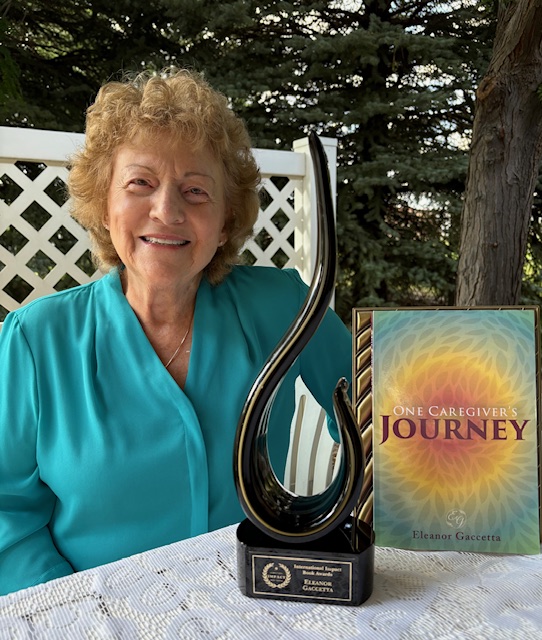
Further, the enjoyment of life and general happiness are relevant determinants of mobility and future disability in seniors. You can check out Eleanor Gaccetta’s One Caregiver’s Journey book. It is a personal memoir that will make you tug at your heart or laugh as Eleanor shares her experiences providing 24/7 care to her mother for nine and a half years until her mother’s death at age 102. The author wrote the book over a long time and is a snapshot of the reality of the stages, changes, and many challenges caregivers face over time. It is a caregiver’s blueprint.
For more ideas on embracing the positives of aging, see Making the Journey to Old Age Wonderful, which offers practical tips to create fulfilling experiences in later life.
Ten Steps To Aging Well (And Feeling Great!)
Ideally, you will have already been practicing healthy habits throughout your life. But even if you have not, it is never too late to start taking proactive steps to maintain and improve your health. Small lifestyle changes can significantly impact you, and adopting even a few habits listed in this article will start you on the right course. This is true, especially when one reaches a point of needing help and support. These tips show how you can make your family caregiver feel less like a chore and more of a meaningful experience for them (in the long run and should you need one) feel less like a chore and more of a meaningful experience for them.
Tip #1. Staying Physically Active For A Healthy Mind and Body. Staying physically active can help offset many of the effects of aging. It has been found that regular exercise can help keep you mobile, improve your balance, improve your mood by lessening feelings of depression and anxiety, and contribute to better cognitive functioning. It is also vital in managing chronic diseases like diabetes, heart disease, high blood pressure, breast and colon cancer, and osteoporosis.
Tip #2. Following A Well-Balanced And Healthy Diet. Whole foods high in fiber and low in saturated fat should be the foundation of your diet to get that needed nutrition. This will also lower your risk of chronic conditions such as heart disease. However, an occasional sinful treat is also necessary!
Tip #3. Do Not Neglect Yourself: Schedule Regular and Annual Physical Checkups. Regular checkups with your doctor (eye doctor, dentist, and specialist healthcare providers) are opportunities to catch and manage problems early before they become significant. Further, take all medications as prescribed by your physician. It may sound like a no-brainer, but it bears repeating that you should always take any medication prescribed to you precisely as directed by your doctor (or doctors).
Tip #4. Getting The Sleep That Your Body Needs. As you get older, you may observe that your sleep schedule shifts. Making you sleepier in the early evening and ready to wake earlier in the morning. This is not unusual nor poses a concern so long as you continue to meet the needed 7 to 8 hours of sleep per night. If you are experiencing acute or chronic insomnia, speak with your doctor, who can help determine what keeps you awake and advise you on possible solutions.
Tip #5. Limiting Alcohol Consumption and Quit or Avoid Smoking. Alcohol consumption must be limited to one drink per day for both women and men. Further, if you are a current smoker, you will want to find a tobacco cessation program to help you quit.
Tip #6. Staying Socially Active With Your Family And Friends. Making an effort to interact with family and friends can have numerous benefits for your health. If you do not have an active social life, look for opportunities to reconnect with old friends or make new ones. Seek out like-minded others in church groups, gyms, volunteer activities, alumni groups, or any other group that corresponds to an interest of yours.
Tip #7. Laugh. A Lot. Laughing decreases the stress hormone cortisol. Research says 20 minutes spent watching funny videos helped improve the memory of seniors. Some studies also show a link between happiness and a lower risk of heart illness. So, laugh as much as possible because laughter is the best medicine.
Summing Up!
Getting older requires changes in all realms of life. This can be from the physical to the mental to the social, emotional, sexual, and more—some of these changes you may consider positive or negative. The challenge is to optimize the good parts of getting older while remaining proactive in maintaining your health and minimizing the negative regard.
FAQ: Making the Journey to Old Age Wonderful
1. What does it mean to “make the journey to old age wonderful”?
Making the journey to old age wonderful means embracing the positive aspects of aging—like increased wisdom, self-acceptance, and freedom—while taking proactive steps to maintain your physical, mental, and social health. It’s about optimizing quality of life rather than just managing decline.
2. Is it too late to start healthy habits if I’m already older?
Absolutely not! It’s never too late to start taking proactive steps to maintain and improve your health. Even small lifestyle changes can significantly impact your wellbeing. Adopting even a few healthy habits will start you on the right course toward better aging.
3. Does aging automatically mean poor health or low quality of life?
No. Aging does not necessarily mean you will have a slew of medical conditions or poor quality of life. However, knowing what is normal for your body as you age and what is not is essential for maintaining wellness.
Health and Wellness Questions
4. Why is physical activity important for seniors?
Staying physically active can help offset many effects of aging by:
- Keeping you mobile and improving balance
- Enhancing mood and lessening depression and anxiety
- Contributing to better cognitive functioning
- Managing chronic diseases like diabetes, heart disease, and osteoporosis
5. What kind of diet should seniors follow?
A well-balanced diet with whole foods high in fiber and low in saturated fat should be the foundation of your nutrition. This helps lower your risk of chronic conditions such as heart disease. However, occasional treats are also important for enjoyment!
6. How much sleep do older adults need?
Older adults should aim for 7 to 8 hours of sleep per night. You may notice your sleep schedule shifts—feeling sleepier earlier in the evening and waking earlier in the morning—which is normal as long as you’re getting adequate rest.
7. How much alcohol is safe for seniors?
Alcohol consumption should be limited to one drink per day for both women and men. If you currently smoke, it’s important to find a tobacco cessation program to help you quit.
8. Why are regular checkups important for seniors?
Regular checkups with your doctor, eye doctor, dentist, and specialists are opportunities to catch and manage problems early before they become significant. Always take medications exactly as prescribed by your physician.
Social and Emotional Wellbeing
9. How does happiness affect physical health in old age?
Studies show that happy people are more likely to be robust and fit. Unhappy seniors are:
- Three times as likely to develop issues with physical activities
- Twice as likely to develop heart disease, stroke, diabetes, and cancer
- More likely to have trouble getting up, dressing, or showering
Staying socially active with family and friends has numerous health benefits. If you don’t have an active social life, look for opportunities to reconnect or make new friends through church groups, gyms, volunteer activities, alumni groups, or other interest-based organizations.
11. Does laughter really help seniors?
Yes! Laughing decreases the stress hormone cortisol. Research shows that 20 minutes of watching funny videos can help improve memory in seniors. Studies also link happiness with a lower risk of heart illness. Laughter truly is good medicine!
Caregiving Questions
12. What is “One Caregiver’s Journey” about?
“One Caregiver’s Journey” is a personal memoir by Eleanor Gaccetta that shares her experiences providing 24/7 care to her mother for nine and a half years until her mother’s death at age 102. It offers a snapshot of the stages, changes, and challenges caregivers face, serving as a caregiver’s blueprint.
13. How can seniors help make caregiving a more meaningful experience?
By adopting healthy habits earlier in life, seniors can help make their family caregiver’s experience feel less like a chore and more meaningful. When seniors take proactive steps to maintain their health, it reduces the burden on future caregivers.
14. Where can I find more information about positive aging?
For more ideas on embracing the positives of aging, visit Making the Journey to Old Age Wonderful on One Caregiver’s Journey, which offers practical tips to create fulfilling experiences in later life.
About the Author
15. Who is Eleanor Gaccetta?
Eleanor “Ellie” Gaccetta, MBA, is an author, speaker, baker, and caregiver advocate who writes from lived experience. After a nearly 40-year professional career, she became a full-time, 24/7 caregiver for her mother for nine and a half years. Her work offers honest encouragement, practical insight, and compassionate support for families navigating caregiving and senior care.
16. Is the information on One Caregiver’s Journey professional medical advice?
No. The content is based on personal caregiving experience and is intended to inform, encourage, and support readers. It should not replace professional medical, legal, or financial advice. Always consult with qualified professionals for personalized guidance.