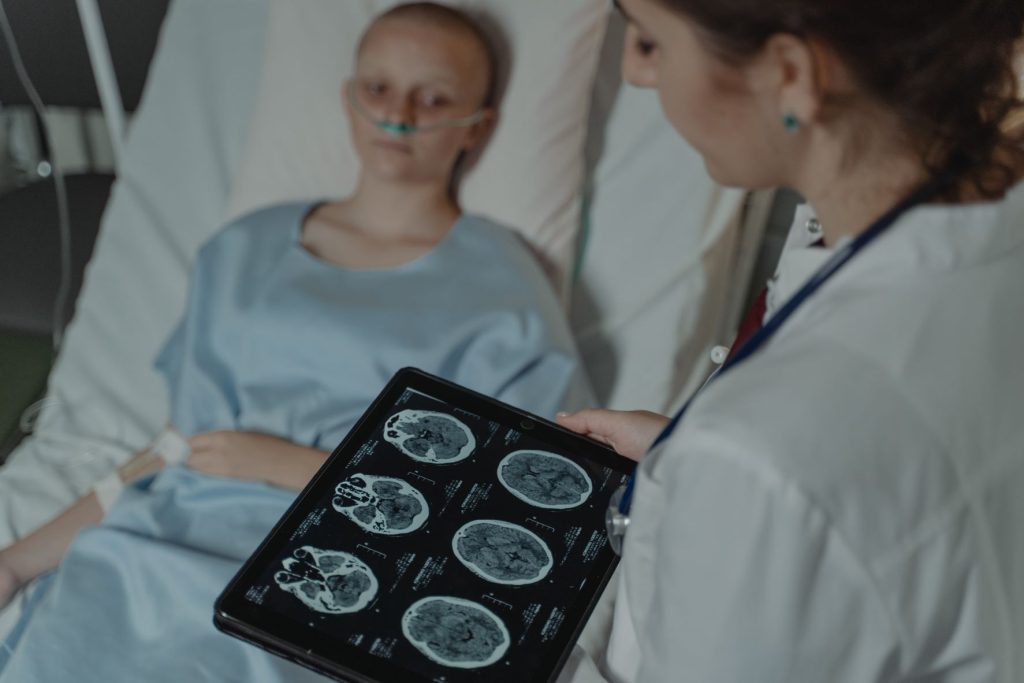
As we age the likelihood of developing a chronic health condition becomes more likely. By being aware of the various chronic conditions, providing in-home care the terminally ill becomes manageable.
Today, people in America are living longer. According to the Centers for Disease Control and Prevention (CDC) once you make it to sixty-five, the data suggest that you can live another 19.3 years, on average. Providing in-home care for terminally ill becoming relevant today more than ever. Longevity in age includes seniors carefully managing chronic conditions to stay healthy.
Healthy lifestyle choices (e.g., losing weight and quitting smoking) can help avoid senior health risks. However, most physicians recommend you must also be physically active and eat a healthy diet. Then you, too, can be among the 41% of individuals over 65 who say their health is excellent, according to the CDC.

Find Encouragement in the Caregiving Journey
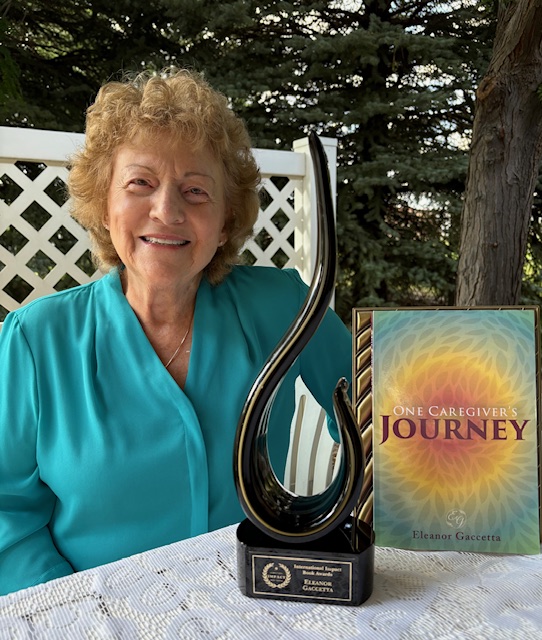
One Caregiver’s Journey
By Eleanor Gaccetta
Genre: Memoir / Family Caregiving
Caring for a loved one can bring moments of joy, exhaustion, and uncertainty. In One Caregiver’s Journey, Eleanor Gaccetta shares heartfelt memories, humor, and practical insights from nine and a half years of caring for her mother. Discover a personal story that reminds caregivers they are not alone.
Find Your Copy on AmazonEnhancing Daily Living for Seniors with Physical Limitations
As an individual ages, the likelihood of physical limitations increases. There may be physical limitations in balance, energy level, agility, and physical strength. Seniors often become more hard of hearing and experience visions problems such as cataracts. The immune system becomes more susceptible to infection and disease. More significant conditions that might occur include heart disease. may also not work. Some changes in your blood vessels and heart health also occur with age. More serious diseases include dementia and Alzheimer’s which have become a leading cause of global death and illness. If any of these conditions become chronic it further reduces mobility and the ability for an individual to function independently.
Here are some suggestions on how quality in-home senior care can empower older people with physical limitations to be remain active in daily routines with exceptional ease:
1. Creating a safe home.
Falls are the leading cause which threaten the independence and health of seniors. Thus, following fall prevention guidelines by creating a safe living environment can enhance their independence. Senior fall prevention guidelines include removing clutter in and outside the house, removing throw rugs or loose objects from floors, add grab bars in bathrooms, make sure walkers and canes are properly adjusted and have proper fitting shoes. Following these tips can significantly reduce the risk of falls at home.
2. Re-designing their daily routines.
To help seniors remain physically active and independent, making healthy changes in everyday life is essential. This includes planning each day with tasks that provide meaning and a sense of control. Incorporating breaks in the daily schedule also helps to ensure that energy levels remain high.
3. Enhancing Vision.
With reduced vision, larger fonts will help seniors read better. This may include purchasing home phones with enlarged numbers. The use of magnifiers can help them with reading newspapers and labels on medication and expiration dates on food items. Good lighting throughout the house is essential to move independently and safely through their living spaces. Correct use of contrast (such as highlighting the edges of curbs and steps with fluorescent paint or tape) can also heighten their awareness of possible hazards.
4. Promoting an easier daily life.
There are many ways to encourage older people with physical limitations to engage in everyday activities. Using universal cuffs or built-up handles on eating utensils can aid those with grip difficulty feeding themselves. Items like the buttoner, long-handled sponge, and shoehorn can be used in dressing and showering. This equipment allows seniors with trunk or upper limb stiffness to perform seated daily tasks safely. Front-load washing machines and portable low-height laundry racks encourage ease of laundry management. Repositioning microwaves and induction cookers to a lower height promotes simple meal preparation for seniors in wheelchairs.
Concluding Word
Physical limitations in seniors may be inevitable. However, successful participation in daily life can enhance their experience of old age with self-confidence. The ideas outlined above are a few of the many other recommendations that can aid in promoting the independence of older people with physical limitations. Eleanor Gaccetta, utilized all of the available tools and developed a unique skill to ensure her elderly mother was safe, happy and active despite her physical limitations. Her book, One Caregiver’s Journey, is a MUST-read. This personal memoir will make you laugh or tug at your heart as the author shares her experiences providing 24/7 care to her mother for 9 ½ years until her mother’s death at age 102. The book is an easy read, honestly written, and provides suggestions and information that all caregivers can utilize. It is a caregiver’s blueprint. Reading this book, you will feel like you are in the author’s living room, and she is telling her story and offering great advice and information on providing in-home care for the terminally ill.
Frequently Asked Questions About Providing In-Home Care for the Terminally Ill
Based on the article “Providing In-Home Care for Terminally Ill” from One Caregiver’s Journey, here are some frequently asked questions to help you understand and manage the complexities of caring for a loved one with physical limitations or a terminal illness at home.
Understanding the Context
1. What is the main message of this article?
The article emphasizes that while physical limitations and chronic conditions become more likely with age, providing quality in-home care is manageable. It offers practical, actionable suggestions to empower seniors with physical limitations to remain active and independent, enhancing their daily living experience.
2. Why is in-home care for the terminally ill becoming more relevant today?
People in America are living longer. According to the CDC, once you make it to 65, you can expect to live another 19.3 years on average. This longevity means more families will face the need to manage chronic conditions and provide care at home.
3. What are some common physical limitations seniors face?
As individuals age, they may experience limitations in:
- Balance, agility, and physical strength.
- Energy levels.
- Hearing and vision (e.g., cataracts).
- Immune system, becoming more susceptible to infections.
- Heart and blood vessel changes.
More serious conditions like dementia and Alzheimer’s can also significantly reduce mobility and independent functioning.
Practical Tips for Enhancing Daily Living
4. How can I create a safer home environment to prevent falls?
Falls are the leading cause of injury that threatens senior independence. Key prevention guidelines include:
| Category | Specific Actions |
|---|---|
| Remove Hazards | Clear clutter inside and outside the house. Remove throw rugs or loose objects from floors. |
| Install Safety Aids | Add grab bars in bathrooms, especially near the toilet and shower. |
| Check Equipment | Ensure walkers and canes are properly adjusted for the user’s height. |
| Wear Proper Footwear | Encourage shoes that fit well and have non-slip soles. |
5. What strategies can help seniors maintain physical activity and a sense of control?
- Plan each day with tasks that provide meaning and a sense of control.
- Incorporate breaks into the daily schedule to help ensure energy levels remain high.
6. How can I help a senior with reduced vision?
- Use larger fonts: Purchase home phones with enlarged numbers.
- Use magnifiers for reading newspapers, medication labels, and food expiration dates.
- Ensure good lighting throughout the house for safe and independent movement.
- Use contrast: Highlight the edges of curbs and steps with fluorescent paint or tape to increase awareness of hazards.
7. What tools can make daily activities like eating, dressing, and chores easier?
There are many adaptive aids that promote independence:
| Activity | Helpful Tools/Aids |
|---|---|
| Eating | Universal cuffs or built-up handles on eating utensils for those with grip difficulty. |
| Dressing & Showering | Buttoner, long-handled sponge, and shoehorn allow seniors with stiffness to perform tasks safely while seated. |
| Laundry | Front-load washing machines and portable low-height laundry racks. |
| Meal Preparation | Repositioning microwaves and induction cookers to a lower height for seniors in wheelchairs. |
The Author’s Perspective and Resources
8. Who is Eleanor Gaccetta and what is her caregiving experience?
Eleanor “Ellie” Gaccetta is an author, speaker, and caregiver advocate. After a nearly 40-year professional career, she became a full-time, 24/7 caregiver for her mother for nine and a half years, until her mother’s death at age 102. She utilized all available tools and developed unique skills to ensure her mother was safe, happy, and active despite her physical limitations.
9. What can I learn from her book, One Caregiver’s Journey?
The book is a personal memoir and caregiver’s “blueprint.” It is described as an easy, honest read that offers:
- Practical suggestions and information that all caregivers can utilize.
- Personal stories that will make you laugh or tug at your heart.
- A feeling that the author is in your living room, telling her story and offering great advice on providing in-home care.
- Encouragement and compassionate support for families navigating caregiving and senior care.
10. Where can I find more information or get the book?
You can find the book, One Caregiver’s Journey, at major online retailers like Amazon and Barnes and Noble, or through the author’s website. The article also notes that the book is available and provides a wealth of lived experience.
Important Disclaimer
11. Is this information a substitute for professional advice?
No. The article clearly states that the content is based on personal caregiving experience and is intended to inform, encourage, and support readers. It should not replace professional medical, legal, or financial advice. Always consult with qualified professionals for specific guidance related to your loved one’s health and your legal or financial situation.