


Thinking about adding more raw vegan meals to your family’s table? It might sound tricky, especially with kids. You might be wondering: Will they actually eat it? Will they get enough nutrients? How do I even start without spending all day in the kitchen?
Don’t worry! This guide is here to help. We’ll break it all down into simple, fun steps. Eating raw vegan as a family is all about enjoying delicious, colorful food that makes everyone feel great.
What Does “Raw Vegan” Mean for a Family?
First, let’s keep it simple. A raw vegan diet means eating foods that are:
- Plant-based (vegan): No meat, dairy, eggs, or honey.
- Uncooked (raw): Not heated above 104–118°F (40–48°C). Food can be blended, dehydrated, juiced, or chopped.
For families, this doesn’t have to be an all-or-nothing rule! It’s about adding more fresh, living foods to your day. Think of it as a fun exploration of fruits, veggies, nuts, and seeds.
Why Try Raw Vegan Recipes with Your Kids?
You’re not just making food; you’re building healthy habits for your children. Here’s why it’s worth it:
- Packed with Nutrients: Raw fruits and vegetables are full of vitamins, minerals, and enzymes that are great for growing bodies and busy parents. The Harvard T.H. Chan School of Public Health emphasizes the importance of fruits and vegetables in a healthy diet.
- More Energy: Cooking can sometimes break down nutrients. Eating food raw means your family gets the full power of the plants, which can lead to more energy for play and work.
- Helps Picky Eaters: When kids help make their food, they are more likely to try it. Raw food prep is safe, hands-on, and feels like play.
- Better Digestion: The high fiber in raw foods helps keep everyone’s digestion running smoothly. The Mayo Clinic details the many benefits of dietary fiber including normalizing bowel movements.
- It’s Fun! Making colorful smoothie bowls, “cheesy” cashew sauces, and fruit leathers is a kitchen adventure.
Did you know? A study in the Journal of Nutrition and Dietetics found that children who are involved in preparing their food are more likely to try new fruits and vegetables.
Your Starter Shopping List
You don’t need a fancy kitchen! Start with these basics:
- Fruits: Bananas, berries, apples, oranges, mangoes, dates (a natural sweetener!)
- Veggies: Cucumbers, carrots, bell peppers, spinach, kale, zucchini, celery
- Nuts & Seeds: Cashews (for creamy sauces), almonds, sunflower seeds, chia seeds, flax seeds
- Pantry: Coconut aminos (like soy sauce), cold-pressed olive oil, maple syrup, vanilla extract, spices like cinnamon and garlic powder
Kitchen Helpers: A good blender is the most useful tool. A food processor and a simple spiralizer (for making veggie “noodles”) are also great.
Easy & Kid-Approved Raw Vegan Recipes
These recipes are designed to be simple, fast, and a hit with even the pickiest eaters.
The Best Beginner Green Smoothie
Kids often say “no” to green food. This smoothie is a delicious trick!
- Prep Time: 5 minutes
- Serves: 2-3
Ingredients:
- 2 ripe bananas (frozen makes it creamy)
- 1 cup frozen mango chunks
- 1 large handful of fresh spinach (you won’t taste it!)
- 1 ½ cups of water or plant-based milk (almond, oat)
- Optional: 1 tablespoon chia seeds for extra nutrients
Instructions:
- Put all the ingredients in your blender.
- Blend on high until it’s completely smooth and green.
- Pour into cups and serve immediately. It’s that easy!
Pro Tip: Let your kids push the blender buttons! They’ll love being involved.
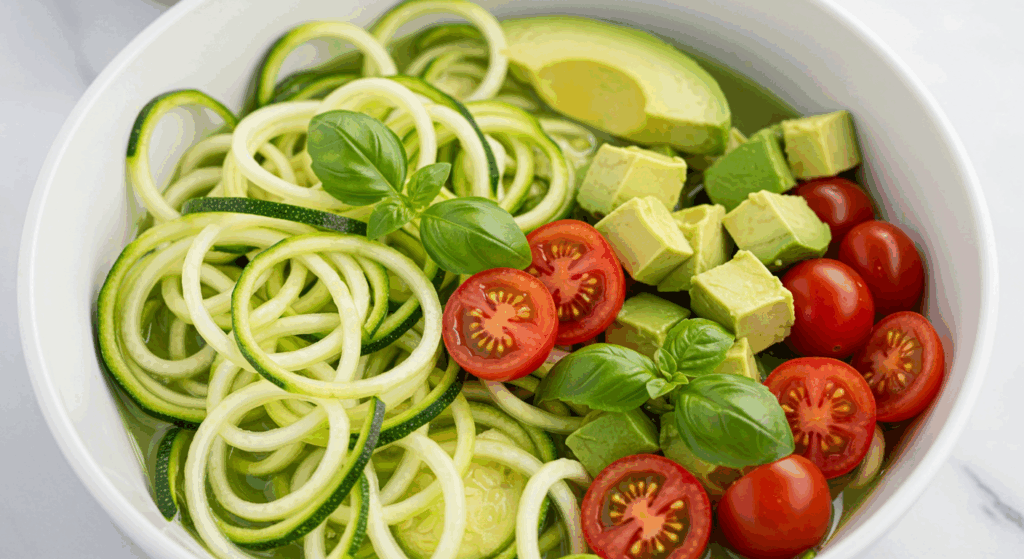
No-Cook “Zoodle” Soup
A comforting soup that doesn’t need a stove. Perfect for lunch.
- Prep Time: 15 minutes
- Serves: 4
Ingredients:
- 2 medium zucchinis, spiralized into “zoodles” (noodles)
- 2 cups cherry tomatoes, chopped in half
- 1 avocado, diced
- ¼ cup fresh basil, chopped
For the Broth:
- 2 cups warm water (not boiling)
- 3 tablespoons coconut aminos or gluten-free tamari
- 2 tablespoons fresh lemon juice
- 1 clove garlic, minced very fine (or ¼ tsp garlic powder)
- 1 teaspoon grated fresh ginger
Instructions:
- In a big bowl, whisk together all the broth ingredients.
- Divide the zucchini zoodles, tomatoes, and avocado into four bowls.
- Carefully pour the broth over the veggies in each bowl.
- Top with fresh basil. The warm broth slightly softens the zoodles, making them feel like real soup!
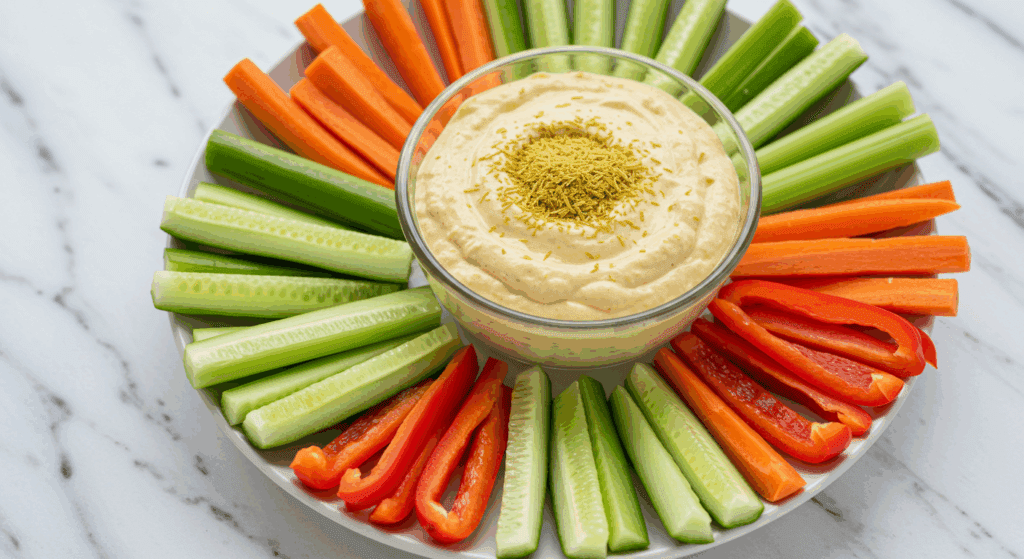
Cheesy Cashew Dip with Veggie Sticks
This creamy, savory dip will have your kids eating their veggies without a fuss.
- Prep Time: 10 minutes (plus 1 hour to soak)
- Serves: 4
Ingredients:
- 1 cup raw cashews, soaked in water for 1-4 hours then drained
- ¼ cup water
- 2 tablespoons nutritional yeast (this gives the “cheesy” flavor)
- 2 tablespoons fresh lemon juice
- ½ teaspoon garlic powder
- ½ teaspoon onion powder
- Pinch of salt
- For dipping: Carrot sticks, cucumber slices, bell pepper strips, celery
Instructions:
- Drain the cashews after they have soaked.
- Put all ingredients (except the veggie sticks) into a blender.
- Blend until it’s completely smooth and creamy. You might need to stop and scrape the sides.
- Scoop into a bowl and serve with all your colorful veggie sticks for dipping.
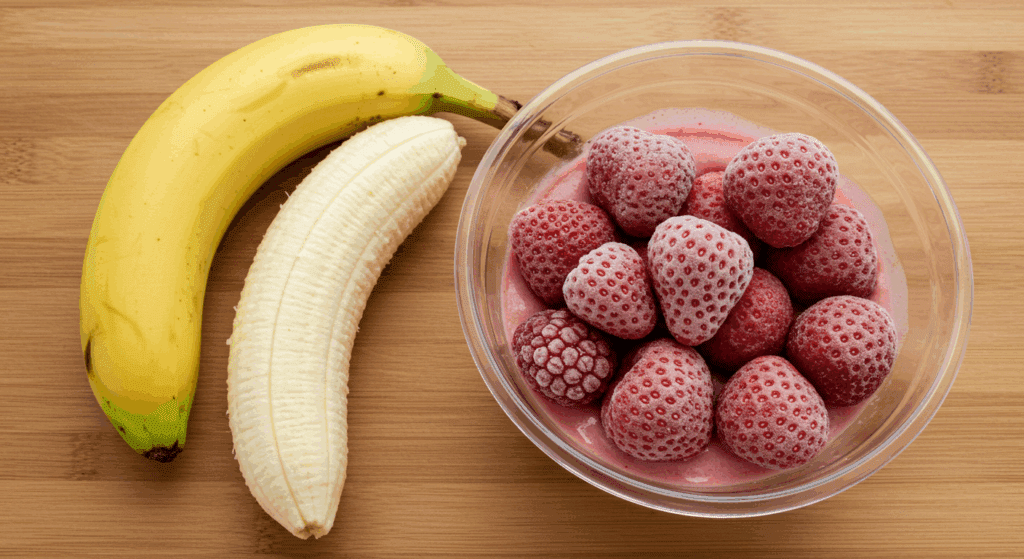
Fruity “Nice” Cream
This is the ultimate healthy dessert. It’s just frozen fruit blended into a soft-serve ice cream texture.
- Prep Time: 5 minutes (plus time to freeze bananas)
- Serves: 2
Ingredients:
- 2 large bananas, peeled, sliced, and frozen solid
- 1 cup frozen strawberries (or any other berry or mango)
- 2-3 tablespoons of plant-based milk, only if needed to help it blend
Instructions:
- Place the frozen banana slices and other frozen fruit into your food processor or high-speed blender.
- Blend. At first, it will be crumbly. Keep blending! Stop to scrape down the sides.
- After a few minutes, it will magically turn into a smooth, soft ice cream. If it’s too stuck, add a tiny splash of plant milk.
- Serve right away for soft-serve, or freeze for 30 minutes for a firmer scoop.
Fun Toppings: Let the kids add their own toppings like fresh berries, shredded coconut, or cacao nibs.
Tips for Success with Kids
- Get Them Involved: Kids love to measure, pour, and blend. Give them a job and they’ll take ownership of the meal.
- Make It Colorful: Create a “rainbow plate” with red peppers, orange carrots, green cucumbers, and purple cabbage. Challenge them to eat the rainbow.
- Keep it Familiar: Don’t replace their favorite meals all at once. Start by adding a raw side dish or smoothie to your regular dinners.
- Rename Foods: “Power Princess Smoothie” or “Superhero Dip” is more exciting than “Kale Smoothie.”
- Be a Role Model: Your excitement is contagious. Show them how much you enjoy eating this way.
FAQs: Your Questions, Answered
Q: Will my kids get enough protein on a raw vegan diet?
A: Absolutely! Plants have protein. Nuts, seeds, spinach, kale, and even broccoli contain protein. By eating a variety of foods throughout the day, kids can easily meet their protein needs. The Academy of Nutrition and Dietetics confirms that plant-based diets provide ample protein for kids.
Q: Is it safe for growing children?
A: A well-planned raw vegan diet can be healthy for children. The key is variety and calories. Because raw foods are less calorie-dense, kids may need to eat larger volumes of food. Always focus on including healthy fats (avocado, nuts, seeds) to ensure they get enough energy. It is always a good idea to talk to a pediatrician or a registered dietitian when making big changes to your child’s diet. You can find a qualified professional through the Academy of Nutrition and Dietetics‘ “Find a Nutrition Expert” directory</a>.
Q: My child is a picky eater. What’s the one recipe I should try first?
A: Start with the Fruity “Nice” Cream. It looks and feels like dessert, so it’s an easy win. It’s a simple way to show them that “healthy” can also be “delicious.”
Q: Isn’t eating raw all the time expensive and time-consuming?
A: It doesn’t have to be! You don’t need to be 100% raw. Start with one raw meal a day, like a smoothie for breakfast or a big salad for lunch. Buy frozen fruits and vegetables—they are just as nutritious, often cheaper, and ready to use. The USDA’s Economic Research Service shows that frozen vegetables are a cost-effective choice.
Q: What about calcium without dairy?
A: Many plant foods are excellent sources of calcium that the body can easily use. Think dark leafy greens (kale, collards), fortified plant milks, almonds, tahini (sesame seed paste), and figs. The National Institutes of Health provides a detailed list of calcium-rich foods, including non-dairy sources.
A Final Word of Encouragement
Adding raw vegan recipes to your family’s life is a journey, not a race. Start with one new recipe this week. Have fun with it, don’t stress about perfection, and celebrate the small wins when your kids try something new and like it!
You are giving your family the incredible gift of healthy, vibrant food. Enjoy the process of creating and eating together!
