Caregivers are some of the most selfless unsung heroes in the service industry. They make sure they provide the best care they can to those in need.
Caregivers find gratification in providing care and meeting others’ needs. Because of this, they can easily overlook their own – a typical case of caregivers’ selflessness. This is commonly caused by their honest concern for the individual and the self-sacrificing desire to help others. But sometimes, it can also be a pang of unconscious guilt, which they may feel if they spend more time on themselves than those in need.
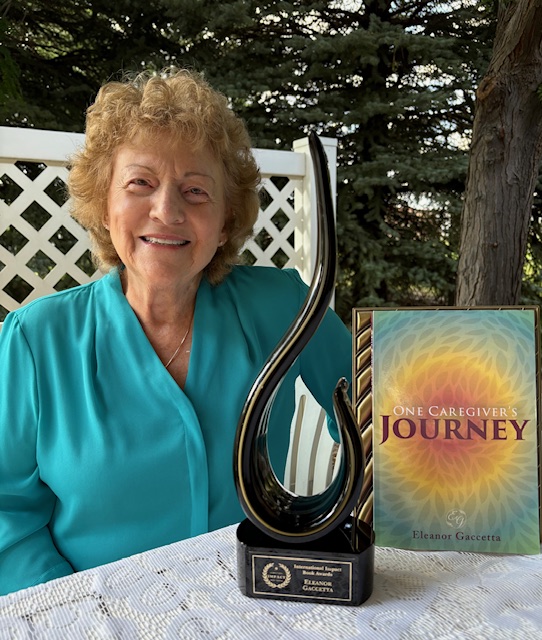
While it may be satisfying to value work and others over personal time, this type of selflessness leaves caregivers at significant risk of burnout. Humans can only take so much stress, and once exhaustion hits, the service declines. This does affect not only the provider but also those they work for. In Eleanor Gaccetta’s book about how to become a caregiver, she shares her experience in providing care for her mother 24/7. While she relays that her journey had been fulfilling, it’s still crucial to establish a balanced time between work and life if one wishes to have a healthy relationship with work. For additional insights on managing emotional strain in caregiving, including how to deal with caregiving-related family conflicts, you can explore more here.
Setting Boundaries
You can’t expect your boundaries to be respected if you don’t set them yourself. For instance, if you’re working for another person, you’ll continuously receive task to do more work as long as you appear available. Even working for a family member, you may constantly prioritize their needs and overlook yours if you don’t set your limits. Make sure you have placed a dividing line between the tasks you can and are willing to perform, and those already outside your scope. Once set, you also need to properly communicate these to the people around you – your colleagues or family members.
Managing Time
Balancing work and life as a caregiver can sometimes be easier said than done, but prioritizing is the key. Take time to evaluate your tasks, and categorize them according to what you’re obliged to do and what you want to do. Separating your tasks accordingly can allow you to optimize your day and allot equal time for your work and social life activities.
In line with allotting equal time for work, avoid the urge to overschedule or receive more work. People overestimate their capacity without noticing how they’re abusing their bodies. If you have someone working with you, learn to delegate equally. Don’t be afraid to reach out and ask for help. Remember, just because you’re identifying the tasks you can’t do, this doesn’t mean you’re simply passing around the responsibility. Sometimes, having less is doing more.
Prioritizing Your Health
As a caregiver, making sure your patient remains healthy is your priority. But your health is equally just as important. Treat yourself how you treat the other person. If you’re feeling unwell, then call in sick. If you believe you’re in a state where you can’t deliver, have a day off. It’s normal to be feeling so. In today’s society, there is an ongoing belief that how much time you spend working equates to how good you are as a worker, regardless of how you’re feeling. However, your emotional, mental and physical health should still be your primary concern. Pay attention to your body. If you are a sole caregiver pare down your duties on the days you are tired or not feeling well. Calling in sick is not an option if your loved one lives with you but you can give yourself permission to rest when they rest.
Making Time for Yourself
This is especially significant to the service industry. Most of the time, caregivers are focused on serving and interacting with other people, which can be very draining. While being one with a collective body of people can be comforting, it can also be pretty stressful. to others. If you’re one with the latter, don’t be afraid to take a step back and separate yourself from people. Take this time to recover. This makes sure your mental and emotional health get a day off. You can practice meditations or other methods to decompress and strengthen your mind. You’d be surprised how much meditation helps with mental clarity and comfort. Other than taking care of your mental health, spending at least a day alone can also allow you to evaluate your days. With no different voice to tell you what to do, you can reassess your priorities and needs. To learn more about how to keep this balance, explore maintaining a sense of independence.
If you’re looking for ways to maintain personal time while supplementing your income, consider these Top Side Hustles for Caregivers That Are Just as Rewarding. These opportunities can help you earn without overwhelming your schedule or compromising your well-being.
Foregoing to establish a healthy balance between your career and life can cause stress, frustration, and anxiety, negatively influencing your work. Taking days off to focus on yourself shouldn’t make you feel guilty. Sometimes valuing your job can mean putting more effort into staying healthy and in top condition.
Frequently Asked Questions About Caregiver Self-Care
1. Why is it so hard for caregivers to prioritize their own needs?
It’s incredibly common for caregivers to put themselves last. This often stems from a genuine sense of selflessness and a deep desire to help. For some, there can also be an unconscious feeling of guilt, making them believe that taking time for themselves is somehow neglecting their duties. However, this pattern of constant self-sacrifice is a primary cause of caregiver burnout, which ultimately compromises the quality of care you can provide.
2. What are the first steps to preventing caregiver burnout?
Preventing burnout starts with recognizing that your well-being is just as important as the person you’re caring for. The article highlights three foundational steps:
- Setting Boundaries: Clearly define what tasks you are willing and able to do, and communicate these limits to family members or colleagues.
- Managing Time: Evaluate your tasks and prioritize them. Learn to delegate and avoid the urge to overschedule yourself.
- Prioritizing Your Health: Treat yourself with the same care you give others. If you are unwell, take a day off to rest. Your physical and mental health are essential for providing good care.
3. How can I set boundaries as a caregiver when caring for a family member?
Setting boundaries with family can be particularly challenging. The key is clear communication. You need to establish a “dividing line” between the tasks you can perform and those that are outside your scope. This might mean having a direct conversation about what you are able to handle and what others need to help with. Remember, setting limits isn’t about not caring; it’s about ensuring you can sustain your care for the long term.
4. Is it okay to take time for myself and feel guilty?
Yes, it’s normal to feel guilty, but it’s crucial not to let that guilt control your actions. The article emphasizes that making time for yourself is not selfish but necessary. Taking a day to rest, practice meditation, or simply be alone helps you recover from the mental and emotional drain of caregiving. Valuing your job means putting more effort into staying healthy and in top condition so you can be present for your loved one.
5. What should I do on days when I feel too exhausted to provide care?
Pay close attention to your body and mind. If you’re feeling unwell or overly tired, you need to give yourself permission to rest. If your loved one lives with you, you can pare down your duties and rest when they rest. If you’re a professional caregiver, don’t hesitate to call in sick. Your emotional, mental, and physical health should be your primary concern. Delivering care when you are exhausted can negatively influence your work.
6. What are some practical time management tips for busy caregivers?
Balancing work and life is easier said than done, but prioritizing is key. Start by evaluating your tasks and categorizing them into what you are obliged to do and what you want to do. This helps you optimize your day. Also, don’t be afraid to ask for help and delegate responsibilities if you have a team. Remember the powerful idea that “having less is doing more”—sometimes cutting back is the most effective action you can take.
7. Besides rest, what else can I do to improve my mental health as a caregiver?
Taking mental health days is vital, but you can also practice methods to decompress and strengthen your mind. The article specifically mentions meditation, which can greatly help with mental clarity and comfort. Spending time alone allows you to evaluate your days, reassess your priorities, and find a sense of independence, which is crucial for long-term resilience.