


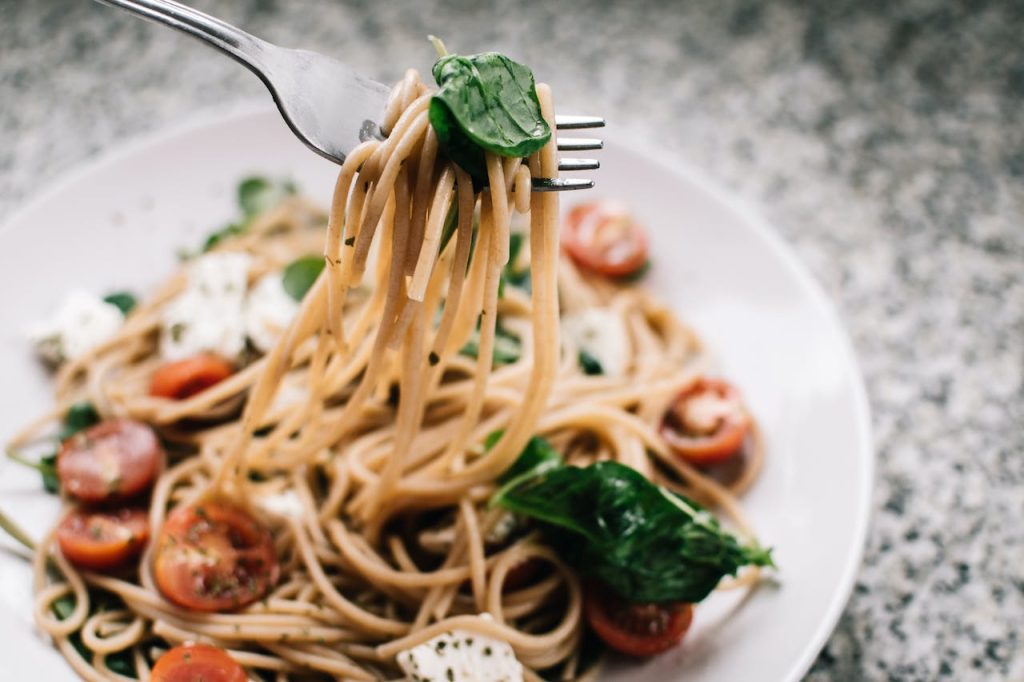
Photo by Lisa Fotios
Have you ever taken a bite of a meal and been instantly transported back in time? Maybe it’s the smell of your grandma’s cookies that makes you feel safe and loved. Or the taste of your dad’s famous chili that brings back memories of family game nights.
These recipes are more than just instructions for food. They are a direct link to our past, our culture, and the people we love. But what happens when those recipes are only in someone’s head or on a stained, old notecard?
That’s where the magic of writing a family cookbook comes in. It’s a project that saves your family’s food story for generations to come. This guide will walk you through the simple, fun steps of creating your own family cookbook.
Why a Family Cookbook is a Treasure
Think of a family cookbook as a photo album you can taste. It’s not just a collection of ingredients and steps. It’s a collection of stories.
- Preserve Precious Memories: A 2020 survey by OnePoll found that over 65% of people say their favorite childhood memories are tied to food. Writing down recipes saves these memories before they are lost.
- Connect Generations: It’s a way for your grandchildren to know their great-grandparents, even if they never met them. They can learn about their heritage by cooking the same foods their ancestors did.
- Celebrate Your Story: Every family has a unique story. Your food traditions—whether it’s a special holiday dish or a simple weeknight meal—are a big part of that story.
- Create a Lasting Heirloom: Unlike a casserole that’s gone in an hour, a cookbook is a gift that can be passed down for decades. It becomes a physical piece of your family’s history.
Your Step-by-Step Guide to Creating Your Cookbook
You don’t need to be a professional chef or a famous writer to do this. You just need to be someone who cares. Let’s break it down into easy steps.
Step 1: Gather Your Recipes and Stories
This is the most important part. Start by collecting all the recipes you want to include.
- Go Digital: Use your phone’s camera to take pictures of recipe cards, clippings from old magazines, and handwritten notes. This is a great backup in case something happens to the original.
- Talk to Your Family: Call your grandparents, parents, aunts, and uncles. Ask them: “What is the one recipe you couldn’t live without?” Schedule a time to talk with them about it. Don’t just ask for the recipe—ask for the story behind it.
- Ask Good Questions:
- “Who taught you how to make this?”
- “When did you usually eat this? (Holidays, birthdays, Sundays?)”
- “What memory does this recipe bring back for you?”
- “Did you ever have a funny kitchen disaster with this dish?”
- Test the Recipes: This is a fun weekend activity! Cook the recipe exactly as it’s written. You might find that “a pinch of salt” means different things to different people. Write down the exact measurements as you test them.
Step 2: Organize Your Cookbook
A messy cookbook is hard to use. Think about how you want to arrange the recipes. Here are a few ideas:
- By Meal Type: This is the most common way. Have sections for Breakfast, Lunch, Dinner, Desserts, and Snacks.
- By Family Member: Have a chapter for “Grandma’s Kitchen,” another for “Uncle Joe’s BBQ Favorites,” and so on.
- By Season or Holiday: Group all your Christmas recipes together, your summer picnic foods, and your Thanksgiving dishes.
- By Story: Organize it by memories, like “Recipes from the Old Country,” “Meals That Healed,” or “Celebration Feasts.”
Step 3: Write with Love and Clarity
Remember, you’re writing for everyone in the family, from expert cooks to beginners.
- Use Simple Language: Write instructions clearly. Instead of “cream the butter and sugar,” you could write, “Beat the soft butter and sugar together with a mixer until it looks light and fluffy.”
- Include the Story: This is what makes your cookbook special! Under the recipe title, write a short paragraph telling its story.
- Example: Aunt Mary’s Famous Apple Pie
- Story: “Aunt Mary always brought this pie to every family reunion. We kids would hover around the dessert table, waiting for her to cut the first slice. She always said the secret was a ‘laughing crust’—meaning don’t handle it too seriously!”
- Add Personal Tips: Does your mom have a special trick for peeling potatoes? Does your dad insist on a specific brand of tomato sauce? Include these little notes! They add so much character.
Step 4: Design and Put It All Together
This is where your book comes to life!
- Keep it Simple: You can use a simple word processor like Google Docs or Microsoft Word. Use a large, easy-to-read font.
- Add Photos: A picture is worth a thousand words. Include photos of the finished dish, but also include old family photos. A picture of your grandma in her kitchen is just as important as a picture of her famous stew.
- Create a Cover: Give your cookbook a fun title, like “The Smith Family Kitchen: Stories and Recipes from Our Home to Yours.”
You’ve done the hard work! Now it’s time to share it.
- Print at Home: This is the cheapest option. You can print copies and put them in simple three-ring binders from any office supply store.
- Use a Print-on-Demand Service: Websites like Shutterfly, Blurb, or Lulu make it easy to create professional-looking books. You upload your file, and they print and ship copies to you and your family. This is great for creating gifts.
- Go Digital: Create a PDF file that you can email to everyone. This is instant, free, and family members can print their own copies if they want.
Frequently Asked Questions (FAQs)
Q: My family recipes don’t have exact measurements. They use terms like “a handful” or “a glug.” What should I do?
A: This is very common! The best thing to do is to cook the recipe with the family member who makes it. As you cook together, measure the “handful” of flour or the “glug” of oil. Write down the exact amounts you used. This saves the spirit of the recipe while making it easy for others to follow.
Q: This feels like a big project. Where do I even start?
A: Don’t feel like you have to do everything at once. Start small. Pick just one recipe. Call one relative and ask them about it. Write down that one story. Doing just one recipe is a huge success. You can build from there, one recipe at a time.
Q: What if I’m not a good cook?
A: That’s okay! This project is more about preserving stories than being a chef. You can be the interviewer, the photographer, or the organizer. The most important job is to be the person who cares enough to ask the questions and write down the answers.
Q: How can I include family members who live far away?
A: Technology is your friend! Use video calls to interview them. You can create a shared folder on Google Drive or Dropbox where everyone can upload their recipes and photos. You can even start a private family group on social media to share progress and gather stories.
Q: What if a recipe is a “secret”?
A: Be respectful. Explain that the goal is to preserve the recipe so it’s never lost. Assure them that the cookbook is just for the family. Sometimes, sharing a “secret” recipe is the highest honor.
A Gift for the Future
Writing a family cookbook is a labor of love. It might take a few weekends, or it might be a year-long project. But the result is something priceless. You are not just creating a book; you are building a bridge between the past and the future.
Every time someone in your family uses your cookbook, they will be remembering, connecting, and creating new memories. They will be keeping your family’s unique flavor alive. So, grab a pen, call a relative, and start preserving your taste of the past. Your future family will thank you for it.
About the Author
This guide was created by a team passionate about preserving family histories and traditions. We believe that the stories we share around the kitchen table are the threads that weave our families together. Our research is based on collective experience in family storytelling, historical preservation, and a deep understanding of the emotional value of heirlooms. We are committed to providing accurate, helpful, and trustworthy information to help you celebrate and save your own unique family story.

1 comment