

Home is where the health is. Staying at home means being surrounded by the familiar, which helps to create a sense of security and freedom.
Growing old is a natural and inevitable part of this so-called life. Some people will lose their independence as they age and caring for their needs often falls to their children or close family members. Eventually, as their physical condition worsens and freedom decreases, caregivers’ burden of care tends to increase. Although you, as a child or relative, can often care for your elders, the challenge can be heavy as you juggle caregiving with your own life, career, and family. And while elderly care can be complex with its many demands, it is still vital to ensure the health, safety, and well-being of your loved one.
A lot of factors play into someone needing at-home care. It can be physical disabilities or impairments, a new diagnosis, post-surgery recovery, worsening conditions or symptoms, declining overall health, and the like. Growing old at home is the best next step for elderly adults who are no longer in good health or independent. Consider the benefits of at-home care if you have a loved one needing quality elderly care.
Thus, check out these four reasons for personally taking care of an elderly loved one and find out the wonderful journey of caring for a loved one that comes along with it.
4 Reasons for Personally Taking Care of an Elderly Loved One
A critical component of elderly home care is to ensure the patient feels comfortable and safe. When they can stay in the comfort of their own home, most elderly adults feel better physically and mentally.

Find Encouragement in the Caregiving Journey
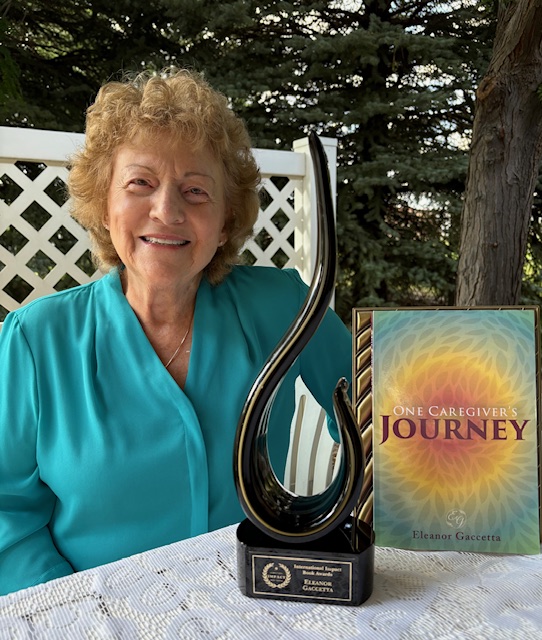
One Caregiver’s Journey
By Eleanor Gaccetta
Genre: Memoir / Family Caregiving
Caring for a loved one can bring moments of joy, exhaustion, and uncertainty. In One Caregiver’s Journey, Eleanor Gaccetta shares heartfelt memories, humor, and practical insights from nine and a half years of caring for her mother. Discover a personal story that reminds caregivers they are not alone.
Find Your Copy on AmazonReason #1. Home Care Is Personalized. Assisted living facilities may have some perks. Still, working with the elderly by offering help at home is ideal. Most importantly, home care patients receive one-on-one care making it more personalized. Dedicated caregivers (especially if the caregiver is a family member) provide a sense of companionship and compassion not found in a group setting. When an older adult needs specific care, their needs may be overlooked in a larger living facility. Patients at home get personal assistance at their own pace in a more intimate setting. In general, personalized care provides a more excellent quality of care. Being your loved one’s caregiver lets you know your patient on a relational level and learn how to serve them best moving forward. Your elderly loved one deserves personal attention to help them succeed.
Reason #2. Home Care Preserves Independence and Health. As people grow old, everyday tasks can start to become more complex. Being able to live at home offers independence and a sense of comfort. Elderly care at home can help your patients increase or maintain confidence levels and the ability to retain more independence. Being in an assisted living facility or a nursing home can make a person feel helpless, defeated, or even resentful. Being at home can boost your elderly loved one to communicate and reach out more. Home care allows elderly adults to do things independently but quickly offers assistance when needed. This confidence and independence can significantly benefit their mental health and well-being.
Reason #3. Home Care Gives Peace of Mind to Families. As the kid of an elderly parent, it is customary to worry about their well-being and safety. When your older parent (or parents) stays at home, the stress of a life-altering change is no longer at hand. You can be assured that their health is in good hands and that you can worry less about their safety. Knowing that your elderly loved ones can get the special care they need at home assures peace of mind.
Reason #4. Home Care Creates a Safe Environment. Some concern regarding elderly parents aging at home is a lack of safe surroundings. Instead of uprooting their life from where they call home. An elderly loved one’s home can easily be transformed into a comfortable, safe space to remain living in. Consider doing some of these safety precautions if you want to provide elderly care at home:
- Install shower bars;
- Add slip-proof coverings to shower and bath floors;
- Move cabinet items lower to make easier for them to function at home;
- Remove throw rugs and other clutter from floors to prevent elderly falls; and
- Simplify, simplify, simplify.
While every situation is unique, allowing loved ones to stay at home is often the best option. Not only will they be able to preserve most of their independence, but they will also get a more personal level of care committed to their health and safety.
Keeping Your Loved Ones At Home
In closing, working with the elderly through at-home elderly care has many benefits. Keeping a close watch on them ensures high-quality elder care with the personalized attention they need. Having peace of mind is possible knowing they are surrounded by a familiar environment where they feel safe and protected.
Frequently Asked Questions About the Beauty of Personally Taking Care of an Elderly Loved One
Based on the article “The Beauty Of Personally Taking Care Of An Elderly Loved One” from One Caregiver’s Journey, here are some frequently asked questions to help you understand the profound benefits and realities of this deeply personal choice.
1. What is the main message of this article?
The article highlights the profound beauty and practical benefits of personally caring for an elderly loved one at home. It argues that home care provides personalized attention, preserves independence, offers peace of mind to families, and can be made into a safe environment, making it often the best option for enhancing an elderly person’s quality of life.
2. Why is “home” so important for elderly care?
“Home is where the health is.” Staying at home means being surrounded by the familiar, which creates a sense of security and freedom. This familiar environment can significantly improve an elderly person’s mental and physical well-being compared to an institutional setting.
Key Benefits of At-Home Care
3. How is home care more personalized than a facility?
In a facility, individual needs may be overlooked in a group setting. At home, patients receive one-on-one care at their own pace in a more intimate setting. As a family caregiver, you know your loved one on a relational level and can learn how to serve them best, providing a sense of companionship and compassion not found elsewhere.
4. How does home care preserve independence?
As people grow old, everyday tasks become more complex. Living at home allows elderly adults to do things independently but with quick assistance when needed. This boosts their confidence and helps them retain more independence, which is often lost in assisted living, where they may feel helpless or resentful. This confidence significantly benefits their mental health.
5. What peace of mind does home care offer families?
It’s customary to worry about an elderly parent’s well-being. When they stay at home, the stress of a life-altering change is reduced. You can be more assured that their health is in good hands, worry less about their safety, and know they are receiving the special care they need.
6. Is it possible to make a home safe for an elderly person?
Yes. Instead of uprooting their life, a home can be transformed into a comfortable, safe space. The article suggests several safety precautions, including:
- Installing shower bars.
- Adding slip-proof coverings to shower and bath floors.
- Moving cabinet items lower for easier access.
- Removing throw rugs and other clutter to prevent falls.
- Simplifying the environment.
The Author’s Perspective and Realities
7. What is Eleanor Gaccetta’s personal experience with home care?
Eleanor Gaccetta cared for her mother for 10 years in her own home. She describes living a “pretty isolated life,” which she acknowledges is very hard for today’s caregivers. Her experience illustrates both the deep commitment and the significant personal sacrifice involved.
8. Has the COVID-19 pandemic affected the choice of home care?
Yes. As one commenter notes, the healthcare environment has changed significantly since COVID, with a lack of efficient staff and resources. This has made keeping a loved one home a “viable priority.” However, caregivers now face new challenges, such as caring for elderly loved ones at home while also managing school-aged children, leading to much burnout.
9. What are some of the financial realities of elder care?
The author states that the cost of U.S. elder care systems, from independent living to skilled care, is out of the reach of anyone who is not wealthy. This financial strain is a major factor driving families to choose in-home care.
10. What resources does Eleanor Gaccetta offer for caregivers?
She invites readers to buy her book(s) to enjoy reading about her journey. Her books, One Caregiver’s Journey and Generations of Good Food, are available on her website and major online retailers. They provide honest encouragement, practical insight, and compassionate support.
Additional Considerations
11. Is in-home care the right choice for everyone?
While the article highlights many benefits, it also notes that every situation is unique. The decision depends on factors like the loved one’s specific needs, the family’s capacity to provide care, and available resources. The article aims to inform, not prescribe, and should not replace professional advice.
12. How can I learn more about the challenges of caregiving?
The article and the author’s comments acknowledge the heavy burden, isolation, and burnout caregivers can face. For a deeper understanding of these challenges, exploring resources like Eleanor Gaccetta’s book, One Caregiver’s Journey, can provide a realistic and compassionate view of the journey.

2 comments
Maria Ciletti
Enjoyed your article on keeping loved ones home. Since COVID, the health care environment has changed so much. Lack of efficient staff and resources, make keeping your loved one home a viable priority.
Also, like your blog site.
Eleanor Gaccetta
Thank you so much for your kind comments. There are many blogs added each month on both caregiving and my cookbook… I cared for my mother for 10 years in my home – lived a pretty isolated life which is very hard for today’s caregivers. Since Covid many caregivers have faced challenges of caring for elderly loved ones at home at the same time they are caring for their school aged children. There is much burnout and not a lot of training other than hands-on… Truly the cost of the US elder care systems from independent living to skilled care is out of the reach of anyone who is not wealthy. I invite you to buy my book(s) and enjoy reading about my journey.