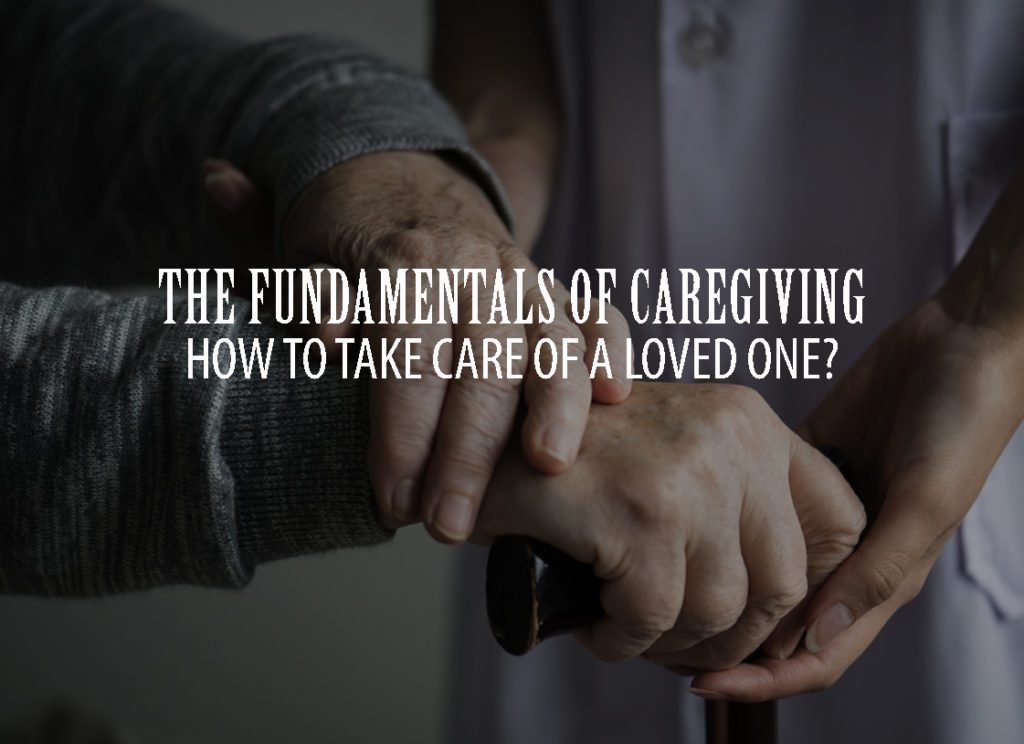
Caring for a family member or friend is an act of love and dedication. If you’re reading this, you might have recently become a caregiver or have been one for a while. Either way, know that your role is incredibly important. In the United States alone, 63 million people are family caregivers, representing nearly 1 in 4 adults. This journey, while rewarding, can also feel overwhelming. This guide will walk you through the fundamentals of caregiving, providing practical tips and essential information to help you provide the best possible care while also taking care of yourself.
Caregiving can include many different tasks. These might involve helping with daily activities like bathing and dressing, managing medications, preparing meals, handling finances, or simply providing companionship. Many caregivers spend an average of 27 hours per week providing care, with nearly one in four providing 40 or more hours weekly. With such significant demands, it’s essential to approach caregiving with both compassion and good information.
This article will cover the practical supplies you might need, ways to take care of yourself, daily care techniques, and answers to common questions. Remember, being a good caregiver starts with recognizing that you’re not alone, and it’s okay to need support and information along the way.
Essential Supplies for Effective Caregiving
Having the right tools and supplies can make caregiving safer, easier, and less stressful for both you and your loved one. Here are some key categories to consider:
Safety and Accessibility Equipment
Falls are a common concern for older adults. The CDC notes that falls are a leading cause of injury among older adults. Simple safety modifications around the home can significantly reduce risks:
- Bathroom safety: Install grab bars in the shower or beside the toilet, use a bath chair for secure seating during showers, and consider a raised toilet seat to make sitting and standing easier.
- Bedroom aids: Bed rails or bedside grips can help your loved one get in and out of bed more safely.
- Lighting: Place nightlights in hallways, bedrooms, and bathrooms to prevent trips and falls during nighttime.
Organizational Tools
Caregiving involves keeping track of many details. These tools can help you stay organized:
- Caregiver journal or organizer: This serves as a central place for medical information, appointments, and daily care activities.
- Dry-erase board: Perfect for tracking daily medications, appointments, and tasks where both you and your loved one can see them. This can be especially helpful for loved ones with memory issues.
- Paperwork pack: Keep important documents organized in a binder or accordion folder. Include insurance cards, healthcare proxy forms, “do not resuscitate” (DNR) documentation, power of attorney paperwork, lists of medications and allergies, and other essential documents.
Daily Care Supplies
Keep these supplies on hand for day-to-day care and minor emergencies:
- First aid kit: Stock with adhesive bandages, sterile gauze pads, antiseptic wipes, antibiotic ointment, tweezers, scissors, a digital thermometer, and disposable gloves.
- Incontinence items: If needed, have supplies such as pads, pull-up pants, wipes, and rash ointment readily available.
- Specialized dinnerware: For those with limited mobility or vision issues, consider nonslip plates, plates with raised edges (scoop plates), and large-grip utensils that are easier to hold.
Caring for the Caregiver: Why Your Well-being Matters
Caregiver burnout is a real and common challenge. Nearly one in five caregivers report being in fair or poor health themselves. Taking care of yourself isn’t selfish—it’s essential. If you become sick or exhausted, you won’t be able to care for anyone else effectively.
Recognize the Signs of Stress
Watch for these warning signs of caregiver stress:
- Feeling constantly exhausted, overwhelmed, or anxious
- Becoming easily angered or impatient with your loved one or others
- Having trouble sleeping or not getting enough quality sleep
- Feeling sad or hopeless, or losing interest in activities you used to enjoy
- Neglecting your own health needs, like skipping doctor’s appointments or not eating well
Practical Self-Care Strategies
- Take breaks: Ask another family member or friend to step in, even if just for an hour, so you can have some personal time. This is called respite care.
- Maintain your health: Try to get seven to nine hours of sleep each night, eat balanced meals, drink plenty of water, and find ways to be active, even if it’s just a short daily walk.
- Seek support: Join a support group for caregivers, either in person or online. Speaking with others who understand your situation can provide emotional comfort and practical advice.
- Ask for help: When people offer assistance, have a ready list of specific tasks they can help with, such as picking up groceries, preparing a meal, or staying with your loved one while you run errands.
- Nearly half of all caregivers report at least one negative financial impact from their caregiving responsibilities, including taking on debt or using up short-term savings.
Daily Care Techniques and Best Practices
Effective Communication
- Speak clearly and listen patiently: Give your full attention when your loved one is speaking. Make eye contact and avoid interrupting.
- Offer simple choices: Instead of open-ended questions, try asking “Would you prefer to wear the blue shirt or the green one?” This promotes independence while simplifying decisions.
- Use encouragement, not pressure: Use phrases like “Let’s try taking a few steps together” rather than commands. Remember past successes and gently remind them of what they’ve already accomplished.
Assisting with Daily Activities
- Break tasks into small steps: Instead of “Let’s get dressed,” break it down into simpler steps: “First, put on your shirt. Now, let’s put on your pants.” This makes tasks feel more manageable.
- Maintain dignity: Always knock before entering a room and respect privacy during personal care. Explain what you’re going to do before doing it.
- Promote independence: Allow your loved one to do as much for themselves as possible, even if it takes longer. This helps maintain their skills and self-esteem.
Managing Medications and Health Monitoring
- Use a pill organizer: These come in daily or weekly formats and help ensure medications are taken correctly.
- Keep a health journal: Record any changes in symptoms, mood, or behavior, as well as vital signs if you’re monitoring them. This information is valuable for healthcare appointments.
- Know when to ask questions: If you’re uncomfortable with any medical procedure you’re expected to perform, such as giving injections or changing dressings, don’t hesitate to ask healthcare providers for clear instructions until you feel confident.
Frequently Asked Questions (FAQs)
How can I get my family member to accept help?
This is a common challenge. Start with small offers of help that feel less threatening, such as “Let me help you with dinner tonight” rather than “You can no longer cook for yourself.” Focus on your own feelings: “It would make me feel better to help with…” rather than “You need help because…” Often, resistance comes from fear of losing independence, so emphasize that you’re working together.
How can I take time off work to care for a family member?
The Family and Medical Leave Act (FMLA) may provide eligible employees with up to 12 weeks of unpaid, job-protected leave per year to care for a family member with a serious health condition. Not all workers or employers are covered, so check with your human resources department about your specific situation and options.

Find Encouragement in the Caregiving Journey
One Caregiver’s Journey
By Eleanor Gaccetta
Genre: Memoir / Family Caregiving
Caring for a loved one can bring moments of joy, exhaustion, and uncertainty. In One Caregiver’s Journey, Eleanor Gaccetta shares heartfelt memories, humor, and practical insights from nine and a half years of caring for her mother. Discover a personal story that reminds caregivers they are not alone.
Find Your Copy on AmazonCan I get paid to care for a family member?
In some cases, yes. Some states have programs that pay family caregivers, particularly through Medicaid. Veterans’ programs may also provide compensation for caregivers of eligible veterans. Requirements vary by state and program, so check with your local Area Agency on Aging or your state’s Department of Health and Human Services for information about programs in your area.
What should I do to help get my family member’s legal and financial affairs in order?
Important documents include a financial power of attorney (which gives you authority to manage financial matters), a healthcare power of attorney (for medical decisions), and a will. A guardianship may be needed if your loved one can no longer make sound decisions and hasn’t previously established a power of attorney. This requires a court order.
How can I deal with my family member’s challenging behaviors without losing my patience?
First, try to identify triggers for the behavior (such as pain, hunger, or overstimulation). Respond calmly rather than reacting emotionally. Redirect attention to a different activity or topic. Remember that many challenging behaviors are caused by the underlying medical condition, not by the person’s character. If you feel yourself losing patience, take deep breaths or step away briefly if it’s safe to do so.
Conclusion: You Are Making a Difference
Caregiving is a journey with challenges and rewards. Remember that perfection isn’t the goal—showing up with compassion and doing your best is what truly matters. Don’t hesitate to use available resources and ask for help when needed. By taking care of yourself and equipping yourself with knowledge and support, you can provide the best possible care for your loved one while maintaining your own health and well-being.
Your role as a caregiver is valuable, and the care you provide makes an immense difference in someone else’s life.