

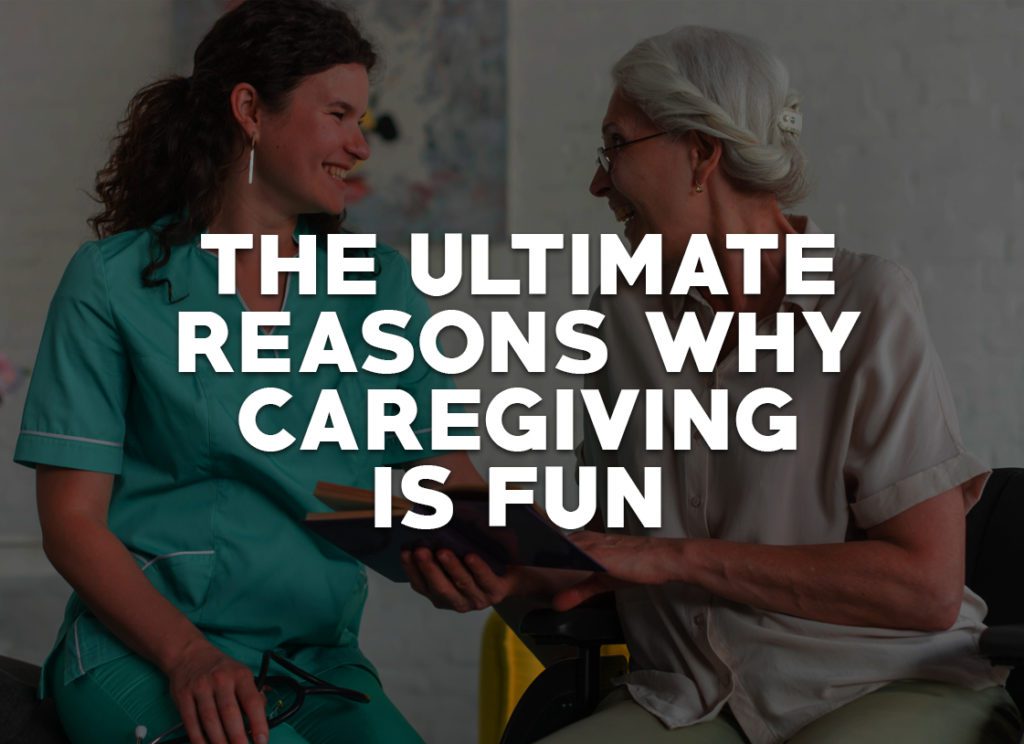
There is a common assumption among many people that caregiving is an exhausting and stressful job. Even though there is a bit of truthfulness in such assumption, in reality, caregiving is not just entirely exhausting and stressful. More often than not, caregiving can also be fun and fulfilling. Yes, there are days when caregivers would experience fatigue, but there are also days when they would feel satisfied and cheerful about their job. Especially when the care recipient is a loved one, caregiving can be a life-affirming experience. Eleanor Gaccetta shows just how true this is in her heartwarming memoir, One Caregiver’s Journey. This book basically contains numerous stories and information about the life of a caregiver. It provides a snapshot into the reality of the stages, changes, and many encounters caregivers face over time. More importantly, however, it gives people a glimpse of how noble and important being caregiver is. Taking an inspiration from the experiences and insights of Eleanor Gaccetta, this article lists down below some of the ultimate reasons why caregiving is fun and fulfilling.
Caregiving is like working from home
Many people love working from home. Working from home is arguably one of the most preferred working setups for various reasons. For one, this setup allows people to avoid the daily hassles of morning traffic. Aside from this, it also gives them the freedom to wear comfortable clothes and spares them from the need to deal with obnoxious co-workers or customers on a regular basis. If you are one of those people who seem to love working from home, then caregiving might be the perfect job for you. In essence, caregiving almost feels like working from home since most of what you will be doing as a caregiver are the usual tasks of light housekeeping. On top of this, you will be spending most of your time in a cozy home environment doing housework and providing assistance and personal care.
Caregiving gives you a chance to improve your skills
Since you will be spending most of your time indoors as a caregiver, you can have plenty of time to improve your skills, particularly when it comes to housekeeping and cooking. One of your tasks as a caregiver will be to cook meals for your care recipient every day. This can serve as a great opportunity to perfect your recipes and learn new ones in the process. Aside from this, you will also be doing general housekeeping tasks, such as cleaning, sweeping, and polishing, on a regular basis, which can greatly enhance your eye for cleanliness and organization.
This is perhaps the best reason why caregiving can be considered as a fun job – it allows caregivers to share stories with their care recipients. In essence, caregiving is mostly about companionship. The main responsibility of caregivers is basically to serve as a companion to their care recipients, supervising and assisting them in their day-to-day activities, sometimes around the clock. Because you will be spending most of your time with your care recipient as a caregiver, you can have the chance to bond and share stories with each other. This is especially fun if you are taking care of an elderly person. Generally, elderly people tend to have a lot of incredible stories to share from their experiences. So, in essence, caregiving does not only allow you to bond with elderly people, but it also provides you with the opportunity to enjoy learning from older generations. In conclusion, caregiving is fun and fulfilling for various reasons. For one, caregiving is not just a job, but rather a journey. It is a journey in which you, as a caregiver, will be able to learn more about yourself and your capabilities as well as about life in general through the experiences and stories of other people. To put it differently, caregiving gives you the opportunity to improve yourself while simultaneously helping others become better themselves. Contrary to popular assumption, caregiving is not just entirely exhausting and stressful. As the stories of Eleanor Gaccetta manifest, caregiving is a combination of hardships and fun. There are days when being a caregiver would feel like it is pushing you to the brink of giving up, but there are also days when it would exalt you with satisfaction. At the end of the day, what is important is that you will learn many things from your caregiving experience.
FAQ: Finding Fun and Joy in the Caregiving Journey
Q1: Is it really possible to call caregiving “fun”? It seems like it would be all stress and hard work.
Yes, it’s absolutely possible! While caregiving is undeniably challenging and can be stressful, many caregivers report deep satisfaction, unexpected joy, and even moments of genuine fun . The key lies in shifting perspective to focus on the positive moments, shared laughter, and the unique bond that forms . National surveys show that a vast majority of caregivers consider their role to be one of the most rewarding chapters of their lives .
Q2: What are some examples of “fun” or joyful moments in caregiving?
Joy in caregiving often comes from unexpected and heartwarming places. Here are a few examples shared by caregivers:
- Shared Humor: Laughing together over silly situations, like finding a loved one wearing a brief as a hat .
- Role Reversal: Playfully teasing an aging parent about eating their vegetables, a reversal of the childhood dynamic .
- Rediscovering Passions: Bonding over a new shared interest, such as getting hooked on true crime podcasts together .
- Creating New Traditions: Establishing fun new rituals, like “Fancy Friday” dinners to help with memory, complete with mismatched bow ties .
- Intergenerational Connection: Creating simple summer rituals like watching classic movies, working on puzzles, or having grandchildren interview their grandparents about “the way things used to be” .
Q3: How can humor and laughter help with the stress of caregiving?
Humor is a powerful coping mechanism. Laughter can lighten the mood, provide a much-needed mental break, and reduce stress for both the caregiver and the person receiving care . Choosing to laugh at a frustrating situation—like finding your dad has put his shoes on the wrong feet—can transform a potentially tense moment into a cherished memory . It builds resilience and fosters a deeper connection .
Q4: How can I find more joy in my daily caregiving routine?
There are several practical strategies you can try:
- Celebrate Small Victories: Acknowledge and celebrate the small wins, like a loved one remembering to take their medication or using the TV remote correctly .
- Create a “Joy Jar”: Write down every moment that makes you smile or laugh and put it in a jar. On tough days, you can look back at them for a mood boost .
- Shift Your Mindset: Consciously look for the positive aspects. View challenges as opportunities for growth and connection .
- Reminisce: Looking through old photo albums or listening to favorite songs from the past can be a wonderful way to connect and share joy .
Q5: I’m a “sandwich generation” caregiver, caring for both kids and parents. Can I still find joy?
Absolutely. Caregiving in the “sandwich generation” is uniquely demanding, but it also creates opportunities for powerful intergenerational moments . Simple activities like watching classic movies, working on puzzles, or having your kids interview their grandparents not only create lasting memories but also help your children feel more connected to their family history, turning caregiving into a shared family experience .
Q6: What if I don’t feel joy? Is that normal?
Yes, it’s completely normal. Caregiving is a rollercoaster of emotions, and there will be difficult days, frustrations, and times when you feel overwhelmed . Feeling joy doesn’t mean pretending the challenges don’t exist. It’s about finding moments of light amidst the hard work. It’s also important to seek support when you need it. Sharing your experiences with a support group, online forum, or even a friend can remind you that you’re not alone .
Q7: Where can I find support from other caregivers who understand this journey?
Connecting with others is a great source of support. Consider joining a caregiver support group in your community or online. Many caregivers share their stories and practical tips on social media platforms like LinkedIn . Sharing experiences can remind you that you’re not alone in this journey and can introduce you to new ways to find joy and build resilience .
