

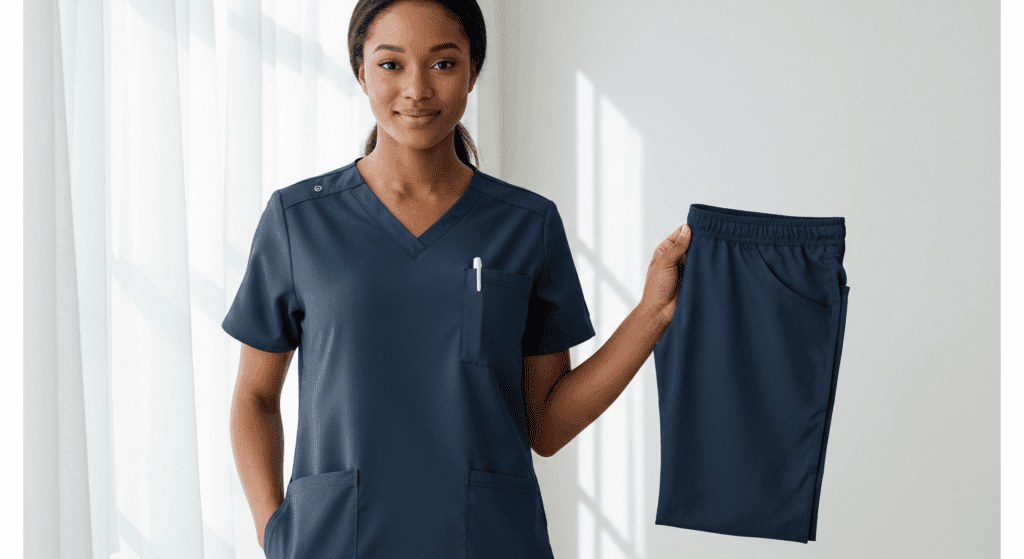
Being a caregiver is one of the most important jobs there is. You help someone with their daily life, from cooking meals to offering a comforting hand. But with all the bending, lifting, and moving, have you ever stopped to think about what should a caregiver wear? Your clothes can make a big difference in your day, affecting your safety, comfort, and even your confidence.This guide will answer the simple but important question: what should a caregiver wear? We’ll talk about clothes that keep you safe, comfortable, and ready for anything. Let’s get started!
Why What You Wear Really Matters
You might think, “Clothes are just clothes.” But for a caregiver, they are like a uniform or a set of tools. The right outfit can help you in three big ways:
- Safety: For you and the person you care for. This is the most important part.
- Comfort: You move a lot! Your clothes need to move with you.
- Confidence: When you feel good in what you’re wearing, it shows in your work.
The Golden Rules of Caregiver Clothing
Think of these rules every time you get dressed for your caregiving day.
Rule #1: Comfort is King (or Queen!)
You will be bending, reaching, squatting, and maybe even running. Your clothes must not get in your way. When deciding what should a caregiver wear, prioritize movement.
- Move With You: Choose clothes with some stretch. Look for materials like cotton blends with a little spandex or elastane.
- Not Too Tight, Not Too Loose: Clothes that are too tight can rip and make it hard to move. Clothes that are too loose can get caught on things or be a tripping hazard. Fitted but flexible is the goal.
Rule #2: Choose Safe and Simple
Safety is the top priority for everyone. A key part of what should a caregiver wear involves avoiding hazards.
- Avoid Dangly Things: Say no to long necklaces, loose bracelets, or long scarves. They can get caught on a wheelchair or be grabbed accidentally, which could hurt you or your client.
- Skip the Bling: Big rings with raised stones can scratch fragile skin during dressing or transferring someone.
- Secure Your Hair: If you have long hair, tie it back. It keeps it out of your face and is more hygienic.
Rule #3: Think About the Fabrics
The material of your clothes is a big deal. You want fabrics that are:
- Breathable: Cotton, linen, and bamboo are great. They let air flow and keep you from getting too hot and sweaty.
- Easy to Wash: You will likely get spills, dirt, or other messes on you. Your clothes should be machine washable and dryer-friendly. No “dry clean only” items!
- Stain-Resistant (a bonus!): Darker colors or prints (like a small pattern) can hide stains better than solid light colors.
Rule #4: Footwear is Everything
Your shoes might be the most important part of your outfit. You are on your feet all day! The answer to what should a caregiver wear on their feet is non-negotiable.
- Closed-Toe Shoes: Always wear closed-toe shoes. This protects your feet if you drop something heavy, like a medicine bottle or a can of food.
- Non-Slip Soles: Look for shoes with good grip. A non-slip sole prevents you from slipping on spills—which is common with water, food, or lotions.
- Support and Comfort: You need arch support and cushioning. Good brands are Skechers, Clarks, Dansko, or any quality athletic shoe. Your back and feet will thank you at the end of the day.
Building the Perfect Caregiver Wardrobe
So, what does this look like in real life? Here are some perfect clothing items to have in your closet when considering what should a caregiver wear.
Tops: The Foundation
- Polo Shirts: They are classic, professional-looking, and made of comfortable, easy-wash material.
- Soft Knit T-Shirts: A simple, high-quality tee in a dark color is a workhorse. Choose V-necks or crewnecks without loud logos.
- Button-Down Shirts: A casual button-down shirt (like flannel or cotton) is great. You can easily take it off if you get hot, and the long sleeves can protect your arms from scratches.
Bottoms: Ready for Action
- Stretchy Pants: This is the number one choice for most caregivers. Yoga pants, leggings, or jersey pants are fantastic because they are made to move. Just make sure they are opaque (not see-through!).
- Machine-Washable Khakis: Many brands now make khaki-style pants with stretchy material. They look a bit more professional but are still super comfortable.
- Durable Jeans: A pair of soft, stretchy jeans without rips or holes can be a good option for some days.
Layers are Your Best Friend
Temperatures can change quickly. A client’s home might be warm, but then you might need to take them outside where it’s chilly.
- Cardigans or Zip-Up Hoodies: Easy to put on and take off.
- Vests: A sleeveless vest keeps your core warm but lets your arms move freely.
The Right Underwear Matters Too
- A Supportive Sports Bra: For women, a good sports bra offers support and comfort during all that movement.
- Comfortable Socks: Moisture-wicking socks (like those for running) keep your feet dry and help prevent blisters.
What to Avoid Wearing
Just as important as knowing what should a caregiver wear is knowing what not to wear.
- Short Skirts or Dresses: They can be impractical and immodest when bending over or helping someone.
- Open-Toed Shoes or Sandals: Too dangerous for your feet.
- High Heels: Absolutely not. They are unsafe and bad for your posture.
- Expensive or Delicate Clothing: Save your favorite silk blouse for your day off. It will likely get ruined.
- Strong Perfumes or Colognes: Many older adults or those with illnesses can have sensitive noses. Strong smells can make them feel sick.
Dressing for Specific Situations
Most days, the outfit above will work. But sometimes, you need a special outfit. The specifics of what should a caregiver wear can change with the task.
- Helping with Bathing: Wear a waterproof apron to keep your clothes dry. Have a spare set of clothes in your car, just in case.
- Medical Tasks: If you’re changing bandages or helping with wound care, you might need to wear disposable gloves. Short sleeves make this easier.
- Going Out: If you take your client to a doctor’s appointment or to lunch, you might want to look a bit more polished. A nice polo shirt and clean, dark stretchy pants are perfect.
A Note on Appearance and Respect
Dressing neatly and appropriately shows respect for yourself and the person you are caring for. It helps build trust and shows you take your role seriously. Looking clean and put-together can also boost your own mood and confidence.
FAQ: Your Questions Answered
Q: Can I wear scrubs as a caregiver?
A: Yes! Scrubs are an excellent choice. They are designed for healthcare work—comfortable, durable, easy to wash, and have pockets! Many home caregivers love wearing scrubs. The National Institute of Health has resources on standard healthcare attire.
Q: How many outfits do I really need?
A: It’s good to have at least 5-7 outfits you can rotate. This means you always have a clean pair of pants and shirt ready, even on busy weeks. The AGS Health in Aging Foundation offers tips for caregivers on managing their time and tasks.
Q: What about jewelry?
A: Small, simple stud earrings and a plain wedding band are usually fine. It’s best to avoid everything else for safety and hygiene. The Occupational Safety and Health Administration (OSHA) has guidelines on workplace safety that can apply to home caregiving.
Q: Where can I buy good caregiver clothes?
A: Many people find great options at stores like:
- Old Navy, Target, Walmart (for affordable stretchy pants and tees)
- Scrubs stores or online sites like Uniform Advantage
- Kohls, JCPenney (for polo shirts and khakis)
- Sketchers or Famous Footwear (for shoes)
By the Numbers: Why This Stuff is Important
- Falls are a major risk: According to the National Institute for Occupational Safety and Health (NIOSH), caregivers have one of the highest rates of work-related injuries, often from overexertion or falls. The right shoes and non-restrictive clothing can help prevent this.
- Back pain is common: A study in the American Journal of Industrial Medicine found that a large percentage of home health aides report chronic back pain. Clothing that allows for free and easy movement is a simple way to help protect your body. The American Physical Therapy Association provides resources on preventing back injury.
- Comfort boosts mood: Psychology tells us that what we wear affects how we feel. This is called “enclothed cognition.” Wearing comfortable, functional clothes can actually help you feel more positive and capable during a challenging day. The American Psychological Association discusses this phenomenon.
Conclusion: Dress for a Successful Day
There is no single “right” outfit for every caregiver. But by following these simple rules—comfort, safety, simple fabrics, and great shoes—you can choose clothes that help you do your best work. Remember, your well-being is just as important as the person you care for. Dressing right is a simple but powerful way to protect your body, feel good, and provide the excellent care that you are known for. For more support and community, organizations like the Family Caregiver Alliance and the AARP Caregiving Resource Center are invaluable. You’ve got this!
About the Author: This article was written by a team with experience in the healthcare and caregiving field. Our goal is to provide practical, trustworthy, and helpful advice to make the vital work of caregiving a little easier. We base our recommendations on safety guidelines from sources like the CDC and World Health Organization, professional experience, and the shared wisdom of the caregiving community.
