Photo by SHVETS production
Caring for a disabled spouse changes your life in ways you never expected. Daily routines help you manage the work, reduce stress, and protect your own health. Without a structure, the responsibilities feel heavy. With one, you know what to do, when to do it, and how to keep the day steady.
If you want to know how to become a caregiver for a disabled spouse at home, start by building simple habits. Routines give you and your partner consistency. They also create space for your own well-being, which matters just as much.
Caring for a Disabled Spouse: Why Routines Make Life Easier
Disability brings uncertainty. Routines bring stability. When your spouse knows what happens next, meals, medication, or exercise they feel calmer. You also save mental energy because you don’t have to decide everything on the spot.
Think of routines as a backbone. They hold the day together. Even when something unexpected happens, you have a framework that keeps you from falling apart.
Start the Day with a Clear Rhythm
Mornings set the tone. When you handle the first few hours with order, the rest of the day flows better.
- Wake your spouse gently. Give them time.
- Handle hygiene needs before breakfast.
- Serve a steady breakfast. Link it with medication.
- Add light stretches if your spouse’s doctor approves.
These simple steps reduce rushing, anxiety, and frustration. You both start the day with clarity.
Keep Medications on Track
Medication mistakes cause problems you don’t want. Build a system you can trust.
- Use a pill box with clear labels.
- Set alarms on your phone.
- Write down what’s taken and when.
You can also check trusted resources like the Mayo Clinic’s medication safety guide
for extra strategies that keep both you and your spouse safe.
Once this becomes routine, you stop second-guessing yourself. You know the job is done.

Find Encouragement in the Caregiving Journey
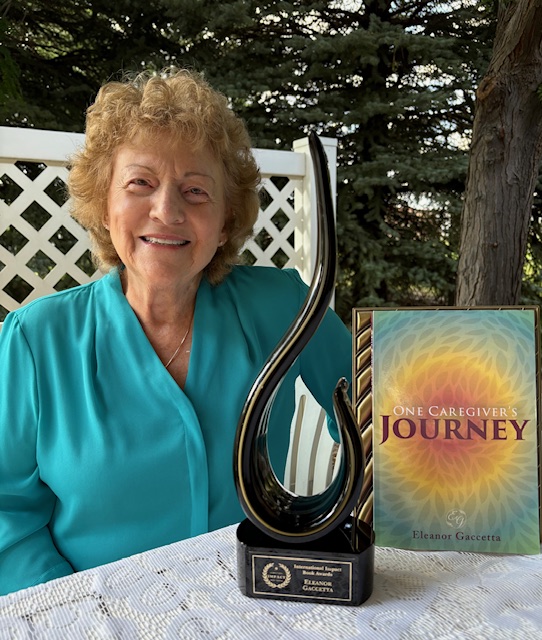
One Caregiver’s Journey
By Eleanor Gaccetta
Genre: Memoir / Family Caregiving
Caring for a loved one can bring moments of joy, exhaustion, and uncertainty. In One Caregiver’s Journey, Eleanor Gaccetta shares heartfelt memories, humor, and practical insights from nine and a half years of caring for her mother. Discover a personal story that reminds caregivers they are not alone.
Find Your Copy on AmazonPlan Meals Ahead
Food fuels your spouse’s health and keeps your energy steady too. Planning prevents last-minute stress.
Write a weekly menu. Batch cook and freeze meals. Choose dishes your spouse enjoys but that also meet their dietary needs. Ask for their input. Even choosing between two options gives them control and dignity.
Manage the House in Small Pieces
Caregiving takes time, so housework often slips. Break it down.
- Do laundry on set days.
- Clean one room at a time.
- Spread tasks over the week.
Don’t wait for chores to pile up. Small efforts each day keep your space calm and manageable.
Check in Emotionally
Your spouse needs more than food and medicine. They need to be engaged with human connection. Set moments in the day to check in. Share stories. Watch a show together. Sit quietly.
These check-ins remind both of you that caregiving is still about love, not just duties.
Organize Appointments and Therapy
Appointments add pressure when they’re scattered. Keep them organized.
- Use one calendar for everything.
- Store papers and cards in one folder.
- Pair appointments with errands to save trips.
This approach saves energy and makes time management for family caregivers easier to handle.
Close the Day with Calm
Evenings matter. A steady routine helps your spouse relax.
- Take care of hygiene.
- Stick to a set bedtime.
- End the day with quiet music, reading, or prayer.
When sleep becomes predictable, both of you feel stronger the next day.
Don’t Forget Yourself
You can’t care for your spouse if you don’t care for yourself. Build your own routine.
- Eat real meals, not scraps.
- Drink enough water.
- Move your body, even if it’s just a walk.
- Call or text a friend.
Protect your health so you can keep showing up for your partner.
Be Flexible
Routines keep you steady, but life still interrupts. Appointments shift. Illness flares up. You feel tired. That’s real.
Don’t see routine as strict rules. See it as a net that catches you. Adjust when you need to. Pick it back up when you can.
Involve Your Spouse
Your spouse isn’t just someone you care for. They’re still your partner. Give them choices. Let them decide what shirt to wear, what to eat, or which show to watch. Small decisions help them feel in control. It also keeps your relationship equal and respectful.
Use Simple Tools
Tools save time and stress. Add what makes sense for your home:
- Grab bars in the bathroom.
- Non-slip mats on floors.
- Utensils that are designed for easier grip.
- Voice-controlled devices for reminders.
These small changes reduce accidents and give your spouse more independence. That’s one of the best home care tips for disabled partner routines.

When you strip it down, caring for a disabled spouse is a shared journey. It’s hard. It’s exhausting. It’s also deeply personal. Routines make the work lighter, but love holds it together.
Still, routines don’t answer every question. They don’t prepare you for the loneliness that can creep in at night or the frustration that builds when you feel stretched too thin. That’s why hearing from someone who has lived it matters.
One story that speaks to caregivers comes from Eleanor Gaccetta in One Caregiver’s Journey. She cared for her mother, around the clock, for more than nine years. Her writing doesn’t sugarcoat what it means to dedicate yourself fully to another person. She shares the hard days, the tender moments, and the lessons she learned about patience, resilience, and love.
Reading her memoir feels like listening to someone who’s walked this same road and understands the weight you carry. She doesn’t just share her story. In substance, she gives you a sense of how to keep moving forward, even on the days you feel drained.
If you ever feel like no one understands what it’s like to give 24/7 care, her book reminds you that you’re not alone. It’s not a manual filled with rules—it’s a companion for the journey. And sometimes, that’s what you need most: the voice of someone who’s been there, reassuring you that you can keep going.
So if you want support that feels personal, practical, and real, pick up a copy of One Caregiver’s Journey. It’s more than a memoir. Truth is, it’s a lifeline for anyone learning how to live this role day after day.