Image Source: Freepik
Managing doctor visits as a caregiver can feel like trying to juggle flaming torches while riding a unicycle—overwhelming doesn’t even begin to cover it.
Between coordinating schedules, remembering medications, and translating medical jargon, these appointments often feel more stressful than helpful.
The thing is, doctor visits as a caregiver aren’t just about showing up and letting the medical team take over. Caregivers become the bridge between their loved one’s daily reality and the clinical world of healthcare. It’s a role that nobody really prepares anyone for, yet millions find themselves navigating these waters every single day.
The Emotional Reality of Medical Appointments
Walking into a doctor’s office as a caregiver brings a unique slate of emotions. There’s the hope that today’s visit will bring answers, mixed with anxiety about what those answers might be. Sometimes there’s guilt, wondering if symptoms were missed or if something could have been done differently.
The first few appointments can feel particularly overwhelming. Despite careful preparation, medical terminology flies around the room while trying to process complex information and stay emotionally present for a loved one. The person being cared for might become confused, scared, or even hostile in medical settings, leaving caregivers to navigate both the medical discussion and emotional support simultaneously.
These moments are more common than anyone talks about. The pressure to ask the right questions, remember important details, and make sense of treatment options while watching a loved one struggle can feel crushing.

Find Encouragement in the Caregiving Journey
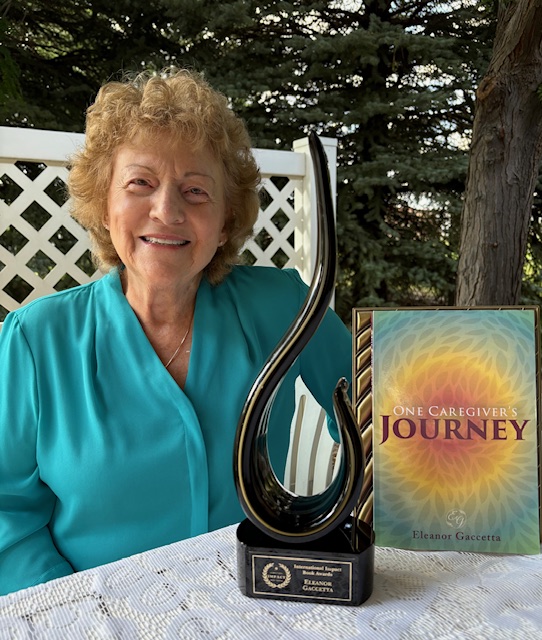
One Caregiver’s Journey
By Eleanor Gaccetta
Genre: Memoir / Family Caregiving
Caring for a loved one can bring moments of joy, exhaustion, and uncertainty. In One Caregiver’s Journey, Eleanor Gaccetta shares heartfelt memories, humor, and practical insights from nine and a half years of caring for her mother. Discover a personal story that reminds caregivers they are not alone.
Find Your Copy on AmazonCreating a Doctor Visit Checklist That Actually Works
Forget those pristine checklists that look like they belong in medical textbooks. Real-world doctor visit checklists get crumpled in purses, covered in grocery lists, and sometimes completely forgotten at home. The trick isn’t perfection—it’s having something better than relying on memory alone.
Start with survival basics: insurance information, current medications (including those random vitamins and supplements), and recent test results if they exist. But here’s where it gets tricky—the most important information often isn’t written down anywhere to be official.
Those weird patterns that only caregivers notice matter more than anyone realizes. The way confusion gets worse after certain meals. How pain levels seem connected to weather changes. The subtle personality shifts that happen before obvious symptoms appear. These observations fill in crucial blanks that medical tests can’t measure.
Keep tracking simple because complicated systems never get used consistently. A basic notebook works better than fancy apps that require internet connections and password resets at the worst possible moments.
Caregiver Doctor Visit Tips for Surviving the Chaos
Preparation helps, but flexibility saves sanity. Arrive early because medical offices run on their own mysterious timeline, but pack entertainment and snacks because waiting happens—lots of waiting.
Bring backup when possible because two heads really are better than one, especially when dealing with medical information overload. That extra person catches details that get missed while juggling emotional support and note-taking duties.
Here’s something nobody mentions: it’s perfectly acceptable to ask doctors to slow down, repeat information, or explain things differently. Most medical professionals appreciate caregivers who speak up rather than nodding along while completely lost. The phrase “Can you break that down for me?” becomes invaluable during these appointments.
Don’t feel guilty about taking notes or recording conversations (with permission). Memory becomes unreliable under stress, and important medical information deserves better than hoping everything gets remembered correctly later.
When Things Don’t Go According to Plan
Some appointments will be disasters, and that’s completely normal. The person being cared for might refuse to cooperate, have a panic attack, or simply have an off day. Emergency situations can arise. Sometimes the doctor is running hours behind, test results get lost, or insurance issues pop up unexpectedly.
Rather than forcing difficult situations, consider rescheduling when the person being cared for might be calmer or more receptive. Medical staff typically appreciate honesty about challenging days, and flexibility often leads to better outcomes for everyone involved.
Creating Connections Beyond the Exam Room
Healthcare becomes less intimidating when it feels less anonymous. Getting to know the office staff, even just exchanging pleasantries, can make a huge difference. The receptionist who remembers preferred appointment times, or the nurse who always asks about family, transforms a sterile medical environment into something more human.
These relationships matter during crises too. When medical emergencies arise, familiar voices on the phone can help coordinate care without the usual bureaucratic delays. Building these connections takes minimal effort but pays dividends when things get complicated.
The Aftermath Nobody Talks About
Medical appointments don’t end when leaving the building. There’s usually homework: prescriptions to fill, specialists to contact, lifestyle changes to implement, or test results to chase down. Sometimes there are difficult conversations to have with family about prognosis, treatment options, or quality-of-life decisions.
This is where a practical caregiver prep guide becomes essential. Having systems for tracking follow-up tasks, medication changes, and new care instructions prevents important details from falling through cracks. Keep it simple enough to actually use consistently—complexity kills good intentions.
Managing the Emotional Toll: Doctor Visits as a Caregiver
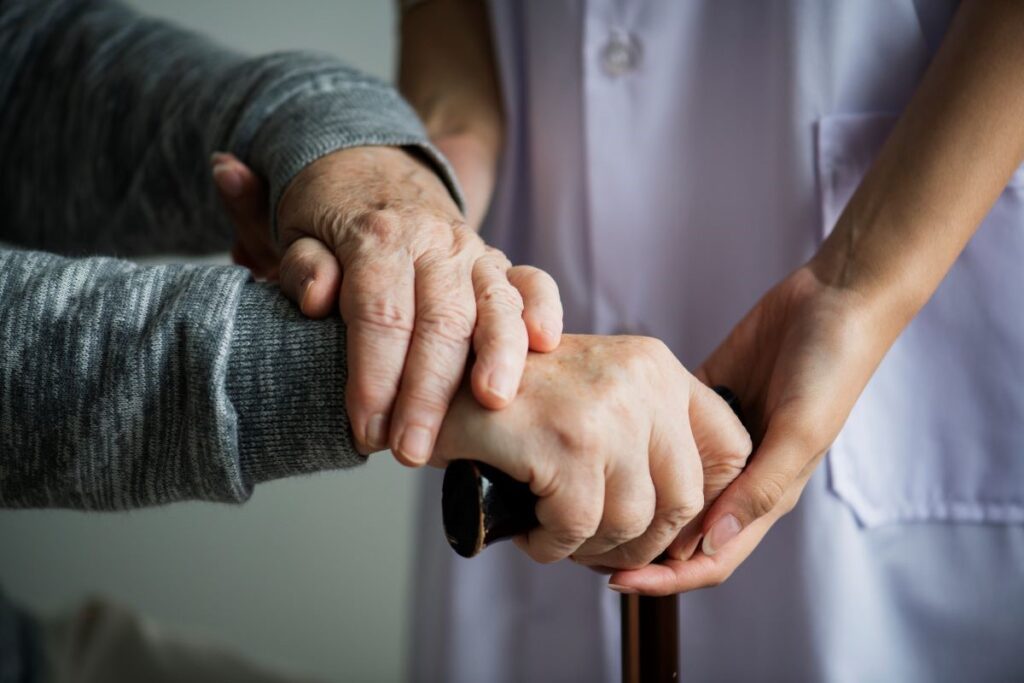
Let’s talk about the feelings nobody wants to discuss. Doctor visits as a caregiver can trigger everything from overwhelming sadness to burning frustration to complete emotional numbness. Watching loved ones struggle with health issues while trying to stay strong and make rational decisions creates an impossible emotional balancing act.
Those “good caregiver” expectations don’t leave room for normal human reactions like wanting to scream at insurance companies, feeling resentful about lost freedom, or grieving the person someone used to be. These feelings are completely normal and don’t make anyone a bad caregiver—they make them human.
The exhaustion is real too. Physical fatigue from constant vigilance combines with emotional drain from making difficult decisions and watching loved ones suffer. Some days, just showing up to medical appointments feels like a major victory.
Read also: Understanding Caregiver Burnout and Compassion Fatigue
Navigating doctor visits as a caregiver gets easier with experience, but it never becomes effortless. The challenges evolve, the stakes feel higher, and the emotional weight can become overwhelming. During these moments, connecting with others who truly understand the journey makes all the difference.
Eleanor Gaccetta’s “One Caregiver’s Journey” speaks directly to this reality. Her honest memoir about caring for her mother for nearly a decade doesn’t sugarcoat the difficult parts or pretend caregiving is always rewarding. Instead, she shares the messy, complicated truth about medical appointments, family dynamics, and the daily realities that textbooks never mention.
For caregivers seeking guidance from someone who’s navigated these same challenges, “One Caregiver’s Journey” serves as both roadmap and companion. Eleanor’s storytelling makes readers feel like they’re sitting across from a trusted friend who’s ready to share hard-earned insights about the path ahead.
Grab a copy of Eleanor Gaccetta’s “One Caregiver’s Journey” today. While at it, check out another article about advocating for yourself as a caregiver.