
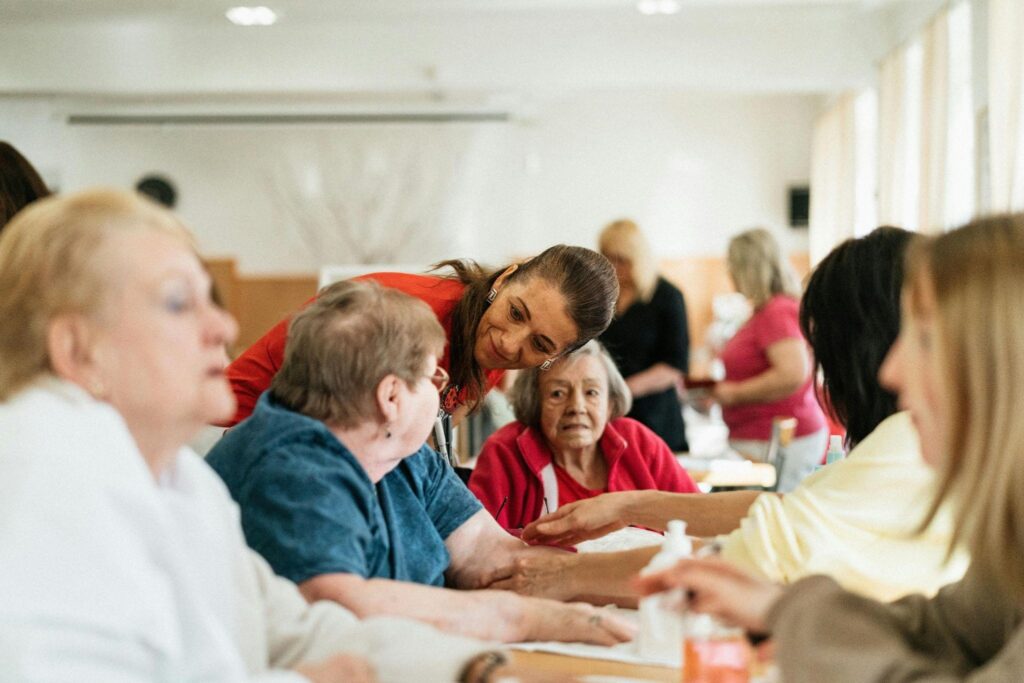
Photo by Jsme MILA
Caring for someone you love is one of the most meaningful things you can do. It is also one of the most demanding. Many caregivers find that, over time, their world begins to shrink. Friends drift away, phone calls become rare, and days blend into each other.
That is why finding ways to help caregivers overcome isolation is so important. Social connection is not just “something nice to have.” It can be the lifeline that keeps you steady through the long, hard stretches of caregiving.
The Strain of Caregiving: Help Caregivers Overcome Isolation
When you are a caregiver, your attention is almost always on someone else. You are watching for their needs, listening for their calls, and adjusting your day to match theirs. You may go hours without speaking to another adult about anything that is not related to caregiving.
This slow separation from your own social life can feel like a weight you cannot name. That is why overcoming caregiver isolation with social activities is such an essential step. It is about restoring a part of yourself that caregiving alone cannot fill.
Caregivers who take part in regular activities often notice small shifts at first. A lighter mood. More patience. A spark of energy that was missing before. Sometimes, just sitting in a room with people who understand can feel like taking a deep, needed breath.
Why Social Activities Matter for Caregivers
Humans are made for connection. We all need conversation, laughter, and the simple comfort of being around others. Caregivers often sacrifice that part of life without even realizing it. The days fill up, the needs pile on, and before long, your own relationships fade into the background.
Social activities give you a chance to step back into the world. They remind you that you are more than your caregiving role. They give you moments where you are not defined by appointments, medication schedules, or responsibilities. You can just be yourself.
This could be an hour at a painting class, a morning walk with a neighbor, or a coffee date with someone who listens without judgment. It is not about doing something grand. It is about reconnecting to the simple pleasure of being part of life beyond caregiving.
For practical tips and programs that support caregivers in building social connections, you can explore the AARP Caregiver Resource Center which offers tools, guidance, and local event information.
Activities That Can Make a Real Difference
You do not have to fill your calendar to see the benefits. Even small, regular connections can help you feel less alone. Some caregivers find these activities especially helpful:
- Support groups – A place where people “get it” without you having to explain every detail.
- Hobby clubs – Painting, knitting, playing music, or gardening can bring joy and calm.
- Exercise classes – Walking groups, gentle yoga, or stretching sessions that lift both body and mind.
- Volunteering – Helping others reminds you that your skills and heart matter in many ways.
- Casual meetups – A simple lunch or coffee with someone you trust can be deeply healing.
Each of these choices can help caregivers overcome isolation while also offering a break from the emotional weight of daily care.
Building Caregiver Social Connection
To really feel the difference, connection needs to be part of your regular life. One nice outing can lift your mood for a day, but a steady pattern of social time creates lasting strength. Building a caregiver social connection means creating a network of people you can count on and who can count on you.
Support works both ways. You can share your own stories, advice, and encouragement. And in return, you receive understanding and care when you need it most. This mutual exchange can make you feel rooted again.
Activities for Caregiver Stress Relief: Help Caregivers Overcome Isolation
Social activities are not only about easing loneliness. They also offer moments of rest for the mind and body. Taking part in activities for caregiver stress relief can help you release tension, think more clearly, and return to caregiving with a calmer heart.
You might find yourself laughing in a card game with friends. You might get lost in the colors of a painting project. You might simply sit beside someone in comfortable silence. These small, ordinary moments can restore you more than you expect.
Overcoming the Barriers to Joining In
It is common for caregivers to feel guilty about stepping away, even for a short time. You might worry that your loved one will feel abandoned or that something will go wrong in your absence. Others may wonder how to even find the time.
These feelings are natural, but remember this: taking care of yourself is part of taking care of your loved one. A tired, lonely, and worn-down caregiver cannot give the same quality of care as one who is supported and refreshed.
If joining a group feels overwhelming, start small. Call a friend. Attend one short meeting. Try an online activity that lets you connect without leaving home. Each step counts. You can also explore respite care options in your community. Many organizations offer short-term help so caregivers can have a few hours for personal needs.
The Ripple Effect of Staying Connected
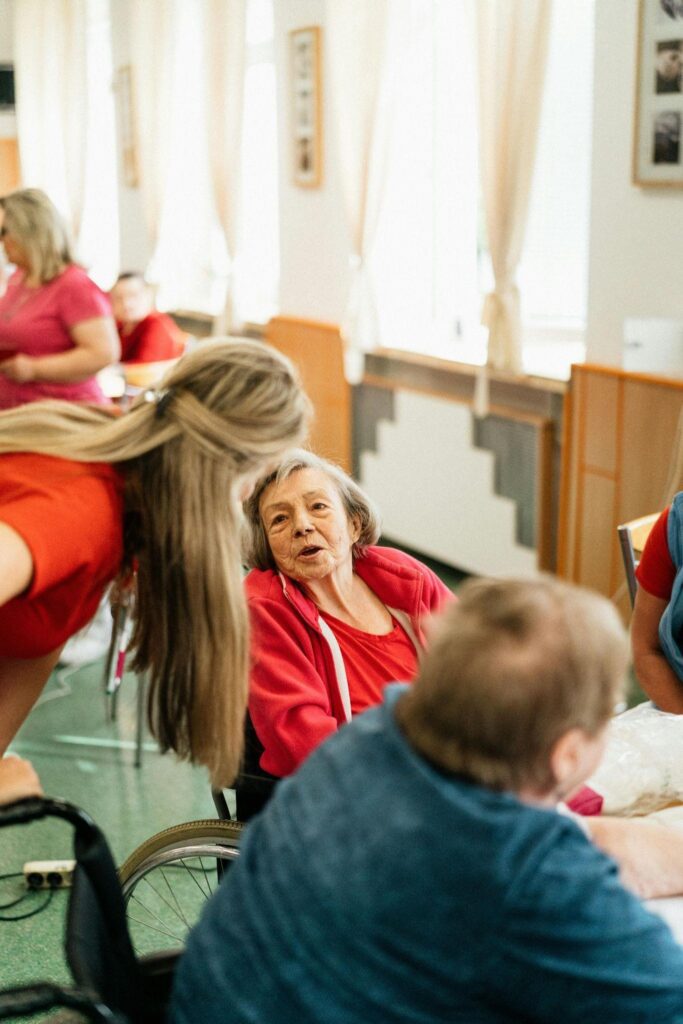
Photo by Jsme MILA | A woman assists an elderly woman at a table.
When caregivers keep up their connections, the benefits are felt at home too. Loved ones often sense the change. They may notice more patience, gentler interactions, and a calmer tone. Regular connection can also help you avoid burnout, which protects your ability to provide care in the long run.
Sharing your experiences in community settings also helps others understand the realities of caregiving. This can lead to more support, better resources, and a culture that values caregivers instead of leaving them to cope alone. Thus, social activities indeed help caregivers overcome isolation.
Sometimes, the most powerful connections come from simply hearing another caregiver’s story. It can be comforting to know you are not the only one feeling a certain way. Shared stories can offer hope, practical ideas, or even just the relief of being understood.
Books can be another source of this kind of connection. One Caregiver’s Journey by Eleanor Gaccetta is one such companion. If you are a caregiver or preparing to become one, this book will feel like sitting in the author’s living room, listening to her share her nine-and-a-half-year experience caring for her mother until she passed away at the age of 102.
Eleanor is full of insight that comes only from living through the challenges and rewards of caregiving. She offers practical suggestions for daily life, reflections that will make you think, and moments that will make you smile. It is a memoir and a guide for anyone walking this path.
Grab a copy of Eleanor Gaccetta’s One Caregiver’s Journey today.

