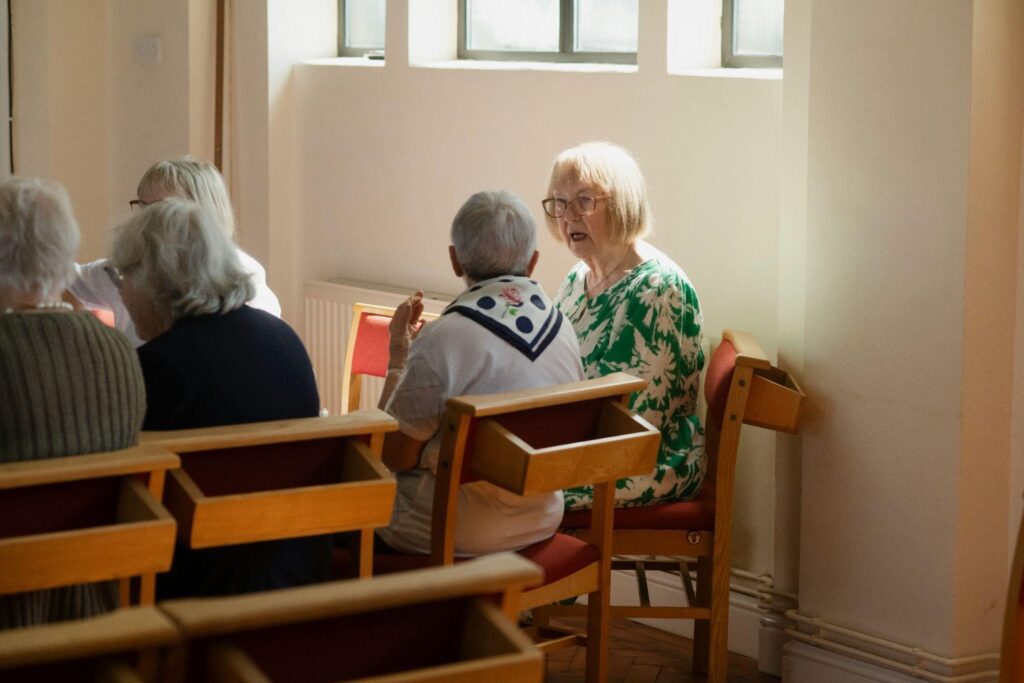
Photo by Age Cymru on Unsplash
Dementia is not a single moment. In essence, it unfolds in stages, each bringing new challenges. From early forgetfulness to severe decline, the road is long and often lonely. Yet those who walk it do not need to do so alone.
Caregiver support groups for Alzheimer’s and dementia create vital connections for people who shoulder daily responsibility. These groups are lifelines that help people understand medical needs, emotional strain, and the subtle ways dementia changes relationships. Support groups in navigating dementia bring together people who have been there, and who know how it feels to sit across from a loved one and realize that recognition is fading.
Why Support Groups Matter
Dementia changes how families live. It can turn a spouse into a nurse, a child into a caretaker, and a home into a round-the-clock care center. Isolation is common. Many caregivers feel invisible, cut off from the outside world. Support groups in navigating dementia give them a place to be heard.
These groups do more than offer sympathy. They provide knowledge about dementia caregiver resources, strategies for daily care, and a sense of shared endurance. As Eleanor Gaccetta reflects, “Caregiving, like aging, is not for sissies. It is a gig that gives joy and mandates that you gather strength from whatever sources are available.”
Support groups in navigating dementia allow that strength to come not only from within but from others who walk the same path.
Early Stage Dementia: Finding Ground Together
The first stage of dementia often looks like normal aging. Repeated questions, misplaced items, and trouble remembering names can be brushed aside. For families, denial is easier than acceptance. But early-stage dementia is the right time to prepare.
Support groups in navigating dementia give families a place to face the diagnosis together. Here, caregivers learn how to talk to doctors, what paperwork to complete, and how to prepare for the future. Families discuss family support for dementia care, such as sharing household responsibilities, planning living arrangements, and balancing work with caregiving.
One of Eleanor’s realizations in her memoir resonates deeply here: “At some point in their journey, every caregiver will ask themselves, ‘When did I go from being the adult child to the parent?’” Support groups in navigating dementia help answer this question with honesty and compassion.

Find Encouragement in the Caregiving Journey
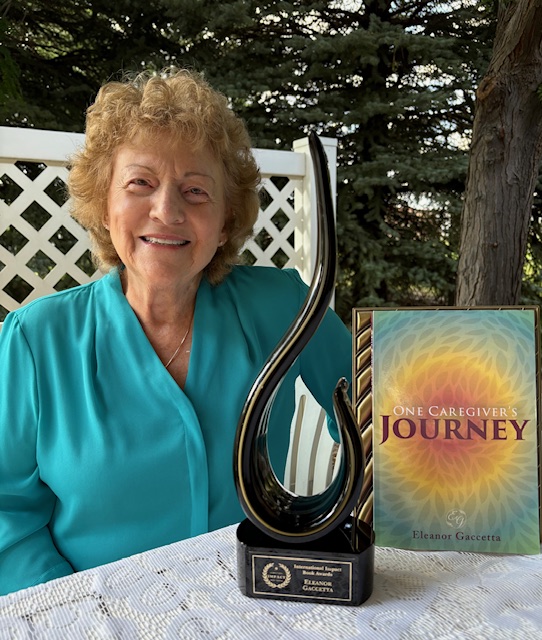
One Caregiver’s Journey
By Eleanor Gaccetta
Genre: Memoir / Family Caregiving
Caring for a loved one can bring moments of joy, exhaustion, and uncertainty. In One Caregiver’s Journey, Eleanor Gaccetta shares heartfelt memories, humor, and practical insights from nine and a half years of caring for her mother. Discover a personal story that reminds caregivers they are not alone.
Find Your Copy on AmazonMiddle Stage Dementia: Facing Daily Strain
The middle stage is the longest and most demanding. Confusion deepens, moods shift, and the person may wander or forget family members. Caregivers find themselves on call around the clock. Fatigue, stress, and isolation grow.
This is where support groups in navigating dementia play their strongest role. Members share practical solutions for daily care:
- How to redirect someone who becomes agitated.
- How to manage personal hygiene when resistance grows.
- How to adapt meals and schedules for consistency.
- How to balance supervision with brief moments of rest.
Eleanor captures this stage well when she writes: “Some would ask, ‘How hard can it be to take care of someone who sits and sings in Italian to the Blessed Virgin Mary all day.’ Caregiving doesn’t mean you don’t have time to sit and eat bonbons at all but being responsible for someone else is serious stuff and if you do it right, it can make for a long day.”
Support groups in navigating dementia normalize that long day. They remind caregivers that exhaustion and frustration do not mean failure.
Late Stage Dementia: Holding On With Support
In the late stage, dementia erases recognition, speech, and independence. Caregivers become the hands, feet, and voices of their loved ones. This stage demands physical care: feeding, lifting, toileting, and constant monitoring. It also brings heavy emotional weight.
Support groups in navigating dementia help caregivers endure the losses. They offer guidance on hospice, end-of-life care, and making difficult decisions with dignity.
Eleanor’s reflection echoes here: “The journey ends for us all at some point and nobody gets out of this world alive. An important part of being a caregiver is fully understanding that the gig will eventually end, either with the death of your loved one or with the patient being unable to continue living with you.”
Groups provide a safe place to face this truth while also holding on to love.
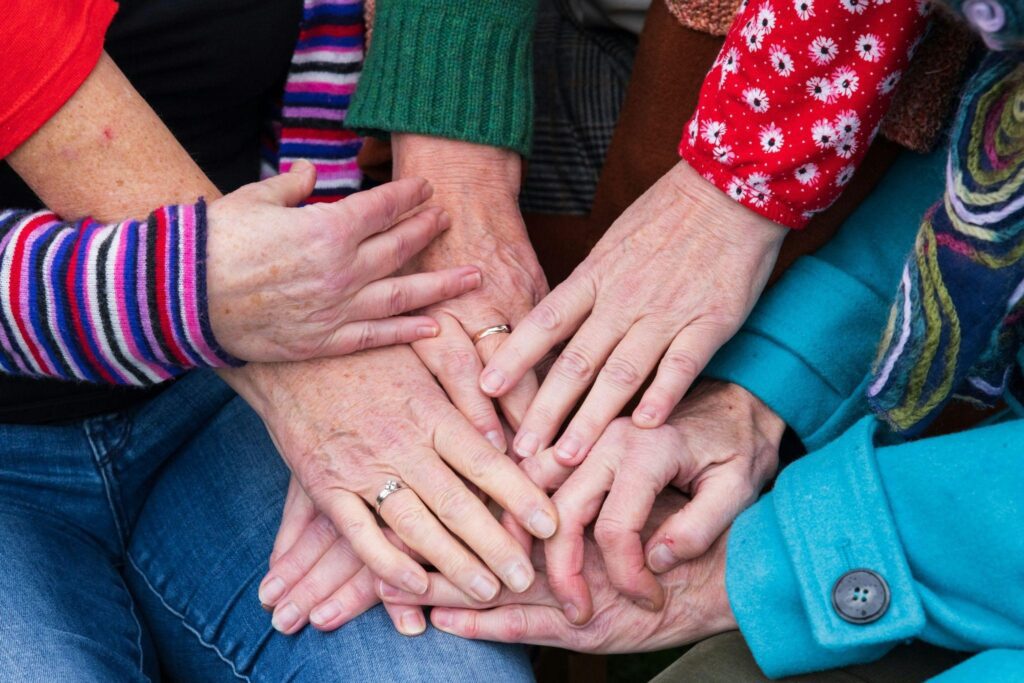
Photo by Filipp Romanovski on Unsplash | Group of hands stacked together symbolizing unity in support groups.
How Groups Create Strength
Support groups in navigating dementia work because they combine information with human connection. Doctors provide medical facts, but groups explain what those facts feel like in daily life. Friends may offer sympathy, but only fellow caregivers know the exhaustion of helping someone dress three times a day or answering the same question for hours.
As Eleanor writes: “You must be honest with yourself because not everyone is cut out to be a caregiver. Not everyone can meet the demands and accept living in virtual isolation by giving up their lives.” In support groups, caregivers find those rare few who understand and do not judge.
Virtual Support: Help at Home
Not every caregiver can leave home to attend meetings. Online and phone-based support groups have expanded access. Support groups in navigating dementia now exist on video calls, forums, and social media spaces. These options give caregivers a way to connect from their own homes, even at odd hours.
Eleanor’s own words remind us why access matters: “Forget getting seven to eight hours of sleep a night if you’re a caregiver—it doesn’t happen. Ever!” For those exhausted nights, a virtual group can be a lifeline.
The Cost of Silence
Without support, many caregivers burn out. They may neglect their own health, lose jobs, or fall into depression. Some withdraw entirely from friends and extended family. Silence carries a cost.
Support groups in navigating dementia interrupt this silence. They replace loneliness with connection. They replace confusion with shared strategies. They remind caregivers that their struggle is recognized and that their love matters.
Building a Network Beyond Groups
Support groups are a foundation, but caregivers also need extended networks. Churches, community centers, and healthcare providers can all play roles. Combining groups with outside services creates a stronger web of care.
Eleanor’s experience highlights this truth: “Your circle of friends will become much smaller once you become a caregiver… Unless you’re happy in your own skin, you can’t be happy in a crowd.” Support groups in navigating dementia help rebuild that sense of community in new ways.
A Lifeline for the Caregiver
Dementia caregiving is not only about the patient. The caregiver’s well-being matters, too. Without rest and support, caregivers risk illness or collapse. Groups serve as a lifeline by helping people preserve their own health.
Support groups in navigating dementia remind caregivers that self-care is not selfish. It is essential. Eleanor puts it simply: “This isn’t about how you feel, so get over it. This is not about you.”
Stories That Carry Forward
Every support group meeting is filled with stories. Some are heartbreaking. Some are funny. All are human. These stories connect strangers and turn them into allies. Support groups in navigating dementia are built on lived experience—knowledge that cannot be found in manuals.
Eleanor’s book captures this feeling: “If there are no smiles in a caregiver’s home, something needs to change. If there is no respect or love, then it is time to find another job.” Caregivers carry these words forward, learning to see meaning in the smallest of moments.
Dementia is relentless, but no one must face it in silence. Support groups in navigating dementia provide community, knowledge, and strength at every stage. They are not a cure, but they are a guide through uncertainty. They help caregivers see that love still holds meaning even as memory fades.
For anyone walking this path, shared stories can be as healing as medical care. If you want a more personal and genuine look into caregiving, read One Caregiver’s Journey by Eleanor Gaccetta.