Photo by Jsme MILA
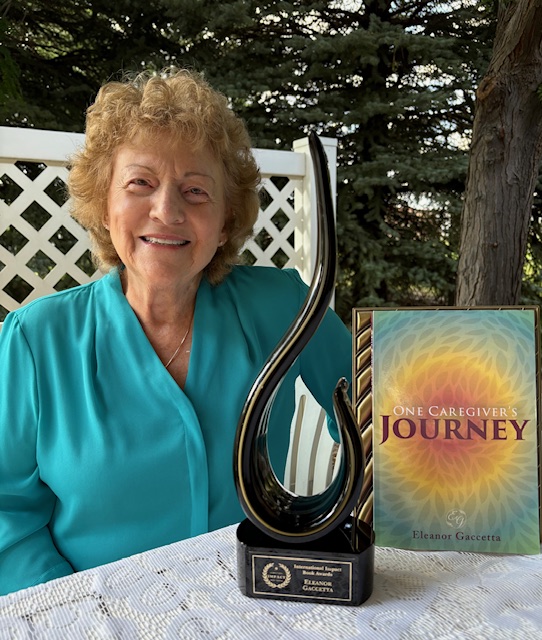
Eleanor’s guidebook for caregivers, One Caregiver’s Journey, while delivering plenty of sage advice on caregiving, also carefully dissects the heart of a caregiver.
While we do not necessarily think about caregiving as having much impact on society, it carries immense weight. Caregiving as a profession and a keystone of society encompasses a vast spectrum of responsibilities and emotions.
These are the people who assist not only with daily living activities. They also provide sick individuals with companionship and emotional support. Caregivers play a critical role in supporting individuals needing additional care. especially in challenging situations such as providing in-home care for the terminally ill. But who can become a caregiver? The answer, thankfully, is not confined to a single mold.
While the image of a professional caregiver might come to mind first, the reality is far more diverse. Let’s delve into the heart, skills, and various paths that shape who can take on this essential role.
The Heart of a Caregiver
At its core, caregiving is driven by empathy with others, compassion with hurting individuals, and a true wish to be there for others. A caregiver puts other people’s needs before their own. They foster trust and respect and are able navigators of the challenges that come with taking care of other people. This is including patience and understanding.
Beyond emotional intelligence, the heart of a caregiver makes one reliable and responsible. They are people who show up consistently when they put their word down. For them, fulfilling commitments is paramount and a very weighty deal.
The caregiver’s heart also lends well to flexibility and adaptability. A caregiver is often faced with unique situations. Situations that require them to adjust their mindset and outlook while helping them solve problems.
The heart of a caregiver also pushes an individual to become more open-minded and proactive. These greatly improve their communication skills. Remember, clear and respectful communication is absolutely essential to understanding the needs of others and building rapport with them.
Perhaps because of the strenuous circumstances that caregivers often find themselves in, the heart of a caregiver looks for people who have the physical and mental stamina to keep up with providing care for others. Caregiving can be physically demanding, and emotional resilience is crucial.
While the core qualities remain constant, the specific skills required can vary depending on the caregiving setting:
- Informal Caregiver: Assisting family members or friends often involves learning specific skills related to their needs, such as medication management or mobility assistance.
- Home Care Aide: Providing personal care, meal preparation, and light housekeeping often requires hands-on skills and basic training.
- Certified Nursing Assistant (CNA): Administering basic medical care, monitoring vital signs, and ensuring patient comfort requires certifications and specific medical knowledge.
- Registered Nurse (RN): Delivering complex medical care, coordinating treatment plans, and advocating for patients demands advanced clinical skills and a nursing degree.
Remember: Certification requirements and educational pathways vary based on location and care setting. Researching your specific area is crucial.
Paths to Becoming a Caregiver
There are plenty of ways that one responds to the heart of a caregiver, but many people begin caregiving organically, supporting loved ones as needed. This role often evolves over time, prompting them to acquire necessary skills.
Volunteering with organizations serving older adults, individuals with disabilities, or children with special needs also provides valuable experience and exposure to caregiving.
Numerous training programs, from basic personal care courses to CNA certifications, equip individuals with the necessary skills and knowledge for professional caregiving roles.
Pursuing a nursing degree opens doors to advanced caregiving positions with broader responsibilities and potentially higher earning potential.
While skills and training are important, they shouldn’t overshadow the core qualities. A passion for others, a firm, empathetic bond, and the ability to connect with others are often the most valuable assets a caregiver can possess. Beyond the tasks, caregiving is about building relationships and making a meaningful difference in someone’s life.
Who can become a caregiver? The answer lies within anyone who possesses the heart to serve, the willingness to learn, and the capacity to connect with others on a deeper level. If you find yourself drawn to this path, explore the different avenues, hone your skills, and remember, the most important qualification is the genuine desire to care.
Eleanor’s guidebook for caregivers, One Caregiver’s Journey, carefully dissects the heart of a caregiver and helps readers realize their potential as caregivers. You can learn more about Eleanor’s story in Readers Favorite Eleanor Gacetta.
FAQ: Discovering the Caregiver Within You
1. What does it mean to have the “heart of a caregiver”?
Having the “heart of a caregiver” goes beyond just performing tasks. According to the article, it’s driven by core qualities like deep empathy, compassion, and a genuine wish to be there for others. It means putting others’ needs first, fostering trust, and being a reliable, responsible, and adaptable person who can navigate challenges with patience and understanding.
2. What are the different types of caregiver roles?
The article outlines several paths, showing that caregiving is not a one-size-fits-all role. The main types include:
- Informal Caregiver: Assisting family members or friends, often learning specific skills as needed.
- Home Care Aide: Providing personal care, meal preparation, and light housekeeping.
- Certified Nursing Assistant (CNA): Administering basic medical care and monitoring vital signs, which requires specific certification.
- Registered Nurse (RN): Delivering complex medical care and coordinating treatment plans, which requires advanced clinical skills and a nursing degree.
3. I don’t have professional experience. Can I still become a caregiver?
Absolutely. The article emphasizes that many people begin caregiving organically by supporting loved ones. This role often evolves over time, prompting them to learn necessary skills. Volunteering with organizations that serve older adults or individuals with disabilities is another excellent way to gain valuable experience and explore if this path is right for you.
4. What training or education do I need to become a caregiver?
The required training depends on the specific role you pursue. The article explains there are numerous pathways, from basic personal care courses to CNA certifications for more clinical roles. For advanced positions, pursuing a nursing degree (RN) is necessary. Importantly, the article advises that certification requirements vary by location, so researching your specific area is crucial.
5. Beyond skills, what are the most important personal qualities for a caregiver?
While skills and training are important, the article stresses that they shouldn’t overshadow core personal qualities. The most valuable assets are a passion for others, a firm empathetic bond, and the ability to connect with people on a deeper level. The foundation of caregiving is about building relationships and making a meaningful difference.
6. Is caregiving a physically and emotionally demanding job?
Yes, the article acknowledges that caregiving can be both physically demanding and emotionally challenging. It requires physical stamina to keep up with the tasks and, crucially, emotional resilience to handle the strenuous circumstances that can arise. This is a key aspect of the caregiver’s heart.
7. Where can I learn more about the heart of a caregiver and this career path?
For a deeper exploration, the article highly recommends Eleanor Gaceta’s guidebook, One Caregiver’s Journey. The book is described as carefully dissecting the heart of a caregiver and helping readers realize their potential in this field. You can also learn more about the author’s story through “Readers Favorite Eleanor Gacetta.”