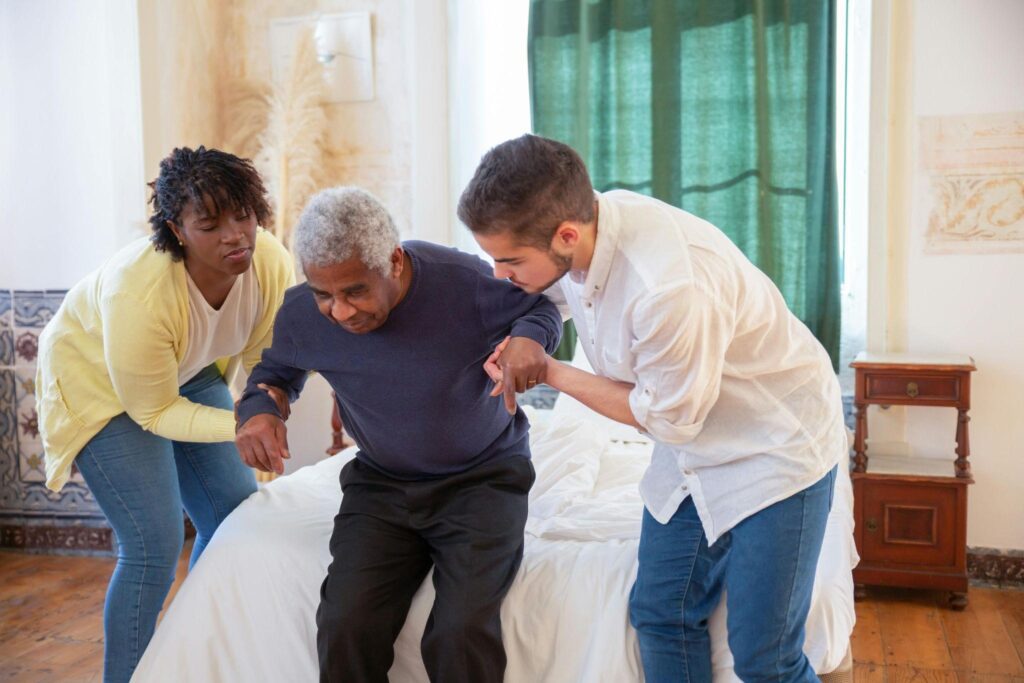
Photo by Kampus Production
Aging brings wisdom, stories, and experience. It also brings health challenges. One of the most significant is managing chronic conditions in seniors. It can feel like navigating a long and winding path. But knowing what to expect and how to act can make that path smoother both for older adults and their families.
What Are Chronic Conditions, and Why They Matter
When you think of chronic conditions, think of health issues that last months, years, or a lifetime. Common ones include diabetes, heart disease, arthritis, and COPD. These conditions don’t go away quickly. They need daily attention.
Understanding and managing senior chronic conditions is vital. Whether it’s learning how to schedule pills, manage energy, or adjust diets, understanding and managing senior chronic conditions makes a difference in comfort and quality of life.
What “Managing Chronic Conditions in Seniors” Means, Simply
“Managing chronic conditions in seniors” means:
- Learning about the health issue.
- Following your doctor’s advice.
- Staying active in safe ways.
- Eating well.
- Adapting daily routines.
- Watching for warning signs.
- Asking for help when you need it.
It’s a journey with many small steps. Each step should be clear and doable.
Why It’s Important: A Practical Take
Chronic diseases don’t just affect one part of life. They touch mood, energy, independence, and daily routines. When managing chronic conditions in seniors is done well, the benefits include:
- More energy.
- Fewer trips to the hospital.
- Better mood.
- Greater confidence.
- More days at home, where most seniors prefer to be.
Exploring Chronic Disease Management for Seniors
When we say chronic disease management for seniors, we mean helping older adults live as fully as possible despite illness. That might include:
- Medication plans.
- Goal-setting with the care team.
- Monitoring symptoms.
- Making healthy lifestyle choices.
Most importantly, it invites seniors and their loved ones to take part actively in the plan.
The Role of Elderly Care for Long-Term Conditions
Supportive care touches many areas. In elderly care for long-term conditions, it’s not just medical. It’s also emotional, social, and practical help—like:
- Friendly check-ins.
- Gentle reminders.
- Home safety adjustments.
- Peace of mind from knowing someone is there if things change.
Step-by-Step: How to Keep “Managing Chronic Conditions in Seniors” Working Well

Photo by Yaroslav Shuraev
1. Learn and Understand the Condition
Understanding the diagnosis, how it progresses, and what treatments do helps reduce fear. Ask the doctor to explain things clearly. Write things down. Keep an up-to-date list of medicines, doses, and timing.
2. Build a Reliable Routine
Seniors do best when their day is predictable. Use alarms, charts, or pill boxes. Track activities like meals, walks, hydration, and rest. Small structure keeps things running smoothly when managing chronic conditions in seniors.
(For guidance on building helpful daily routines, see “Getting Into the Rhythm: Establishing Routines For Care.”)
3. Focus on Quality of Nutrition
Balanced meals help strength, mood, and recovery. Even simple habits like adding a slice of fruit or a glass of water at breakfast help. Adjust diets based on conditions. For heart disease, lower salt. For diabetes, monitor carbs. Ask a dietitian if needed.

Find Encouragement in the Caregiving Journey
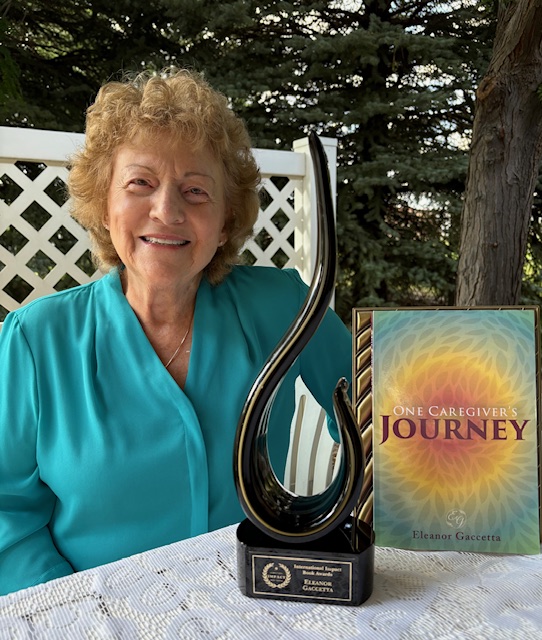
One Caregiver’s Journey
By Eleanor Gaccetta
Genre: Memoir / Family Caregiving
Caring for a loved one can bring moments of joy, exhaustion, and uncertainty. In One Caregiver’s Journey, Eleanor Gaccetta shares heartfelt memories, humor, and practical insights from nine and a half years of caring for her mother. Discover a personal story that reminds caregivers they are not alone.
Find Your Copy on AmazonMovement keeps joints, bones, and mood in better shape. A walk, light stretch, or chair exercise can help. Pick what fits the person’s ability. Consistency matters more than intensity when managing chronic conditions in seniors.
Know the red flags. For heart disease, watch swelling, chest pain, or breathlessness. For diabetes, look for wounds, blood sugar swings, or fatigue. Early response like calling the doctor can avoid crises.
Don’t go it alone. Friends, neighbors, support groups, and volunteers can help with errands, meals, or company. That social contact lifts spirits and guards against isolation, which can worsen health.
7. Keep Medical Visits Meaningful
Plan visits. Bring questions. Bring symptoms notes. Ask for tests or adjustments when needed. Feeding that back helps the doctor help you better. This is smart when managing chronic conditions in seniors and aligns with tips from “Preparing for Doctor Visits as a Caregiver: What to Expect.”
Simple tools help people stick to plans. A pill organizer, medical alert system, logbook, or even a phone reminder can make a big difference. Good tools make managing chronic conditions in seniors easier day after day.
Health and abilities can change slowly or suddenly. Stay open. Adjust routines, meds, or help as needed. Accept that goals must change with time. Managing chronic conditions in seniors isn’t static. It’s ongoing.
10. Care for the Caregiver, Too
It’s easy to put yourself last. But exhaustion or stress harms both caregiver and senior. Build in short breaks or ask for help. Call a friend. A little time for yourself fuels better care.
(Consider making a backup plan for when you need a break; an article like “Your Ducks in a Row: Creating a Caregiver Emergency Plan” offers practical insights.)
Common Questions, Simply Answered
Many caregivers ask similar questions when managing chronic conditions in seniors. Some wonder what to do if a dose is missed—take it as soon as you remember unless it’s nearly time for the next, then skip. Never double up. If side effects arise, call the doctor before stopping any medication. Regular monitoring like daily weight or blood sugar checks helps spot changes early. Memory concerns are common, too; sticky notes, alarms, or check-in calls help seniors keep routines. And if you notice new symptoms especially shortness of breath, confusion, fever, or sharp pain contact a medical provider right away.
Real Life, Calm Confidence
Think of managing chronic conditions in seniors not as a burden but as a shared task. It’s a daily conversation between senior, caregiver, and healthcare. It’s a team effort… steady, manageable, caring.
Seniors often quietly adjust to discomfort or loss. That’s human. But small, steady steps can reclaim comfort, confidence, and ordinary days spent in peace and care.
Summary: The Core of Managing Chronic Conditions in Seniors
- Get clear information.
- Build a safe routine.
- Eat well.
- Move in safe ways.
- Watch for warning signs.
- Lean on others.
- Use reminders and tools.
- Adapt as things change.
- Protect the caregiver too.
These steps together make managing chronic conditions in seniors doable.
A Gentle Reminder
If you’re a caregiver or planning to become one, you carry a powerful role. Like the author of One Caregiver’s Journey, you might find yourself offering day-to-day support. Her memoir, One Caregiver’s Journey by Eleanor Gaccetta, reads like an insightful conversation. It’s not just a record of caring for her mother through many years. It’s a life transition guide, full of warmth, honesty, and practical advice.
When the days feel long or emotional, this memoir offers insight and company. You laugh with her, pause with her, maybe shed a tear when she shares her own courage and exhaustion. You hear a blueprint for navigating long-term care with honesty and calm strength. If you’re looking for companionship on this path, let her words sit beside you like an old friend.
Grab a copy of One Caregiver’s Journey today.
Final Thoughts
Managing chronic conditions in seniors is about turning complexity into clear steps. Daily attention—simple and kind—adds up to better days.
Every story is different. Every routine is unique. But common to all is a need for clarity, support, and steady care. Follow the steps here. Use your tools. Hold space for yourself. And if you’re caring, know that stories like Eleanor Gaccetta’s can sit beside your journey, offering wisdom, comfort, and a gentle roadmap forward.