

Making the decision about assisted living for a parent or loved one is one of the hardest choices a family can face. It’s often filled with love, concern, and a lot of questions. You want what’s best for them, but how do you know when living at home is no longer the safest or healthiest option?
This guide will walk you through the 11 most common signs that it might be time to consider assisted living. Our goal is to give you clear, helpful information so you can make a confident, caring decision for your family.
What is Assisted Living?
First, let’s be clear about what assisted living is. It’s not a nursing home. Assisted living communities are designed for seniors who need some help with daily tasks but want to stay as independent as possible. They offer private apartments, social activities, meals, and support with things like bathing, dressing, and managing medications. Think of it as a supportive neighborhood where help is always available if needed.
Poor Health That’s Getting Worse
Is your loved one dealing with more frequent illnesses, like colds or infections? Maybe they are recovering from a surgery or a fall much slower than before. When health starts to decline, it can be hard to keep up with doctor’s appointments and medication schedules.
How Assisted Living Helps: These communities have staff available 24/7 to help manage health. They can ensure your loved one takes the right medicine at the right time, get them to appointments, and watch for any changes in their condition. This constant support can actually help prevent small health problems from becoming big emergencies.
Memory Loss and Cognitive Decline
Forgetting a name or where you put your keys is normal. But when memory loss starts to affect safety, it’s a major red flag. Signs include forgetting to turn off the stove, getting lost in familiar places, missing bill payments, or asking the same question over and over. These can be early symptoms of dementia or Alzheimer’s disease.
How Assisted Living Helps: Many assisted living communities have special memory care units. They are designed to be safe and easy to navigate. Staff are trained to help with memory issues using routines and activities that can help reduce confusion and anxiety for the resident.
Decline in Personal Hygiene and Appearance
When a person who used to be tidy starts to look unkempt, it’s often a cry for help. Look for signs like body odor, wearing dirty clothes, not bathing, or unwashed hair. This can happen because tasks like getting in and out of the shower feel scary or physically difficult.
How Assisted Living Helps: Staff can help with personal care tasks like bathing, grooming, and dressing in a respectful way that maintains the resident’s dignity. This helps your loved one feel good about themselves again.
Isolation and Loneliness
Has your loved one stopped seeing friends or going to activities they once enjoyed? Loneliness is more than just sadness; it’s a serious health risk for seniors, linked to depression, heart disease, and cognitive decline.
How Assisted Living Helps: One of the biggest benefits is built-in friendship and community. With group meals, game nights, exercise classes, and outings, there are always opportunities to socialize. This can bring back a sense of joy and purpose.

Find Encouragement in the Caregiving Journey
One Caregiver’s Journey
By Eleanor Gaccetta
Genre: Memoir / Family Caregiving
Caring for a loved one can bring moments of joy, exhaustion, and uncertainty. In One Caregiver’s Journey, Eleanor Gaccetta shares heartfelt memories, humor, and practical insights from nine and a half years of caring for her mother. Discover a personal story that reminds caregivers they are not alone.
Find Your Copy on AmazonDownload The Complete Guide to Senior Housing
Safety Concerns at Home
The family home can become a dangerous place as we age. Look for signs like:
- Falls: Even a minor fall can be serious for an older adult. The CDC reports that every second of every day, an older adult (65+) suffers a fall in the U.S. This makes falls the leading cause of injury and injury death for this group.
- Hazards: Clutter, loose rugs, poor lighting, and stairs can all lead to accidents.
- Fear: Your loved one may admit they are afraid of being alone or falling with no one to help.
How Assisted Living Helps: Communities are designed for safety with features like grab bars in bathrooms, emergency call buttons in every room, flat thresholds, and well-lit hallways. Knowing help is just a button-push away provides incredible peace of mind.
Difficulty Managing Daily Tasks
Pay attention to struggles with Instrumental Activities of Daily Living (IADLs). These are the tasks needed to live independently:
- Cooking: Burning meals or forgetting how to use the microwave.
- Cleaning: A dirty, cluttered house that was once clean.
- Laundry: Piles of dirty clothes or wearing the same outfit repeatedly.
- Shopping: An empty fridge or pantry.
How Assisted Living Helps: All these tasks are handled. Meals are prepared, apartments are cleaned, and laundry is done. This frees your loved one to focus on enjoying their day.
Trouble Managing Finances
If you notice unopened bills, past-due notices, or strange purchases, it could be a sign of cognitive decline or simply being overwhelmed. Money trouble can lead to utilities being shut off or becoming a victim of scams.
How Assisted Living Helps: While they don’t manage personal bank accounts, the monthly fee often includes rent, utilities, meals, and care. This simplifies budgeting tremendously. Families can then step in to help manage any remaining personal finances with less stress.
Neglected Home and Poor Nutrition
A home in disrepair (a broken appliance, overgrown lawn) can signal that maintenance is too much to handle. In the kitchen, you might find expired or spoiled food, or a lack of fresh, healthy options. Your loved one may be skipping meals because cooking is too hard.
How Assisted Living Helps: Maintenance and housekeeping are included. Plus, residents are served three nutritious, balanced meals a day in a community dining room, which also makes mealtime a social event.
Caregiver Burnout
This sign is about you. If you are the primary caregiver, are you feeling exhausted, stressed, or resentful? Is your own health or job suffering? Caregiver burnout is real, and it’s not a sign of failure. It’s a sign that the workload is too heavy for one person.
How Assisted Living Helps: It allows you to transition from the role of a stressed caregiver back to the role of a loving son or daughter. You can focus on quality time and connection, knowing that professionals are handling the day-to-day care.
A Doctor Recommends Assisted Living
Often, an outside, expert opinion can clarify things. During a check-up, a doctor may notice weight loss, unmanaged health issues, or signs of cognitive decline that you might miss. When a medical professional suggests more support, it’s important to listen.
How Assisted Living Helps: It directly addresses the doctor’s concerns by providing a safe environment with consistent monitoring and support for medical needs.
Their Needs Exceed What You Can Provide
There may come a point when your loved one needs more help than you can physically or safely provide. This is especially true if they need help moving from a bed to a chair, or if they wander at night. Trying to provide this level of care at home can be risky for both of you.
How Assisted Living Helps: These communities are staffed with trained professionals who can safely assist with mobility and provide 24-hour supervision. This ensures your loved one’s needs are met safely and compassionately.
Next Steps for Finding Assisted Living
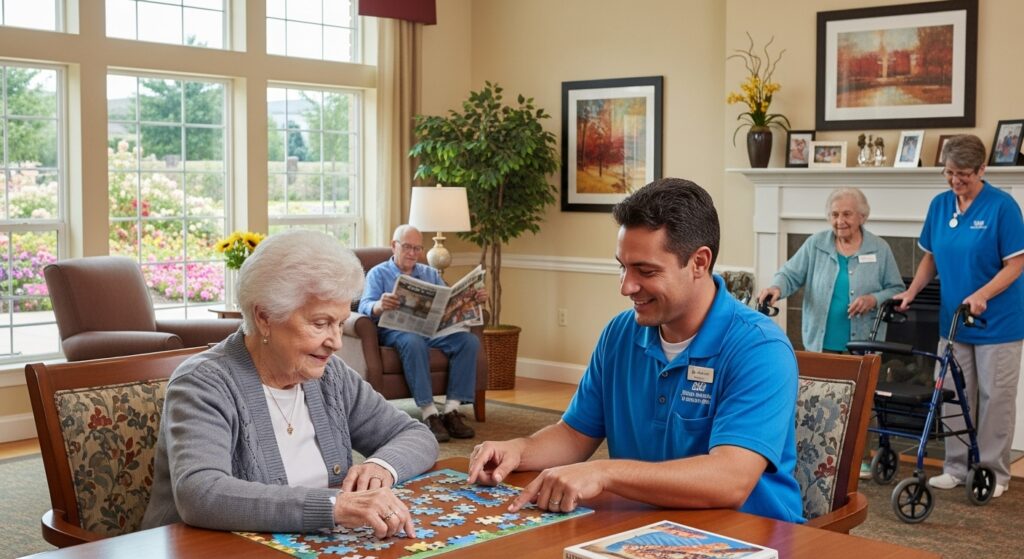
If you’ve noticed several of these signs, it’s time to start exploring your options.
- Have a Family Conversation: Talk with your loved one with empathy and focus on their safety and happiness.
- Research: Look for assisted living communities in your area online and read reviews.
- Tour Communities: Visit your top choices in person. Pay attention to the cleanliness, the friendliness of the staff, and the activities offered.
- Ask Questions: Come with a list of questions about costs, levels of care, and staff training.
- Review the Contract: Understand all the costs and what is included in the monthly fee.
Families Also Ask (FAQ)
What age do most seniors need assisted living?
There is no specific “right” age. The need is based on health and ability, not age. Most residents in assisted living are in their mid-80s, but people can move in much earlier or later depending on their circumstances.
Do people live longer at home or in assisted living?
Studies suggest that seniors in assisted living often have a better quality of life and may even live longer. The combination of good nutrition, social interaction, medication management, and reduced risk of falls contributes to better overall health.
How many falls is too many before moving to assisted living?
Even one fall that causes a serious injury is a major warning sign. If your loved one has had two or more falls in a six-month period, or if they have a “close call” that frightens them, it is definitely time to seriously consider a safer environment.
How long does it take to adjust to assisted living?
The adjustment period is different for everyone, but it typically takes about 30 to 90 days. Most communities have programs to help new residents make friends and get involved in activities, which helps them feel at home faster.
What should I do if my parents refuse assisted living?
This is very common. Be patient and empathetic. Listen to their fears. Instead of a final decision, suggest “just looking” or going for a trial stay. Involve a trusted third party, like their doctor or a clergy member, in the conversation. Focus on the benefits like safety, friendship, and relief from household chores.
Conclusion: A Decision Rooted in Love and Safety
Recognizing these signs is not about giving up on a loved one; it’s about stepping up to ensure their safety, health, and happiness. The journey from independent living to needing extra support is a natural part of life for many seniors. Assisted living isn’t a loss of independence, but a thoughtful choice to embrace a supportive community where your loved one can thrive, free from the worries and dangers of struggling alone at home. This decision, though difficult, is one of the most profound acts of love—prioritizing their well-being for the next chapter of their life.
You Are Not Alone on This Journey
Navigating these decisions can feel overwhelming, but you don’t have to do it by yourself. We are here to help you every step of the way.
Schedule a Free, No-Obligation Care Consultation Today.
Let’s discuss your unique situation, answer your specific questions, and help you find the right path forward for your family. Our compassionate experts are ready to listen and provide the guidance you need.
[Click Here to Schedule Your Free Consultation]
Recommended For You
- [Important Things to Consider When Taking Care of Elderly Family Members] – A guide to navigating the complexities and emotions of family caregiving.
- [Essential Daily Routines for New Caregivers] – Practical tips for establishing a stable and effective caregiving routine at home.
- [Support Groups: Navigating Dementia] – Find community and resources if your loved one is living with dementia.

